








The UK government has unveiled a comprehensive Green Paper, Watch this Space: A new strategic direction for UK media, aimed at safeguarding the future of the nation’s public service media (PSM) in an increasingly digital landscape. Recognizing that platforms like the BBC, ITV, Channel 4, and others are the bedrock of democratic discourse and social cohesion, the government is proposing a total overhaul of media regulation. This move follows stark statistics from Ofcom, which reveal that three-quarters of young people aged 16–24 now rely primarily on social media for news. With algorithms and artificial intelligence further destabilizing the information ecosystem, these reforms seek to prioritize the visibility of trusted, regulated journalism over the unregulated, often inaccurate content that currently dominates digital feeds.
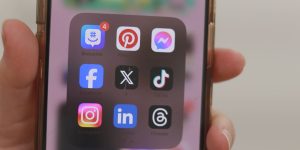
A primary pillar of the new strategy is to mandate that social media companies and video-sharing platforms ensure public service broadcasting content is both prominent and easily discoverable. By requiring platforms to prioritize national and local news publishers in search results and feeds, the government hopes to counter the spread of disinformation during periods of social unrest or crisis. This effort extends beyond just traditional broadcasters; the government is exploring a more flexible regulatory framework that could eventually designate digital-first innovators, such as specific YouTube channels, as official public service providers. Culture Secretary Lisa Nandy emphasized that as media consumption shifts away from traditional television, the state must intervene to ensure that “world-leading” British content remains the preferred choice of the public.
In a landmark victory for sports fans, the government confirmed that it will modernize the “Listed Events” regime to include on-demand and catch-up streaming rights. Historically, regulations only protected the rights to broadcast major events—such as the World Cup, the Olympics, and Wimbledon—via traditional terrestrial television. By bringing digital streaming rights under this umbrella, the government ensures that these national milestones remain free-to-air, preventing them from being locked behind expensive paywalls on private streaming services. This update ensures that as viewing habits transition from the living room television to mobile devices and smart TVs, the democratization of access to significant cultural and sporting moments remains intact.
The Green Paper also addresses the inevitable sunsetting of traditional terrestrial broadcasting. With the public increasingly favoring the convenience of internet-based TV, the government is consulting on two distinct timelines for a managed transition: 2034 or 2044. Officials are clear that any transition must be equitable, centering on a robust support package designed to ensure that no citizen is left behind. This will involve logistical and financial assistance to help households adapt to an all-internet model. This digital transition is seen as a strategic opportunity to bridge the “digital divide,” potentially driving broader adoption of essential online services, such as digital healthcare and financial management, for those currently excluded from the online world.
Industry leaders have largely praised the proposed shift, highlighting the balance between innovation and public interest. Carolyn McCall, CEO of ITV, noted that while viewer habits have shifted radically, the fundamental requirement for trusted, high-quality British news remains a prerequisite for a healthy democracy. Likewise, the Good Things Foundation and the policy think tank Demos have lauded the proposals. They emphasize that while the move to online-only distribution poses significant challenges regarding accessibility and algorithmic bias, it also represents a once-in-a-generation opportunity to foster digital literacy and harden the UK’s democratic resilience against the erosion of truth caused by unchecked digital platforms.
Ultimately, the consultation period for the Green Paper—which runs until 31 August—will determine the long-term trajectory of the UK media sector. By combining stringent discoverability requirements for social media giants with a flexible, technology-forward approach to public service broadcasting, the government aims to create a sustainable future for home-grown content. As the technology underpinning television evolves, the administration’s focus remains clear: sustaining the shared milestones and trusted information environments that keep the nation informed, connected, and cohesive. The final decision on the timeline for digital transition is expected later this year, marking the beginning of a profound transformation in how the British public consumes, discovers, and interacts with media.


