








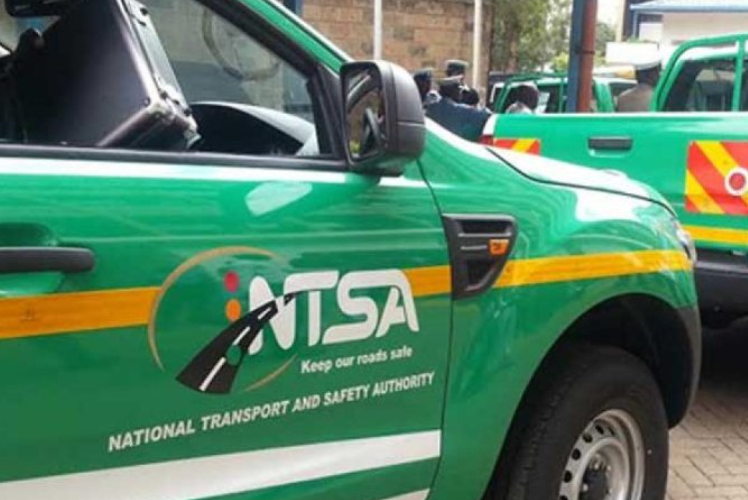
The National Transport and Safety Authority (NTSA) has issued a stern public advisory aimed at curbing the spread of misinformation regarding its operations. In a statement released on Wednesday, July 8, 2026, the authority emphasized the importance of transparency and urged motorists to remain vigilant against deceptive communication circulating through unofficial platforms. By reinforcing the use of authorized channels, the NTSA seeks to protect the public from fraudulent schemes that have recently threatened to undermine the integrity of its regulatory mandate.
Central to this directive is the call for citizens to verify all information through official NTSA resources. The authority explicitly stated that any updates regarding licensing, vehicle registration, and inspections are only valid when published via its verified website, official social media handles—specifically its X account (@ntsa_kenya) and Facebook page—or through physical consultations at Huduma Centres and NTSA regional offices. By centralizing its communication, the agency aims to ensure that road users receive accurate, timely, and legally binding information.
In addition to combating misinformation, the NTSA has reasserted its zero-tolerance policy toward corruption. The agency underscored that all its services are streamlined through the government’s eCitizen platform, which is designed to eliminate the need for third-party intermediaries. The NTSA warned that any attempts to solicit or offer bribes to facilitate service delivery are illegal, urging the public to resist such practices and report any unethical behavior directly to the Ethics and Anti-Corruption Commission (EACC) or the agency’s integrity desk.
The timely warning follows increased public scrutiny and debate surrounding the newly implemented motor vehicle inspection protocols, which officially commenced on July 1, 2026. Under the guidance of Director General Nashon Kondiwa, these inspections are mandated by the Traffic Act and the newly enacted Traffic (Motor Vehicle Inspection) Rules of 2026. The inspections currently prioritize school transport and commercial service vehicles, serving as a critical component of the government’s broader strategy to enhance road safety standards across the country.
Legislatively, the NTSA pointed to Section 55 of the Traffic Act, which requires vehicles older than four years from their date of manufacture to undergo mandatory annual inspections. While these regulations have sparked significant public discourse, the authority clarified that the enforcement of these inspections for private motor vehicles will be communicated at a later date. This strategic, phased approach is intended to ensure that the transition to the 2026 regulatory framework remains orderly and compliant with established legal statutes.
Ultimately, the NTSA’s recent communication signals a broader effort to modernize its operations while safeguarding public trust. By encouraging citizens to engage exclusively through secure portals and report corruption, the authority aims to create a more efficient, citizen-centered environment. As the nation adjusts to the new inspection mandates, the agency maintains that its commitment to simplicity and accountability is paramount in fostering a safer, more reliable transport ecosystem for all Kenyans.


