









In a significant move to fortify the nation’s information landscape, the Lithuanian government has announced an allocation of EUR 555,000 to be funneled through the Media Support Fund (MRF). This investment serves as the cornerstone for the newly launched Public Resilience Programme, an initiative specifically designed to address the evolving complexities of modern warfare and the critical role of information integrity. By directing these resources toward high-quality journalism, the state aims to bolster the domestic media sector’s capacity to report on sensitive national security matters with accuracy and depth.
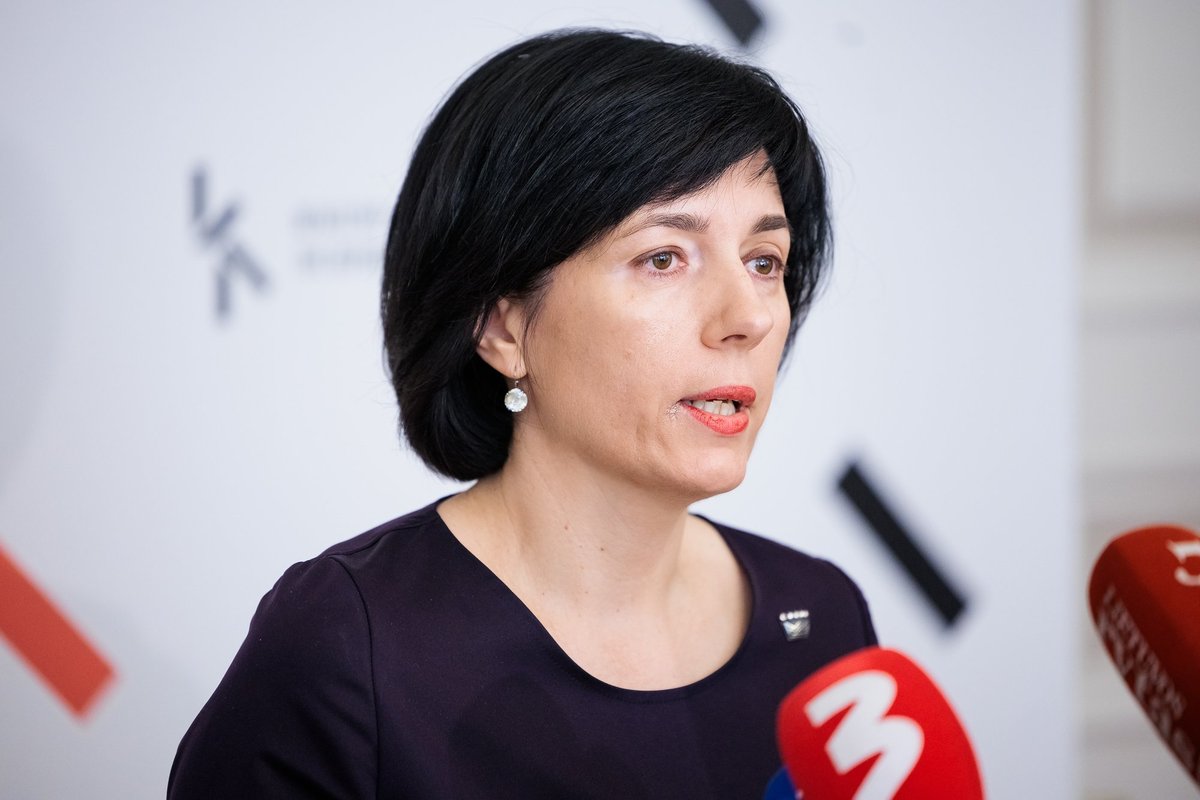
Minister of Culture Vaida Aleknavičienė has been a vocal proponent of the initiative, framing the investment as a strategic necessity rather than a mere budgetary adjustment. According to the Minister, information security has transcended its traditional boundaries to become an inextricable component of comprehensive national security. In an era defined by rapid digital information dissemination, the Minister emphasizes that the primary objective is to cultivate a more discerning public, capable of recognizing emerging threats and maintaining resilience against the systemic spread of disinformation.
The Public Resilience Programme is the result of a collaborative framework established between the Ministry of Culture, the Ministry of National Defence, and the Media Support Fund. By leveraging this inter-ministerial synergy, the government hopes to create new avenues for media outlets to produce rigorous, fact-based content. The scope of this initiative is broad, reaching across national, regional, and ethnic minority platforms, as well as expatriate media, ensuring that the message of “total defense” and security awareness permeates every level of Lithuanian society.
This latest financial infusion effectively restores the MRF’s funding levels to where they stood prior to last year’s austerity measures. The previous administration had faced difficult fiscal decisions, resulting in a reduction of the MRF’s annual budget by EUR 555,000, ultimately bringing the total allocation to EUR 9.9 million in the December 2025 budget. By reversing this specific portion of the cut, the government is signaling a shift in priorities, acknowledging that the financial health of the media sector is vital to maintaining a stable and informed democratic environment.
The restoration of these funds follows a period of intense scrutiny and pushback from the media industry. When the initial cuts were proposed and implemented, they met with immediate opposition from three major media associations. These organizations argued that reducing support for journalism directly undermined the Government’s own stated, long-term goals. They contended that such fiscal contraction weakened the very institutions meant to support regional identities and cultural reporting, while simultaneously stifling the plurality of opinions that is essential for a robust civic society.
Ultimately, the launch of the Public Resilience Programme serves as a tangible response to these criticisms, bridging the gap between national security strategy and the practical needs of media practitioners. By embedding defense-related thematic coverage into the core mandate of the MRF, officials hope to ensure that the public remains well-equipped to face the challenges of a volatile geopolitical climate. Through this restored investment, the government aims to rebuild trust with media stakeholders while solidifying the infrastructure required to defend the public sphere against multifaceted modern threats.


