







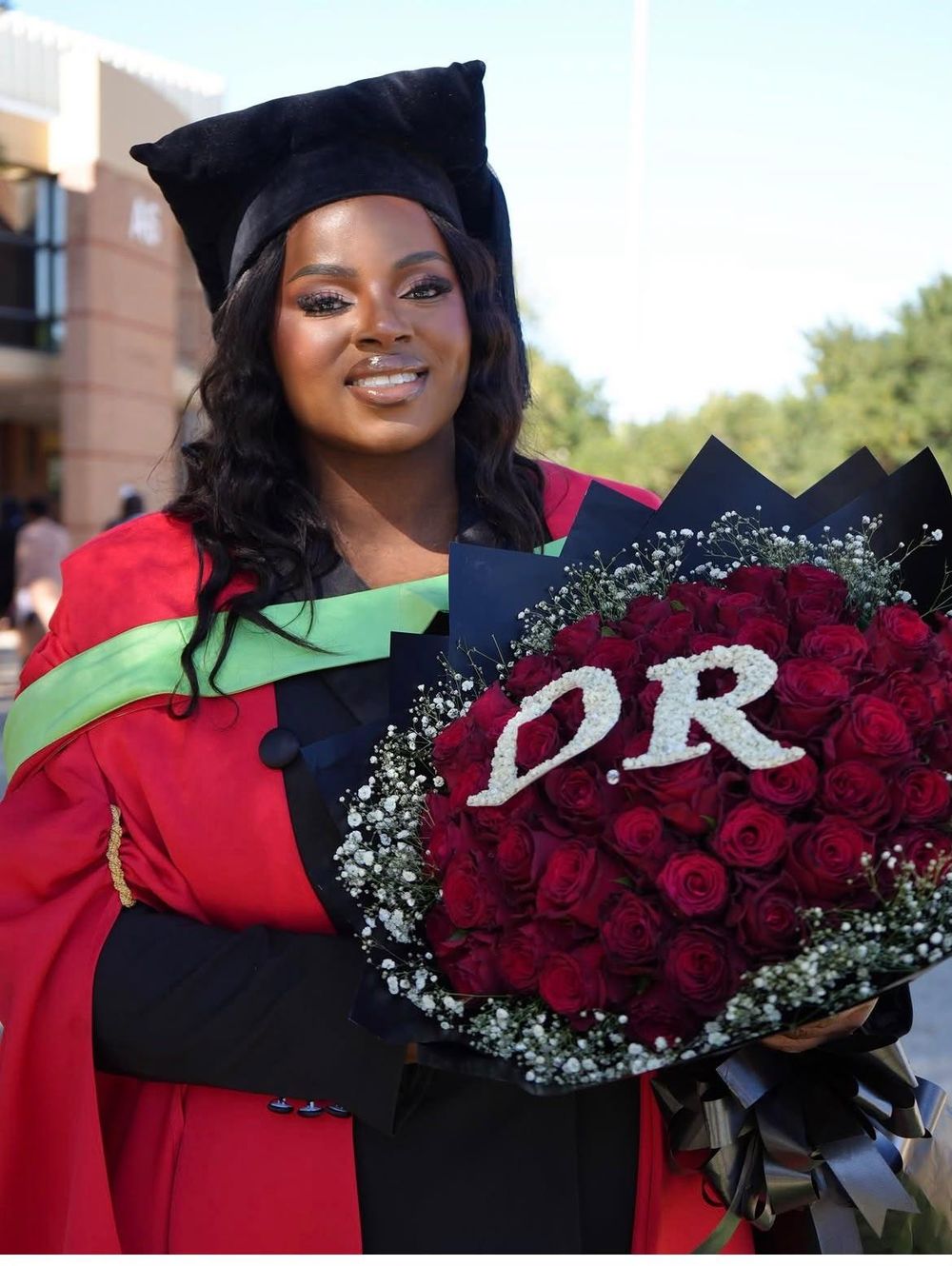
In a significant leap forward for digital equity, North-West University PhD graduate Dr. Seani Rananga has developed pioneering artificial intelligence (AI) tools designed to identify and flag misinformation in South African indigenous languages. Her research, which has earned her the prestigious Google PhD Fellowship and international recognition, addresses a critical gap in the global tech landscape: the systematic underrepresentation of African languages. By using Covid-19 misinformation as a pilot study, Dr. Rananga demonstrated that multilingual AI models can effectively bridge the digital divide for speakers of IsiZulu and Sepedi, ensuring that these communities are no longer left vulnerable to the spread of online falsehoods merely due to their primary language.
The core of Dr. Rananga’s methodology involves a hybrid approach to overcoming the scarcity of high-quality data in non-English tongues. Because labelled misinformation datasets for African languages are historically limited, she successfully combined machine translation, synthetic data generation, and rigorous human validation to build robust training resources. Her findings underscore a pivotal shift in the field: true AI progress for Africa depends as much on the painstaking curation of high-quality linguistic resources as it does on the sophistication of the underlying algorithms. By involving native speakers in the validation process, she ensured that the nuances of language were captured, though she acknowledges that preserving cultural context remains an ongoing, collaborative challenge.
Looking ahead, Dr. Rananga envisions her research evolving from a prototype into a comprehensive, multifunctional fact-checking platform. She plans to scale this framework to support journalists, government agencies, and the general public during high-stakes events like elections or public health crises. This ambition includes evolving the AI to handle the unique complexities of South African communication, such as code-switching, the use of slang, and the integration of regional dialects. She intends to train future models on real-world social media interactions, ensuring the system reflects the fluid, multi-lingual way that South Africans naturally communicate.
One of the most persistent hurdles in this field, as identified in her research, is the AI’s ability to decode the “human” layers of communication—specifically sarcasm, irony, and culturally-localized humor. Dr. Rananga notes that identifying misinformation requires looking beyond the literal meaning of words to interpret intent and context. Consequently, her upcoming research agenda shifts toward incorporating “multimodal” information, such as analyzing images and videos alongside text, and developing “explainable AI” to make the decision-making processes of these tools more transparent and trustworthy for the average user.
The scholarly community has lauded the project for its potential to globalize African languages and uphold the constitutional rights of South Africans to access information in their mother tongues. Professor Sihawu Ngubane, a cultural expert from the University of KwaZulu-Natal, praised the research for its alignment with national language policies, noting that the inclusion of indigenous languages in the digital sphere strengthens their cultural legitimacy. He has issued a call for language practitioners nationwide to support the project, emphasizing that the authenticity of AI-driven information depends on the active collaboration of those who deeply understand the local cultural and linguistic landscape.
Dr. Rananga remains committed to an open-science philosophy, aiming to make her models, benchmarks, and code accessible to other researchers to accelerate innovation across the continent. By winning the Best Poster Award at the 2025 Deep Learning IndabaX South Africa, she secured funding to showcase her work at the 2026 Deep Learning Indaba in Nigeria, further expanding her international reach. Ultimately, her work stands as a testament to the fact that artificial intelligence can—and should—reflect the diversity of the world, ensuring that no community is left behind in the rapidly evolving digital future.



