



The Asymmetric Fight: How Europe is Redefining the War on Disinformation
Democracies currently face a structural paradox in the fight against disinformation: the very values that define a free society—political pluralism, freedom of expression, and strict limits on state power—serve as significant obstacles when countering information manipulation. Unlike authoritarian regimes, which can easily silence dissent or control state media, democratic governments are tethered to three rigid constraints: legality, legitimacy, and speed. Because democratic institutions must operate within the rule of law and maintain public trust, they are inherently slower to react than bad actors who treat information as a weaponized, borderless battlefield.
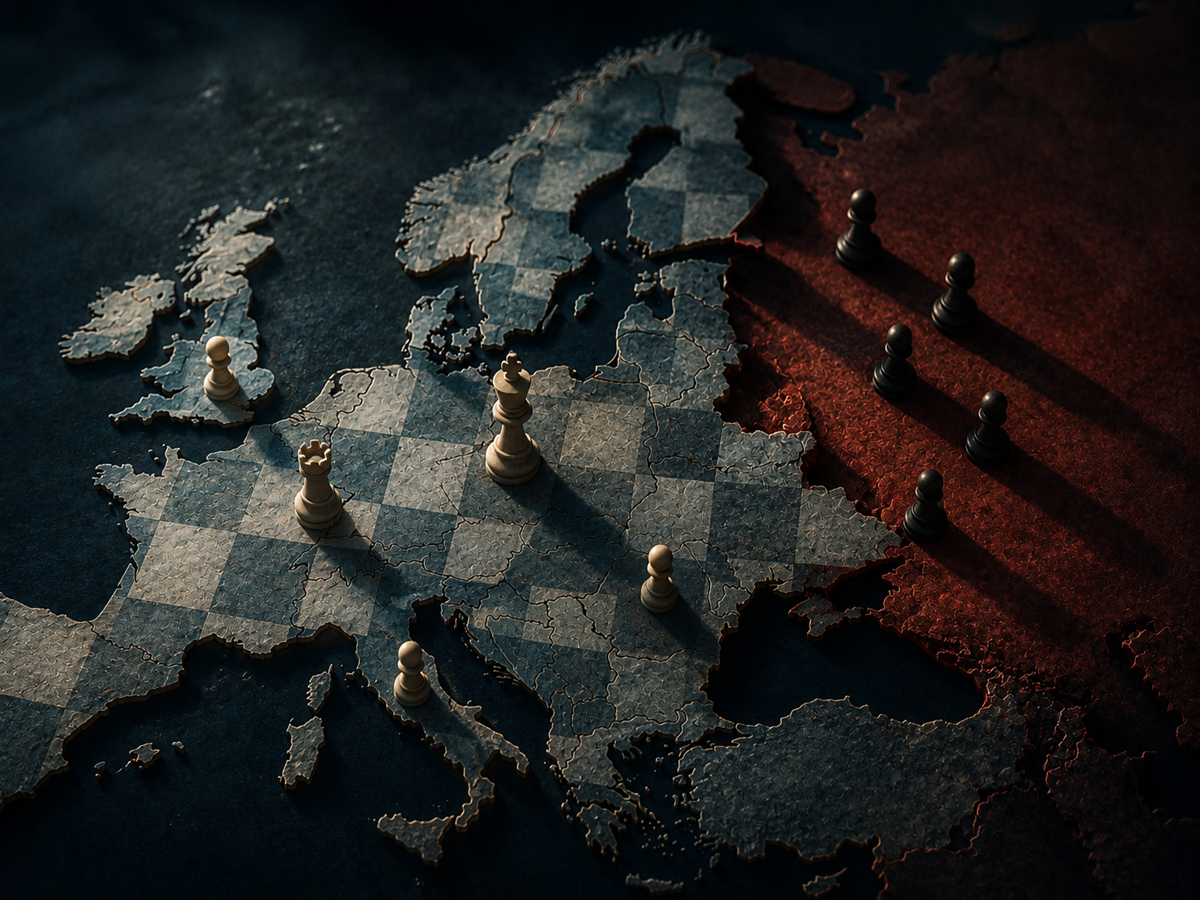
The European Union has become the global laboratory for testing how to bridge this gap, fundamentally shifting its perspective from viewing disinformation as simple misinformation to treating it as a profound security threat. This evolution is largely a response to Russia’s “hybrid” tactics, where digital information campaigns are synchronized with military, economic, and cyber operations. With over 13,000 cases of pro-Kremlin disinformation documented by the EU since 2015, European leaders have recognized that these narratives are not just isolated lies; they are strategic maneuvers intended to erode public trust and destabilize the democratic foundations of the continent.
To remain compliant with democratic principles, the EU has focused its legal response on “platform accountability” rather than the direct censorship of content. The Digital Services Act (DSA) stands as the landmark architecture of this strategy, compelling large platforms to be transparent about their algorithms and systems. By regulating the incentives that allow harmful content to spread—rather than policing individual posts—the EU avoids the authoritarian trap of state-controlled discourse. When Romanian officials investigated TikTok, they utilized the DSA to force data disclosure, illustrating how institutional oversight can address digital interference without resorting to blatant government overreach.
However, legal authority is only half the battle; the government must also maintain legitimacy. Because the EU now frames disinformation as an existential, anti-democratic threat, it has managed to build broad support for stronger countermeasures. This framing of “Foreign Information Manipulation and Interference” (FIMI) allows policymakers to justify their involvement in the digital sphere as a necessary defense of democracy. Yet, this approach remains a high-wire act, as every state-led intervention carries the risk of being perceived as a tool for political influence, forcing leaders to constantly balance the need for security against the necessity of defending the very freedoms they seek to protect.
Addressing the constraint of speed, the EU has come to the realization that it cannot permanently outrun the rapid evolution of information threats. In response, many European nations have prioritized “whole-of-society” resilience, moving away from reactive debunks toward long-term cultural preparedness. From Finland’s pervasive youth media literacy programs to Sweden’s revitalization of cold-war era psychological defense and Lithuania’s volunteer “Elves,” the focus is on creating a public inoculated against manipulation before a crisis occurs. These efforts treat societal awareness as a form of critical infrastructure, reducing the burden on governments to intervene during the heat of an active influence campaign.
Ultimately, the European model suggests that the struggle against disinformation is not a technological or legislative puzzle to be “solved,” but an ongoing, delicate management of democratic health. By prioritizing the transparency of platform architectures, framing the threat as a challenge to governance, and front-loading resilience through public education, the EU is carving out a middle path. While no single policy is a panacea, the bloc’s approach confirms that the solution to information warfare will not be found in control or speed, but in the enduring strength of the democratic systems themselves.