








In the specialized laboratories of the Kenya Medical Research Institute (KEMRI), scientists like microbiologist Joanne Hassan work tirelessly to secure public health against infectious diseases. However, Hassan discovered that the most volatile challenges to her work were not found in test tubes, but in the digital corridors of Facebook parenting groups. What began as a personal mission to debunk vaccine myths among her peers has evolved into a critical government-led initiative known as the “Incidents and Rumours Team.” This network, nested within the Ministry of Health, represents a strategic evolution in how Kenya protects its immunization programs from the corrosive influence of misinformation.
The team’s origins date back to the early 2010s, when a surge of polio outbreaks in neighboring nations necessitated a high frequency of vaccination campaigns in vulnerable Kenyan counties. The sheer volume of these mandates created “campaign fatigue” among parents, leaving a vacuum where suspicion and fear could flourish. Recognizing that vaccine hesitancy is a public health crisis that directly threatens immunization outcomes, officials transformed a loose group of scientists into a formal, coordinated unit tasked with social listening and rumor management. This system ensures that myths are not just countered, but actively dismantled before they can paralyze vaccination efforts.
The complexity of the team’s task became starkly evident during the rollout of the HPV vaccine for adolescent girls. Unlike routine infant immunizations, which generally enjoy high trust, adolescent health programs became ground zero for misinformation regarding reproductive health. Christine Miano, the Ministry’s social behavior change lead, notes that the COVID-19 pandemic served as a pivotal “infodemic” moment, revealing that many parents do not inherently oppose vaccines but are instead fueling potential rejection due to significant information gaps. The realization that digital misinformation travels faster than facts forced the team to prioritize transparency, speed, and proactive community engagement.
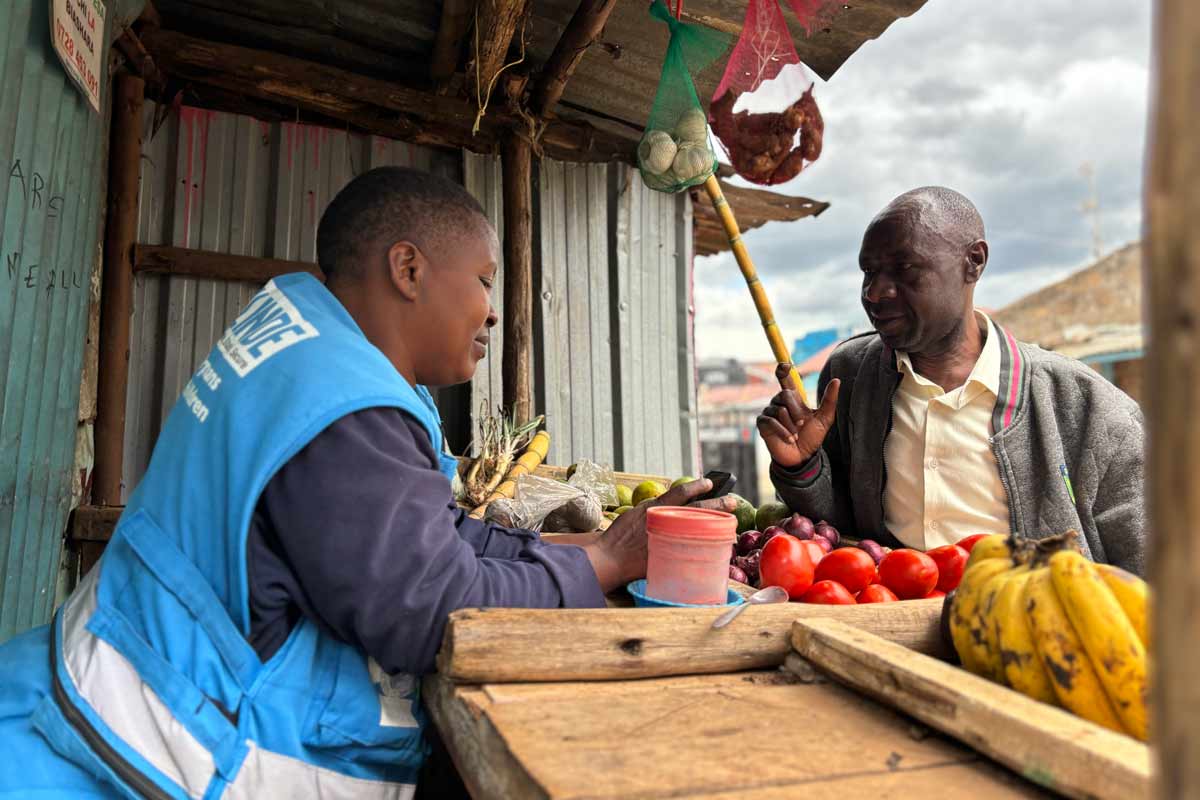
The operational architecture of the Incidents and Rumours team is built on a multi-tiered approach that connects high-level researchers with grassroots Community Health Promoters (CHPs). Using digital tools like the electronic Community Health Information System (eCHIS) and mobile reporting apps, these promoters monitor local sentiment in real-time. By bridging the gap between scientific evidence and community concerns, the team creates a feedback loop: scientists provide the empirical data, while influencers and faith leaders translate that information into terms that resonate with hesitant populations. This localized approach has proved essential in converting skeptics who, previously overwhelmed by social media horror stories, had avoided essential healthcare.
The Ministry’s strategy now involves a sophisticated mix of traditional and digital interventions, including X Spaces with the Director General of Health, targeted social media content, and the employment of local influencers across all 47 counties. This “all-hands-on-deck” philosophy acknowledges that if health authorities do not fill the information gap, malicious or simply uninformed actors will. By institutionalizing this dialogue, the team has successfully shifted the narrative from top-down directives to interactive, transparent public communication, proving that addressing a parent’s anxious question is as vital to public health as the vaccine itself.
Looking toward the future, the team faces its next major hurdle: the rise of AI-generated misinformation and deepfakes. While current legal frameworks, such as the 2025 Computer Misuse and Cybercrime Amendment, recognize AI as a threat, they lack the specific regulatory teeth to fully curb its misuse in public health discourse. The Ministry—in partnership with global health organizations—is now working to develop new policies to protect the integrity of information in an AI-driven era. Despite these evolving threats, the team remains committed to the goal of a future where preventable diseases like polio are eradicated, ensuring that scientific progress is protected by the strength of public trust.


