


PEORIA, United States (MNTV) – The Peoria Unified School District is currently embroiled in a significant controversy as governing board member Janelle Bowles faces intense scrutiny over a series of social media posts. The content, which has recently surfaced online, includes inflammatory claims regarding sexual abuse in schools that stand in stark contrast to federal data, alongside rhetoric that experts and community members have condemned as overtly anti-Muslim. Because Bowles also serves as the director of alternative education programs within the Maricopa County Regional School District, her professional conduct is being weighed against the high standards expected of an educational leader.
The specific focus of the criticism centers on a post shared by Bowles alleging that 5.7 million children are sexually violated in public schools annually. This figure has been roundly debunked by experts who point to the U.S. Department of Education’s Office for Civil Rights data. According to the most recent federal reports from the 2017-18 academic year, the total number of documented sexual violence cases in K-12 schools was 13,799. By circulating figures that diverge so dramatically from official statistics, Bowles has sparked a debate over the role of educational officials in disseminating unverified information that could cause widespread public alarm.
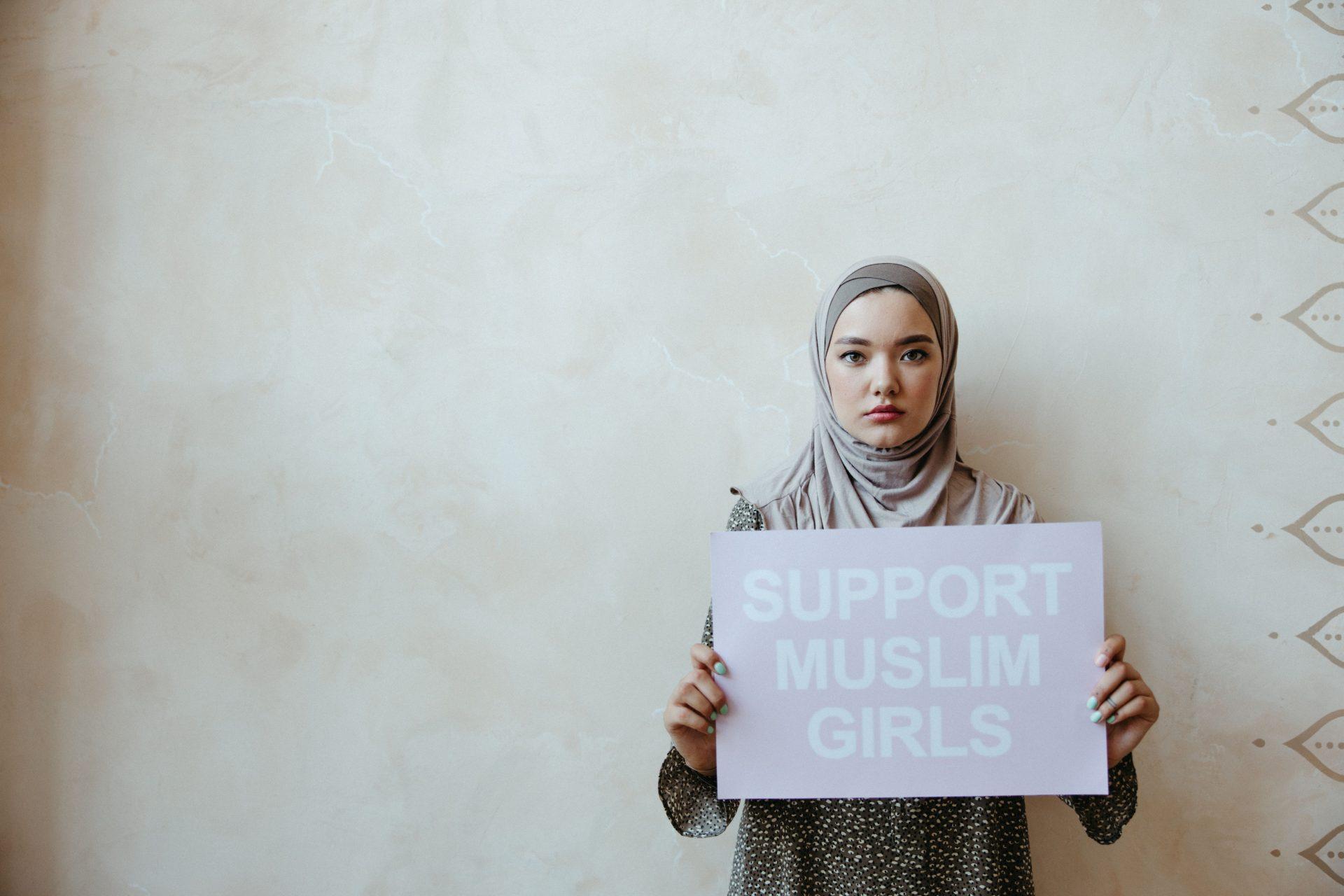
Beyond the statistical controversy, the American Civil Liberties Union has highlighted these posts as part of a troubling national trend. Experts noted that such rhetoric is contributing to a documented surge in anti-Muslim sentiment, which has manifested in increased hostility toward religious institutions and the normalization of discriminatory language in political and professional spheres. In a district as diverse as Peoria, the public fear is that this rhetoric creates a hostile environment that undermines the educational mission of fostering inclusivity and mutual respect among students of all backgrounds.
The outcry reached a fever pitch at a recent governing board meeting, where a unified front of parents, students, and community organizers demanded that Bowles step down from her position and issue a formal apology. During the testimony, speakers argued that those entrusted with governing educational systems carry an ethical obligation to avoid language that breeds fear or division. One former district student provided harrowing testimony, detailing their own experiences with Islamophobia and arguing that the normalization of such viewpoints by leadership directly erodes the sense of safety that public schools are mandated to provide.
In the face of these calls for resignation, Bowles has offered a measured, though contentious, defense. She stood by the claim regarding sexual abuse statistics, though she notably steered clear of addressing the specific allegations of anti-Muslim bias. While she expressed a willingness to engage in private dialogue with concerned constituents, her response has done little to quell the dissatisfaction of the community. In a nod to her colleagues, she acknowledged having mutual respect for Board President Jeff Tobey, despite admitting they held differing religious perspectives, a comment that critics argue fails to address the gravity of the systemic concerns raised.
Ultimately, the situation in Peoria has transcended local school board politics to become a flashpoint in a larger national discourse. The incident forces a difficult conversation about the intersection of social media usage, the spread of misinformation, and the professional responsibilities of elected officials. As the district attempts to move forward, the case remains a litmus test for how school boards navigate the tensions between personal expression and the duty to maintain a neutral, welcoming environment for a diverse student population.