


State Representative Tricia Byrnes, a Republican from St. Charles County, is spearheading a legislative push to overhaul how data center projects are managed in Missouri. Alarmed by the lack of transparency surrounding massive, multi-billion-dollar investments by companies like Amazon and Google in Montgomery County, Byrnes has scheduled a public hearing at the State Capitol for September 16. The goal is to gather input and lay the groundwork for potential legislation that could be formally introduced when the General Assembly reconvenes in January.
The primary focus of Byrnes’ initiative is to dismantle the culture of secrecy that currently shrouds these development deals. Local residents, including Montgomery County farmer Harry Cope, have characterized the current process as opaque, likening the flow of information to “looking through muddy water.” Byrnes is advocating for an end to the use of non-disclosure agreements (NDAs) in these projects, arguing that the negotiations should be conducted in the public eye rather than behind closed doors.
Beyond the push for transparency, Byrnes is seeking to establish concrete statewide standards to mitigate the environmental and community impact of these facilities. She proposes the implementation of specific noise regulations and formalized water permitting requirements to ensure that data centers do not overburden local infrastructure or degrade the quality of life for neighboring residents. Her approach is not intended to be a blanket moratorium on growth, but rather a framework for responsible, regulated development.
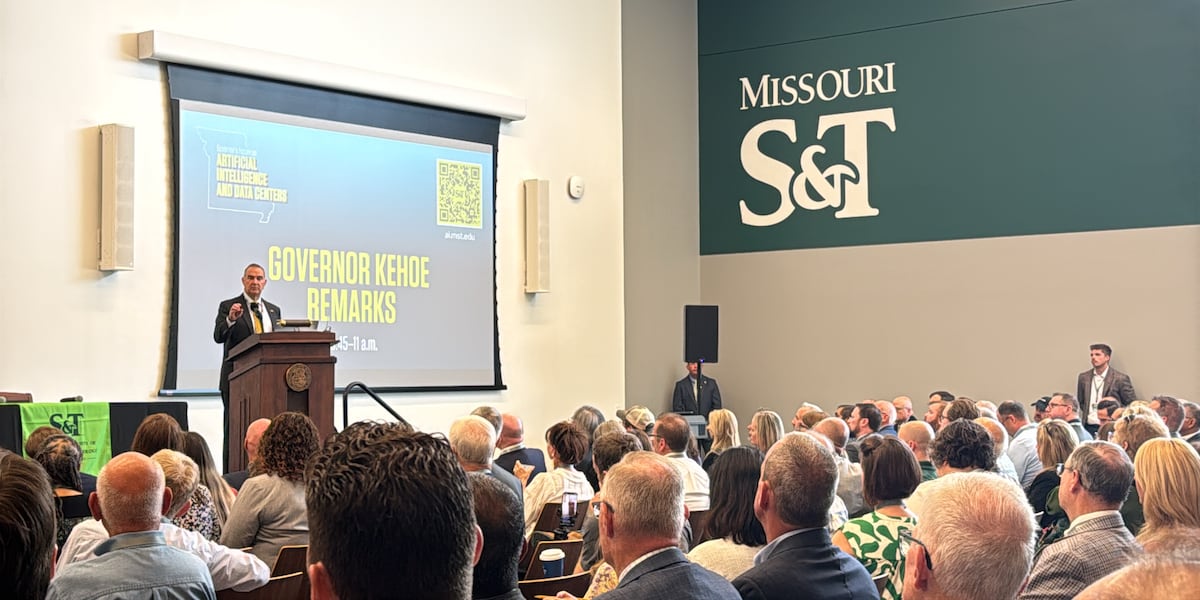
The initiative has sparked a debate within the state’s political leadership regarding the balance between economic development and community oversight. Governor Mike Kehoe has maintained his support for the projects, framing data centers as a vital engine for Missouri’s economy, high-paying jobs, and technological advancement. However, Byrnes has pushed back against comments from the governor’s office that suggested opposition to these projects might be fueled by foreign misinformation, stating that her concerns—and those of her constituents—are rooted in genuine local interest rather than outside influence.
The landscape of the debate also features input from Democratic leadership, with House Minority Leader Ashley Aune acknowledging the political opening the situation provides. Aune emphasized that while specific regulatory proposals have yet to be finalized, there is a clear mandate from voters that legislators must listen to community concerns. She suggested that the state has a significant opportunity to establish a bipartisan consensus on how to handle major industrial developments in a way that respects the voices of Missouri citizens.
Ultimately, the September 16 hearing marks the beginning of a larger battle over the future of Missouri’s industrial policy. While the industry promises modernization, Representative Byrnes and her supporters are demanding that such progress not come at the expense of local transparency. As the state waits until January for legislative action, the public hearing will likely serve as a crucial barometer for how the General Assembly handles the competing interests of global tech giants and Missouri’s local communities.