








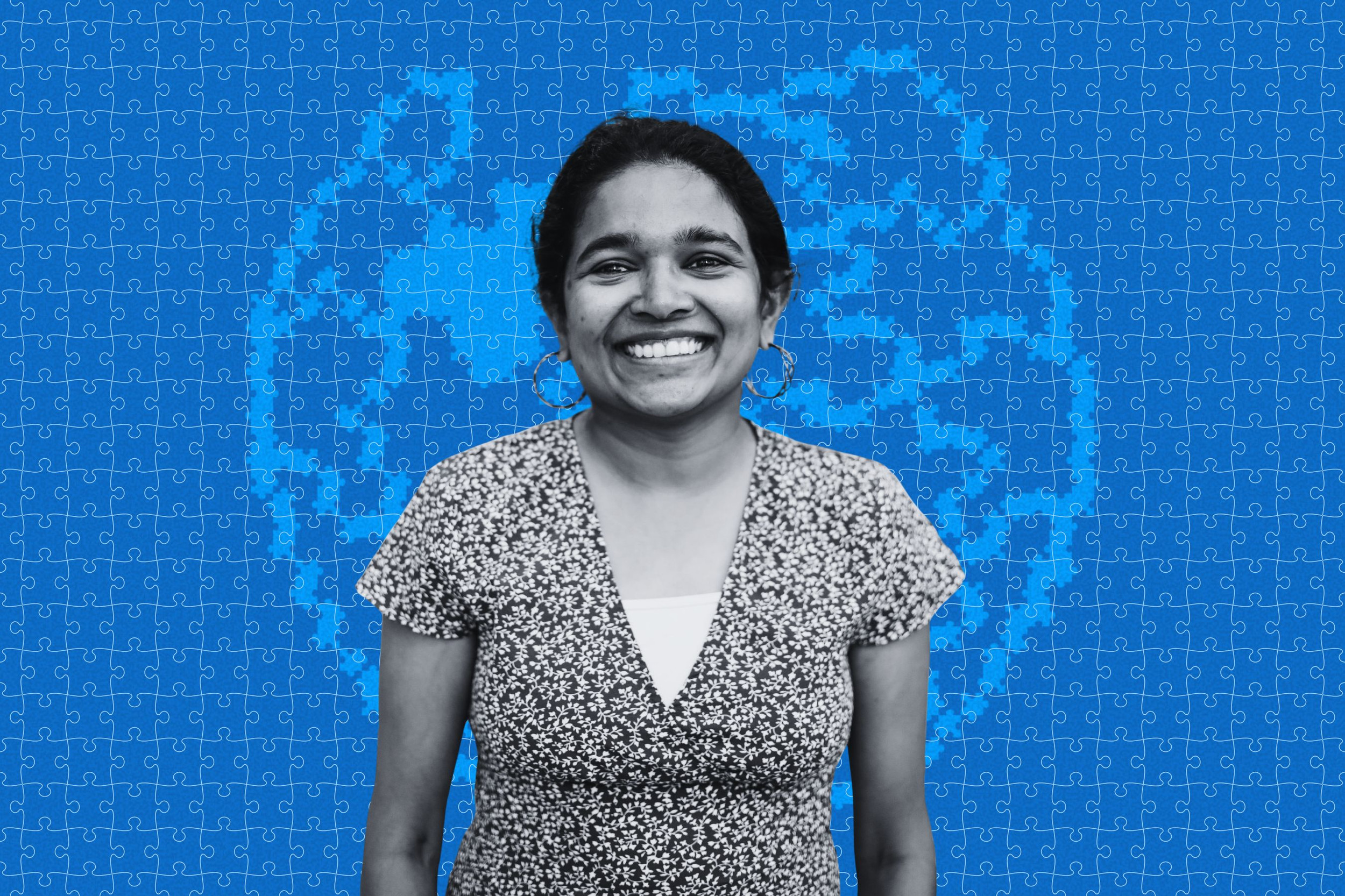
Dr. Netha Hussain, a Swedish-based medical doctor and long-time Wikipedia volunteer, has spent over a decade acting as a pivotal line of defense against public health disinformation. Beginning her volunteer work as a medical student in Kerala, India, Hussain has gained international recognition, including a 2020 Women in Open Source Award and a United Nations acknowledgement. Her work centers on the rigorous, evidence-based curation of medical articles, a process she credits with deepening her own understanding of clinical literature. Through her efforts during the COVID-19 pandemic, she created the “List of Unproven Methods Against COVID-19,” a project that gained global reach by being translated into 18 languages to combat dangerous health myths.
Hussain’s work highlights the complex cultural nuances involved in managing public health information. While English-language Wikipedia serves a global audience and requires broad, neutral perspectives, her work in the Malayalam language focuses on regional health concerns and the specific cultural context of Southern India. She notes that medical skepticism varies significantly by region: whereas Western populations may show a growing distrust of institutional healthcare, populations in India often gravitate toward, and sometimes favor, alternative systems like Ayurveda. By navigating these diverse landscapes, Hussain emphasizes that combating misinformation requires a tailored approach that addresses both the local anxieties and global scientific consensus.
The landscape of misinformation has evolved dramatically over the last five years, shifting from visible social media rumors to opaque, closed-loop communications in encrypted messaging groups. Hussain identifies platforms like WhatsApp and Telegram as major drivers of this shift, as their encrypted, private nature makes it nearly impossible for educators or researchers to track and debunk disinformation in real-time. She believes the speed and reach of these echo chambers allow falsehoods to flourish unchecked, often forcing volunteers to play a constant game of catch-up. Her focus remains on ensuring that Wikipedia’s reliance on verifiable, peer-reviewed references remains the gold standard in an era where misinformation is increasingly embedded in decentralized networks.
Hussain expresses significant concern regarding the intersection of political power and public health, noting that the political discourse surrounding institutions like the U.S. Centers for Disease Control and Prevention (CDC) has severely compromised public trust. She contends that when leaders—such as the U.S. President—use their massive platforms to promote unverified theories, they create a ripple effect that destabilizes global health institutions like the World Health Organization. This politicization, compounded by the U.S. government’s reduced funding of international health agencies, has created a vacuum of credible information that is often filled by private blogs and conspiracy-oriented content creators.
Looking toward the future, Hussain warns of the risks posed by the consolidation of media ownership and the rapid development of generative AI. She points out that as influential figures acquire both major news outlets and large language models (LLMs), the risk of systemic, automated propaganda becomes a critical threat to democratic access to truth. Despite this, she highlights Wikipedia as a vital, neutral bulwark. Because many AI models are trained on Wikipedia’s open, volunteer-vetted content, the platform’s commitment to evidence-based, verifiable data serves as a necessary anchor for both human researchers and artificial intelligence systems.
Ultimately, Dr. Hussain’s work serves as a reminder of the quiet, decentralized power of internet volunteerism. While platforms like YouTube or TikTok emphasize the individual creator, Wikipedia relies on the collective effort of millions of anonymous volunteers who work without pay to provide accurate, science-based information to the public. Her career reflects the ongoing struggle between misinformation actors and a global community dedicated to accuracy. As she continues her work, Hussain maintains that the key to healing public health divides lies in restoring institutional reliability and ensuring that high-quality, evidence-based science remains free and accessible to everyone, regardless of their political or geographic background.


