





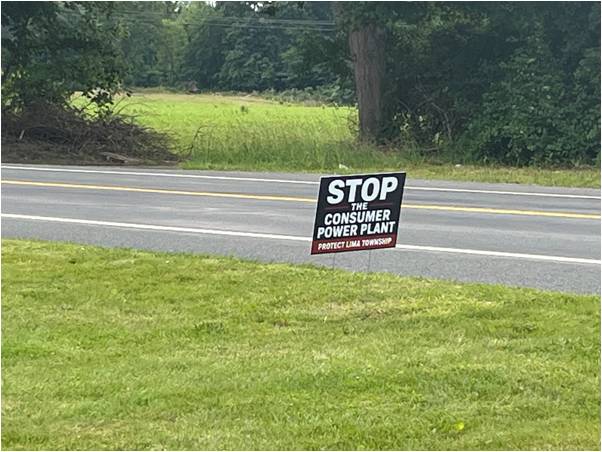
In a significant development for the community of Lima Township, Consumers Energy officially announced on July 1 that it is abandoning plans to construct a proposed natural gas power plant in the area. The decision, which marks a definitive end to months of intense local speculation and opposition, was confirmed by Katie Carey, the Director of Media Relations for CMS Energy and Consumers Energy. By choosing to release the land options back to the original property owners and withdrawing its application to interconnect with the electrical grid, the utility company has effectively pivoted away from a project that became a focal point of township-wide controversy.
The withdrawal comes alongside a formal admission from the utility company regarding its handling of the project’s development. In her statement, Carey acknowledged that communication with the residents of Lima Township was inadequate and failed to address the significant concerns raised by the public throughout the planning process. Expressing regret for these shortcomings, the company confirmed that it would instead utilize its forthcoming Integrated Resource Plan, scheduled for filing in the third quarter of this year, to outline its future strategy for balancing energy demand with a transition toward cleaner, more sustainable energy resources across Michigan.
Beyond addressing the cancellation, the company used the announcement to clarify several points of public misunderstanding that have circulated throughout the debate. Most notably, the utility sought to decouple its project from the neighboring data center located in Saline Township. Consumers Energy clarified that the project was never intended to serve DTE Energy’s customers or operations, emphasizing that the proposed Lima plant was an independent effort to meet their own service mandate. By firmly separating these projects, the company aimed to dispel local rumors suggesting the plant was being fast-tracked to support industrial growth outside of their direct jurisdiction.
Environmental concerns regarding air quality were also a primary subject of the company’s update. Responding to worries about particulate matter, the utility highlighted a 90% reduction in such emissions since 2005, positioning natural gas as a necessary bridge to maintain grid reliability and affordability during the move toward renewable energy. To put the potential facility’s output into perspective, the statement argued that the projected emissions would have been lower than those generated by common, everyday activities—such as the operation of lawn equipment, standard farming practices, or driving through traffic.
The company further addressed ethical challenges directed at its internal processes, specifically regarding the property acquisition scandal involving Brian Hartmann. While critics had questioned the legality and ethics of land sales around the proposed site, Consumers Energy firmly stated that Hartmann is an employee of NorthStar Clean Energy Services—a separate entity under the CMS Energy umbrella—rather than Consumers Energy itself. The utility asserted that strict regulatory firewalls prevent the exchange of sensitive information between the two organizations, maintaining that Hartmann had no prior knowledge of the land purchase or the power plant project.
As the chapter closes on the Lima Township project, the focus now turns to how Consumers Energy will reconcile its stated environmental goals with the practical realities of Michigan’s energy grid. By apologizing for its lack of transparency and providing granular detail on its operational structure, the company is clearly attempting to repair its damaged relationship with the public. Moving forward, stakeholders will be carefully monitoring the upcoming Integrated Resource Plan to see how the utility maneuvers to balance its long-term commitment to cleaner power with the inevitable, ongoing demand for reliable electricity throughout the state.