








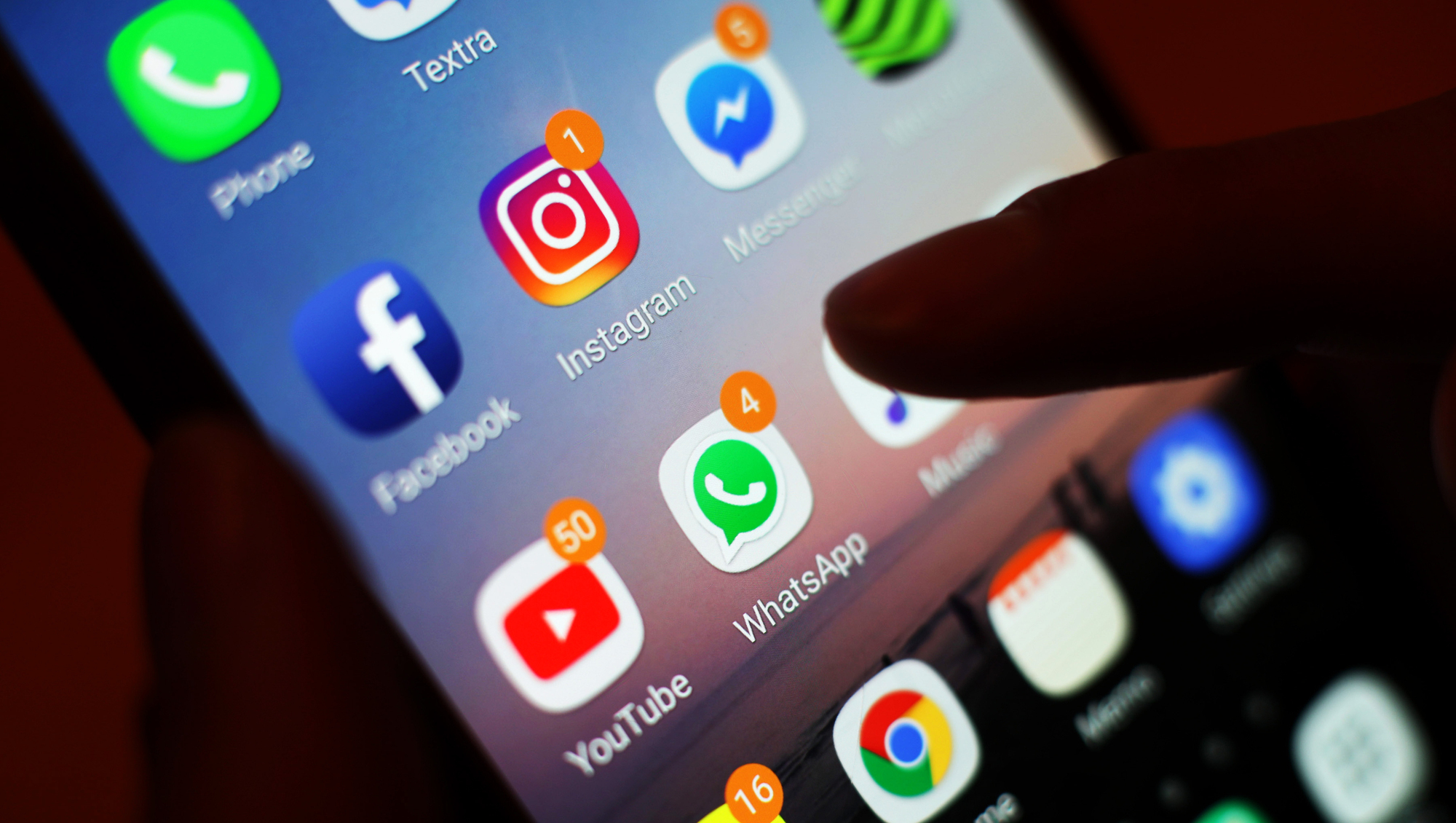
Australian Prime Minister Anthony Albanese has pledged to “bullet-proof” the nation’s controversial social media ban for children under 16, signaling a major escalation in the government’s battle against technology giants. Six months into the experimental legislation—which prohibits platforms like Instagram and YouTube from hosting under-16 accounts—the government is doubling down on its enforcement strategy. Despite initial claims of progress, persistent evidence suggests that the ban has had minimal impact on youth engagement, prompting the Prime Minister to vow that future legislative adjustments will be designed to withstand rigorous potential legal challenges from tech companies.
The Australian experiment is currently under a global spotlight, serving as a primary case study for other nations grappling with the mental and physical health risks social media poses to youth. Countries such as Ireland are closely monitoring the Australian model as they plan their own verification frameworks, while Britain has recently announced even more expansive restrictions that aim to incorporate gaming and live-streaming platforms. Because Australia is viewed as a pioneer in digital regulation, the government’s struggle to bridge the gap between policy intent and practical application provides both a warning and a template for international policymakers.
At the core of the government’s upcoming strategy is a “stress-test” of current regulations, specifically aiming to empower the eSafety Commissioner to more aggressively enforce compliance. While the Prime Minister has been tight-lipped regarding the exact details of these legislative tweaks, the message is clear: the government intends to equip its regulators with the necessary legal teeth to hold industry leaders accountable. Communications Minister Anika Wells and the eSafety office are reportedly already preparing legal action against five major platforms, potentially seeking fines of up to A$49.5 million per violation if companies are found to have systemically failed to protect minors.
The effectiveness of these laws faces significant scrutiny, as recent studies paint a stark picture of widespread non-compliance. A study published in the British Medical Journal this week revealed that 85% of Australians aged 12 to 15 remained active on social media three months after the ban’s implementation. The data indicates that current age-assurance mechanisms—such as selfie-based verification or self-declaration—are easily and frequently bypassed by minors. The findings suggest that many children are never even prompted to prove their age, effectively rendering the government’s digital wall porous and largely ineffective in its current iteration.
The government’s legislative efforts are currently colliding with significant pushback, most notably from the social media platform Reddit, which has launched a legal challenge in Australia’s High Court. By framing the ban as a breach of free speech, Reddit has forced the government into a high-stakes defensive posture. Prime Minister Albanese has maintained that the administration is prepared to defend the law, framing the struggle not just as a matter of digital regulation, but as a commitment to shield children from the evolving dangers of unregulated online environments.
As the government moves forward, the disconnect between official policy and the digital reality for Australian teenagers remains a critical point of friction. With reports confirming that the vast majority of underage users successfully bypass current filters by simply lying about their age, the government is tasked with the monumental challenge of creating a more robust technological barrier without violating fundamental freedoms. Whether these future “bullet-proofed” laws can actually curb youth usage or merely invite prolonged rounds of litigation from global tech firms remains the defining question for Australia’s digital future.


