









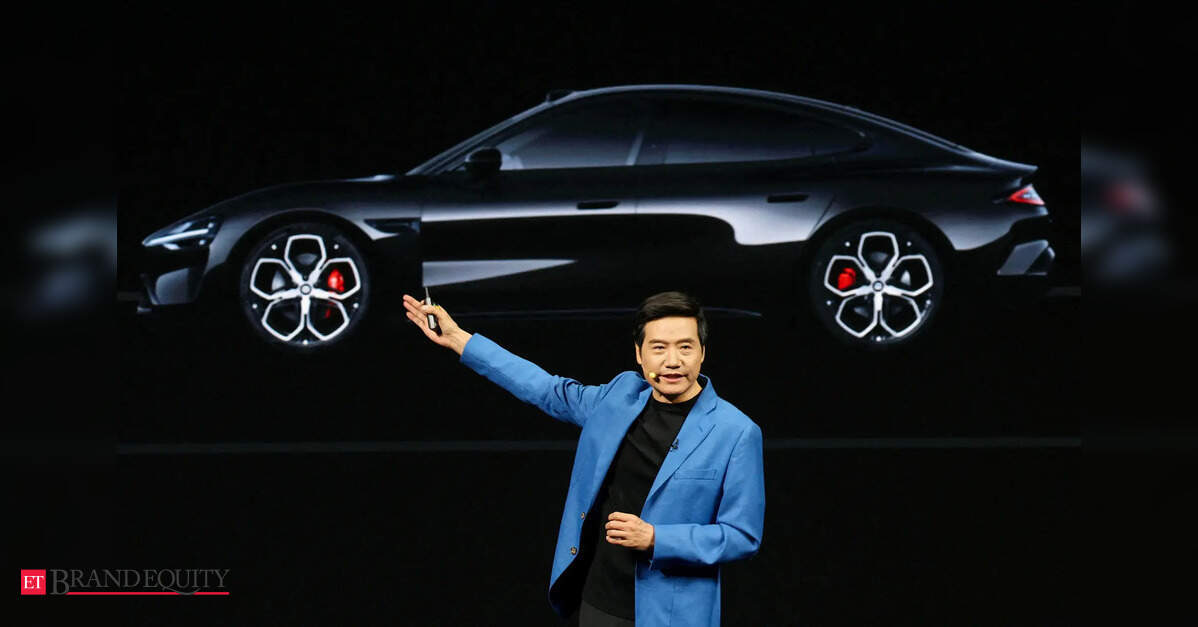
In a landmark legal ruling that underscores Beijing’s intensifying crackdown on digital misinformation, a Chinese blogger has been sentenced to 20 months in prison for deliberately fabricating negative claims regarding the safety of Xiaomi’s flagship SU7 electric sedan. The verdict, delivered by the Haidian District People’s Court, also imposed a fine of 100,000 yuan ($14,800) against the defendant, identified as Gao. This development marks a significant escalation in the government’s efforts to regulate the country’s hyper-competitive automotive sector, where online influence carries immense weight in shaping consumer behavior and market stability.
The controversy originated in August 2024, when Gao and his production team released a high-profile crash-test video across his social media channels, which boasted a following of approximately one million users. The footage purported to demonstrate catastrophic failures in the Xiaomi SU7, specifically alleging that the vehicle’s doors remained locked after a collision, the emergency response system failed to trigger, and the central control console went dark. The video quickly gained viral traction, accumulating over three million views and casting a shadow over the reputation of Xiaomi’s high-stakes entry into the electric vehicle (EV) market.
However, the rapid spread of the video triggered an immediate investigation, revealing a sophisticated plot to deceive the public. According to reports from the Beijing Daily, the court established that Gao had engaged in intentional sabotage to manufacture the desired “results.” Evidence presented during the trial showed that the blogger had covertly tampered with the vehicle’s auxiliary battery prior to the filming and utilized footage of a separate battery unit that had been damaged by a forklift. By presenting these staged conditions as an authentic safety failure, the creators successfully misled a vast online audience.
The sentencing serves as a stark warning to content creators operating within the Chinese tech and automotive landscape. For years, authorities have grown increasingly concerned that professional bloggers and malicious actors have been weaponizing misinformation to “smear” domestic automakers for clout or financial gain. In its push for a cleaner digital environment, the state has moved to categorize such acts of reputational damage not merely as online disputes, but as criminal offenses that distort fair competition and threaten the integrity of the rapidly growing EV industry.
Xiaomi, a tech giant that successfully pivoted from consumer electronics into the automotive sector, has taken a firm stance against such digital hostility. As early as January 2025, the company publicly announced that Gao and his accomplices had been apprehended following their campaign of “maliciously smearing” the brand. By pursuing legal recourse, Xiaomi has signaled to the market that it intends to protect its intellectual property and brand safety with the full backing of the judicial system, effectively using the case to deter future attempts to compromise its public image.
As the Chinese automotive industry continues to navigate a fiercely competitive transition toward electrification, the role of digital media remains a double-edged sword. While influencers provide valuable transparency for consumers, the case of the SU7 crash-test fabrication illustrates the potential for severe damage caused by viral disinformation. With the government now utilizing custodial sentences to curb these irregular practices, the era of “anything goes” for automotive influencers appears to be drawing to a close, replaced by a climate of strict accountability and legal scrutiny.


