









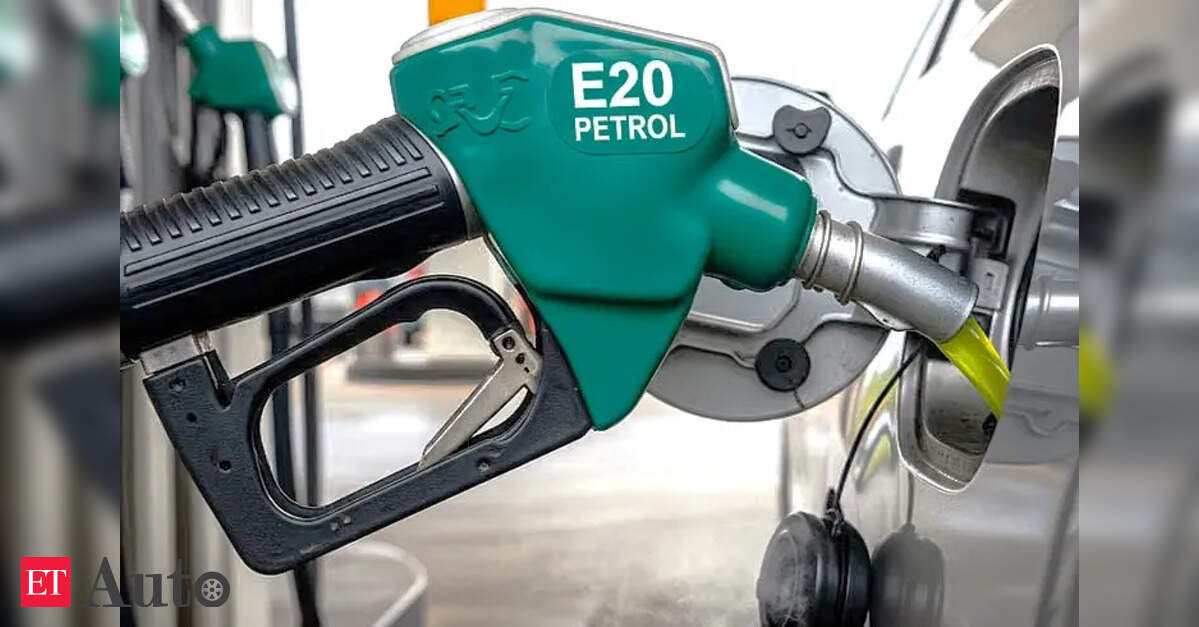
The Bharat Independent Ethanol Producers Association (BIEPA) has launched a proactive campaign to dispel widespread misinformation regarding India’s E20 petrol rollout. As the government aggressively pushes its Ethanol Blended Petrol (EBP) programme to reduce dependence on crude oil imports, social media platforms have seen a surge in unsubstantiated claims regarding engine integrity, fuel efficiency, and environmental impact. BIEPA is now urging the public to disregard these viral claims and instead rely on verified data provided by the Ministry of Petroleum and Natural Gas, vehicle manufacturers, and apex scientific institutions.
At the heart of the association’s message is a firm rejection of claims that E20 fuel significantly damages vehicle engines. BIEPA emphasized that all E20-compatible vehicles currently on the market have undergone rigorous testing protocols conducted by the Automotive Research Association of India (ARAI) and various original equipment manufacturers (OEMs). According to the industry body, there is a complete lack of credible scientific evidence or official investigation data to support the narrative of widespread engine failure associated with the use of government-approved, BIS-compliant ethanol-blended petrol.
Addressing concerns regarding fuel economy, BIEPA acknowledged that slight variations in mileage may occur, though they are significantly lower than the figures often suggested in public discourse. The association clarified that any reduction in fuel economy for E20-compatible vehicles is typically restricted to a range of 2–6 per cent. Furthermore, the industry is working to address ecological concerns, highlighting that modern ethanol production facilities are increasingly adopting advanced “zero-liquid discharge” systems, condensate recovery, and water recycling technology to drastically minimize freshwater consumption during the manufacturing process.
A critical point of concern for many Indian motorists has been the potential risk to vehicle maintenance and financial protection. BIEPA moved decisively to confirm that using BIS-compliant E20 fuel sourced from authorized retail outlets does not void vehicle warranties or insurance policies. By maintaining a clear distinction between officially regulated fuel and consumer fears, the association aims to reassure buyers that their investments remain protected under the current fuel policy, provided they adhere to the manufacturer’s technical guidelines regarding fuel compatibility.
Beyond individual consumer benefits, BIEPA highlighted the massive macroeconomic impact of the country’s energy transition strategy. Since the 2014-15 fiscal year, the EBP programme has served as a cornerstone of India’s economic policy, resulting in foreign exchange savings exceeding ₹1.90 lakh crore. By utilizing agricultural feedstocks, the initiative not only reduces the national import bill for crude oil but also provides a vital revenue stream for rural farmers, effectively turning the agriculture sector into a strategic engine for national energy security.
Concluding the announcement, BIEPA President Pushpinder Singh called for a shift toward science-based public discourse to ensure the success of India’s sustainable energy roadmap. He noted that ethanol-blended fuels have already been successfully adopted and safely utilized in numerous nations globally. By urging consumers, policymakers, and industry stakeholders to prioritize verified information over online rumors, the association hopes to clear the path for the continued rollout of alternative fuels, ensuring that both the industry and the environment benefit from a more sustainable, indigenous energy mix.


