









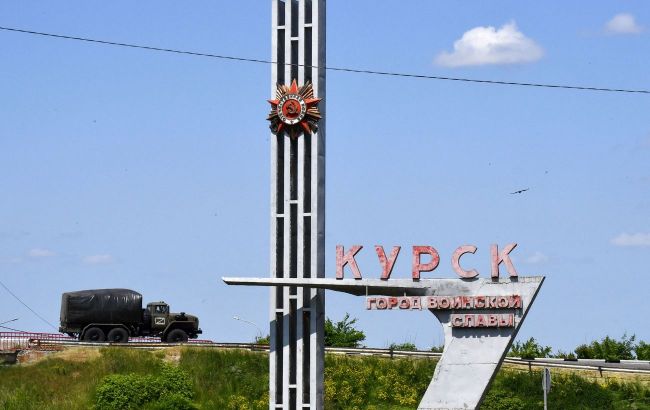
The Russian propaganda apparatus is currently engaged in a coordinated effort to reshape the narrative surrounding the ongoing military operations in the Kursk region. According to reports from Ukraine’s Center for Countering Disinformation (CCD), pro-Kremlin “Z-channels” are actively promoting stories of “heroic battles” allegedly spanning the last nine months. By portraying their forces as having faced down a “vastly superior enemy force” with “extraordinary courage,” Moscow seeks to frame the defensive failure in Kursk as a triumph of Russian military spirit rather than an intelligence and tactical collapse.
However, the CCD notes a significant internal contradiction within these accounts. The current fervor among state-aligned propagandists stands in stark contrast to their behavior in August 2024, when the Kursk operation first began. At that time, much of the Russian media ecosystem maintained a conspicuous silence, struggling to formulate an official line on the breach of their sovereign territory. The sudden shift to glorification suggests a desperate attempt to retroactively manage public perception and mitigate the domestic embarrassment caused by Ukraine’s rapid advancement into the region.
Parallel to the internal glorification of their troops, Russian officials are escalating a smear campaign aimed at delegitimizing the Ukrainian Defense Forces. A central pillar of this effort involves unsubstantiated accusations of war crimes and systemic violence against Russian civilians. Russian Human Rights Commissioner Yana Lantratova recently alleged that the whereabouts of approximately 300 residents in the Kursk region remain unknown, implying these individuals were victims of Ukrainian aggression. Despite the gravity of such claims, the Russian government has failed to provide any verifiable evidence, relying instead on emotional rhetoric to stir public outrage.
The CCD highlights that these manipulative narratives serve two strategic purposes: creating a distorted perception of the conflict’s reality and justifying Russia’s ongoing war of aggression. By framing Ukrainian forces as terrorists, the Kremlin hopes to garner international sympathy and domestic unity, distracting from the reality that the war was initiated by Moscow. The CCD has emphasized that this propaganda machine conveniently ignores the fact that Ukrainian citizens have been subjected to daily, documented terror and indiscriminate shelling by Russian forces for more than five years.
This misinformation campaign is not an isolated incident but part of a broader, well-oiled disinformation strategy that seeks to erode Ukraine’s international standing. Earlier reports from RBC-Ukraine have documented similarly absurd fabrications, such as claims that Kyiv was trafficking weaponry and attack drones to the Italian mafia—a narrative designed to portray Ukraine as a source of global instability. These wild accusations are frequently debunked, yet they remain a staple of the Russian media playbook, intended to confuse global audiences and damage the reputation of Ukrainian state institutions.
Ultimately, the persistent nature of these falsehoods—ranging from the fabricated accounts of military heroics in Kursk to fictitious reports about Ukrainian universities recruiting students for clandestine military roles—underscores a reliance on psychological warfare. As the situation on the ground in the Kursk region remains complex, the Kremlin continues to utilize disinformation as a primary defensive layer. By inundating the information space with contradictory and unverified claims, Russia hopes to insulate its population from the failures of its military leadership while attempting to recast an aggressor as a victim on the global stage.


