








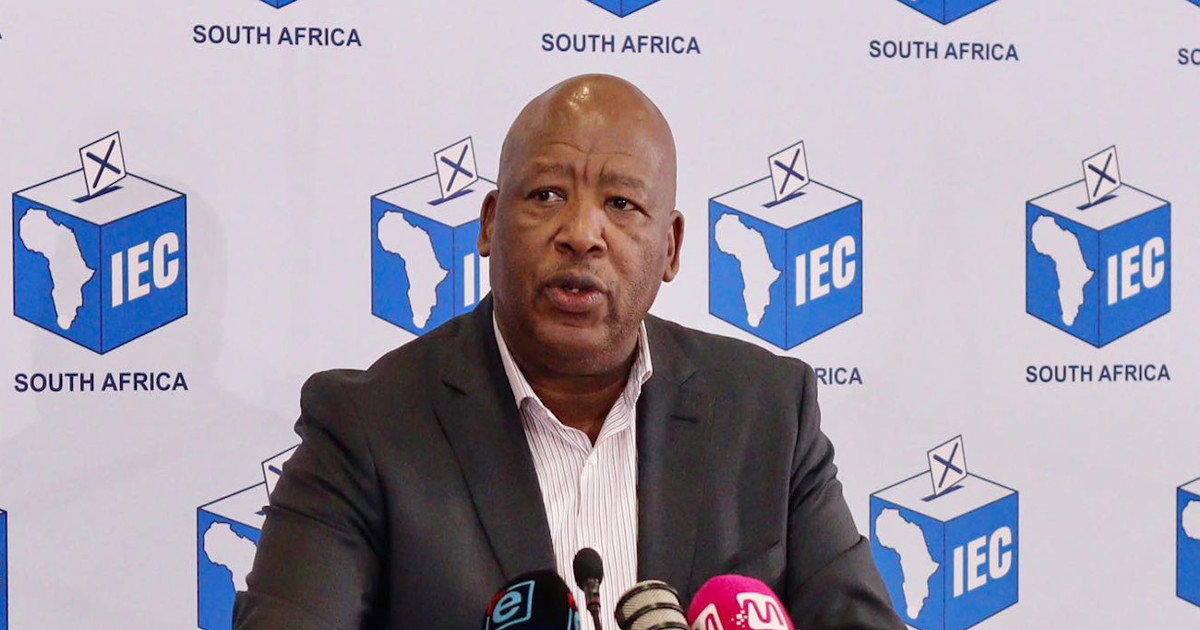
The Electoral Commission of South Africa (IEC) has reported a notable uptick in voter participation, confirming that as of the end of May, the national voters’ roll exceeded 27 million registered individuals. This figure represents an increase of over 106,000 voters compared to the 2024 records, signaling a continued, albeit slow, growth in the electorate. Despite this progress, the commission acknowledges that a significant demographic of voting-age citizens remains unregistered, highlighting a persistent challenge in ensuring universal civic participation across all regions of the country.
The process of voter registration has sparked a contentious debate between political stakeholders and the electoral body. Various political parties have voiced their dissatisfaction with the online registration system, characterizing the verification requirements as overly cumbersome. Critics argue that these technical hurdles disproportionately affect the elderly and residents in rural areas, who often struggle with limited digital infrastructure or technological literacy. This friction has fueled concerns that the current digital-first approach may inadvertently disenfranchise more vulnerable members of the population.
In response to these criticisms, Deputy Chief Electoral Officer Mashego Sheburi defended the focus on digital platforms, clarifying that the online registration system was primarily designed to appeal to, and engage with, the tech-savvy youth demographic. By streamlining the process for younger voters, the IEC hopes to boost registration numbers within a group that has historically shown lower turnout. Sheburi’s remarks indicate that while the IEC is aware of the difficulties highlighted by political parties, it views digital accessibility as a critical pillar for future-proofing elections.
A major concern now occupying the IEC’s agenda is the escalating threat of electoral disinformation. Sheburi announced that the commission is currently drafting new regulations to curb the spread of false information, which will soon be released for public comment. The IEC defines this concern specifically as the knowing propagation of false facts by party leaders, candidates, or office-bearers. This regulatory push is a direct attempt to preserve the integrity of the democratic process from being eroded by actors who deliberately mislead the electorate.
The rise of advanced technology has compounded these concerns, as the commission monitors the increasing role of social media and generative artificial intelligence (AI) in local political discourse. Sheburi warned that these tools are being weaponized to manipulate public perception and influence electoral outcomes. To mitigate these risks, the IEC is calling upon political parties to share the responsibility of maintaining accurate communication, urging them to actively counter the spread of misinformation and foster a more transparent political environment.
Looking forward, the IEC is shifting its immediate strategic focus to the upcoming registration drive scheduled for next weekend. While the commission had previously informed Parliament of plans for two distinct voter registration weekends leading up to the November polls, the current priority is to maximize participation during this immediate window of opportunity. Consequently, the electoral body remains focused on mobilizing the public and ensuring that as many unregistered citizens as possible are brought onto the voters’ roll before the next election cycle commences.


