









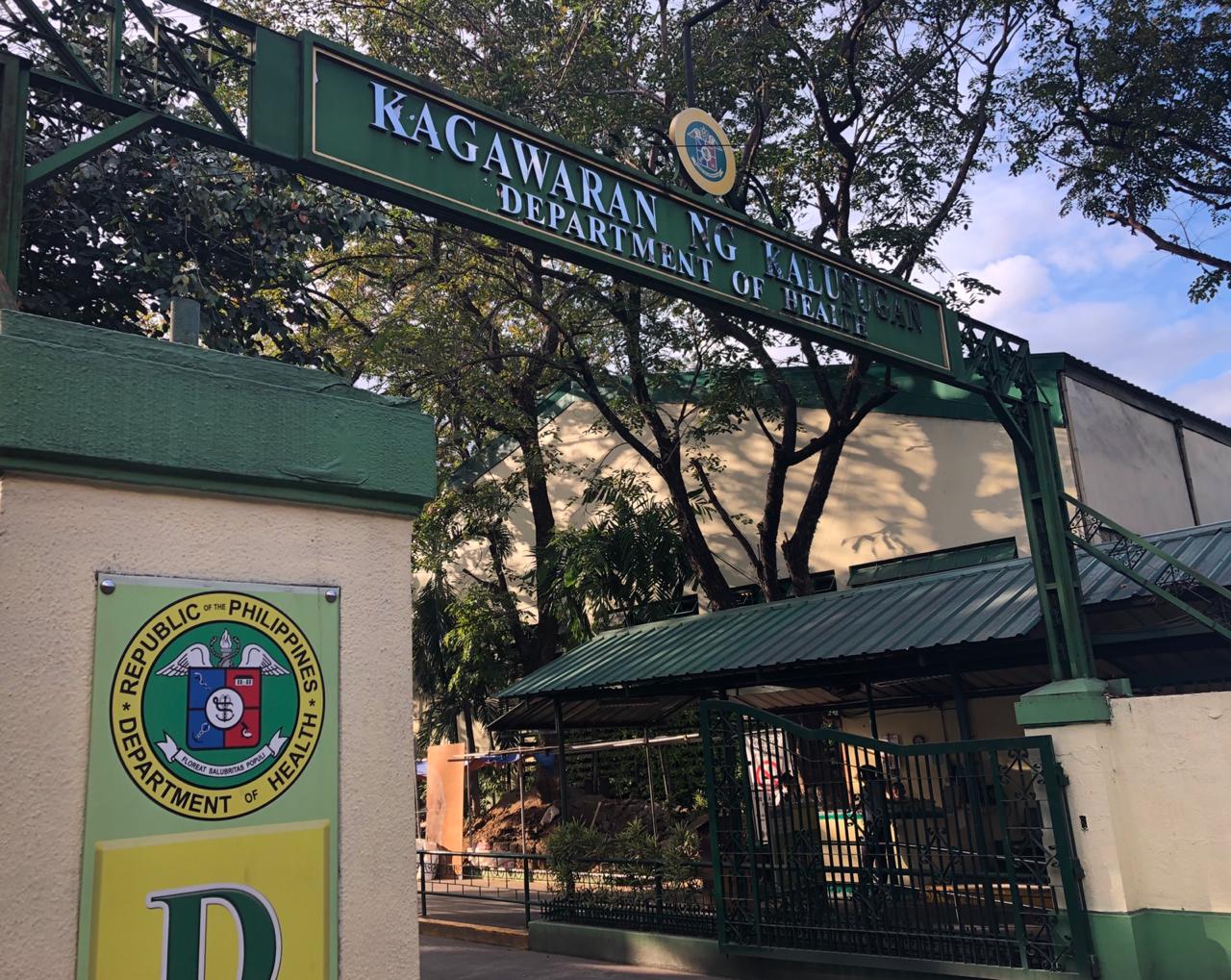
The Department of Health (DOH) has issued a formal appeal to the public to disregard misinformation regarding its national deworming program, maintaining that the initiative remains a safe and essential public health intervention for Filipino children. This statement follows significant public concern triggered by the tragic death of a Grade 4 student from Trece Martires City, Cavite. The pupil, known as “Rex,” reportedly fell ill with severe vomiting on July 3 and eventually succumbed to an infection that resulted in septic shock shortly after participating in a school-based deworming activity.
In response to the growing alarm, the DOH released a statement urging citizens to rely exclusively on verified information from official government channels. The department explicitly cautioned against the proliferation of unverified reports and misleading claims, which they argue could incite unnecessary fear and discourage parents from allowing their children to participate in future health-related school activities. The agency emphasized that the program is a long-standing, proven mechanism designed to safeguard children’s welfare.
The DOH continues to advocate for the ongoing deworming initiatives scheduled throughout July, requesting support from parents, guardians, educators, and local community leaders. Highlighting the necessity of the program, the agency explained that school-age children are particularly susceptible to soil-transmitted helminths—intestinal worms—due to frequent exposure to contaminated environments. Left untreated, these parasitic infections pose significant long-term health risks, including anemia, malnutrition, stunted growth, cognitive delays, and a lowered resistance to other contagious illnesses.
Regarding the safety of the medical supplies utilized, the Department of Health underscored that Albendazole, the specific medication employed in the program, has been used for nearly thirty years and is internationally recognized as safe and well-tolerated. The DOH reinforced its commitment to global health standards, noting that the drug is fully recommended by the World Health Organization. While the agency acknowledged the existence of potential mild side effects, such as temporary fever, diarrhea, stomach pain, or skin rashes, it maintained that these reactions are transient and typically subside shortly after administration.
To address systemic concerns about the delivery of the program, the DOH confirmed that it has issued strict instructions to health workers and local partners to ensure the clinical safety of the medicine’s administration. Teams have been directed to maintain rigorous protocols for monitoring and managing any witnessed adverse reactions in the immediate aftermath of the deworming process. This comes amid calls from various teachers’ groups, who have argued that the recent tragedy highlights critical gaps and a lack of preparedness within the school-based health systems.
As the health department works to restore public confidence, an official investigation into the death of the Cavite student is already underway. National Bureau of Investigation (NBI) Director Melvin Matibag announced on Wednesday that the agency has performed a formal autopsy on the student’s remains to determine the definitive cause of his passing. The DOH and the public now await the results of this forensic analysis, which investigators expect to be completed and released within the next two weeks.


