


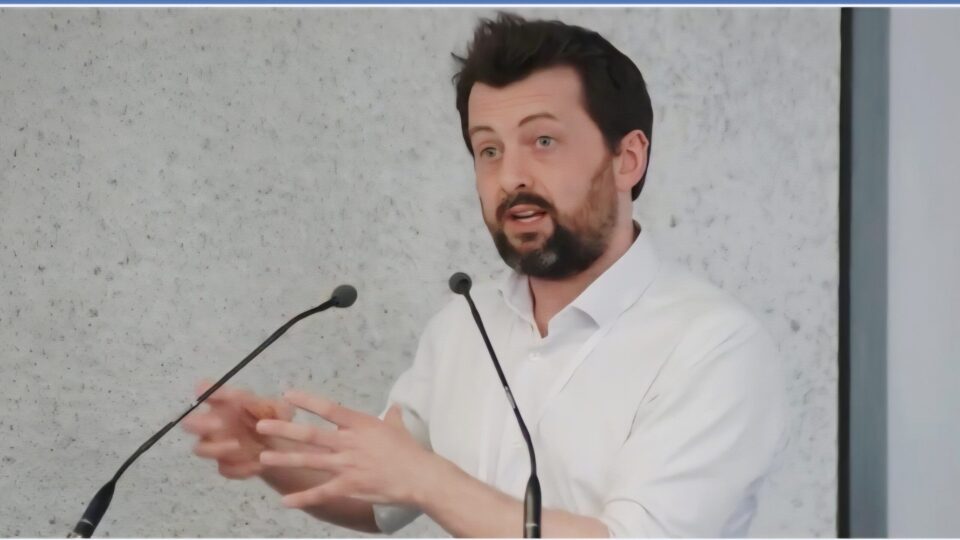
President Catherine Connolly has officially confirmed the appointment of counterterrorism expert Ross Frenett as an ordinary member of An Coimisiún Toghcháin, Ireland’s Electoral Commission. This appointment, which received formal approval from both Houses of the Oireachtas, marks a significant shift in the strategic focus of the Commission. As Ireland approaches a period of heightened electoral activity, the inclusion of a specialist in digital threats signals a transition toward a more proactive stance regarding the impact of the digital landscape on domestic political discourse.
Frenett brings a unique background to the role, having served as a corporal in the Irish Defence Forces before moving into the private sector. A graduate of University College Cork, he has built a professional reputation centering on the navigation of complex online environments and the mitigation of digital risk. His transition from military service to the oversight of electoral integrity reflects the government’s growing concern over the vulnerability of modern democratic processes to external and internal digital interference.
As the founder and CEO of Moonshot, a firm specializing in “online harms prevention,” Frenett has been at the forefront of efforts to analyze and neutralize disinformation. His company is known for developing methodologies to identify and confront extreme narratives, positioning him as a key figure in the global debate surrounding how institutions should intervene in online spaces. His specific experience in policy-driven safety initiatives will likely inform the Commission’s upcoming frameworks for regulating digital political content.
Among his notable professional achievements is his involvement in high-profile, Google-backed “prebunking” initiatives. Prebunking—the strategic effort to inoculate audiences against disinformation by exposing them to manipulation tactics before they encounter false narratives—is a growing area of interest for regulatory bodies globally. Frenett’s integration of these psychological strategies into the broader mission of An Coimisiún Toghcháin suggests that the Commission may adopt new behavioral science tactics to bolster the resilience of the Irish electorate.
Beyond domestic efforts, Frenett has been heavily involved in high-stakes environments, including operations in Ukraine aimed at identifying and countering Russian disinformation warfare. By applying his experience from one of the world’s most active information theaters to the Irish electoral system, he brings a perspective that views national stability through the lens of large-scale digital aggression. This background suggests the Commission will prioritize the identification of coordinated inauthentic behavior that could threaten the perceived fairness of upcoming polls.
The appointment underscores a pivotal moment for An Coimisiún Toghcháin as it assumes its role as the guardian of electoral integrity. In an era where misinformation can proliferate rapidly, the challenge lies in balancing the defense of democracy with the standards of free expression. As Frenett begins his tenure, observers will be closely watching to see how his counterterrorism and safety-tech expertise will translate into operational policy, and whether his appointment effectively secures the Irish voting process against the fluid nature of modern digital threats.