








As the midterm elections approach, the “America First” wing of the Republican Party has positioned itself as the sole defender of the interests of the average American citizen. By emphasizing a platform rooted in domestic priorities, GOP leaders argue that their legislative agenda is entirely focused on the daily concerns of their constituents. However, recent actions by high-ranking party officials suggest a discrepancy between this stated domestic focus and the party’s actual international endeavors, particularly regarding global information policy.
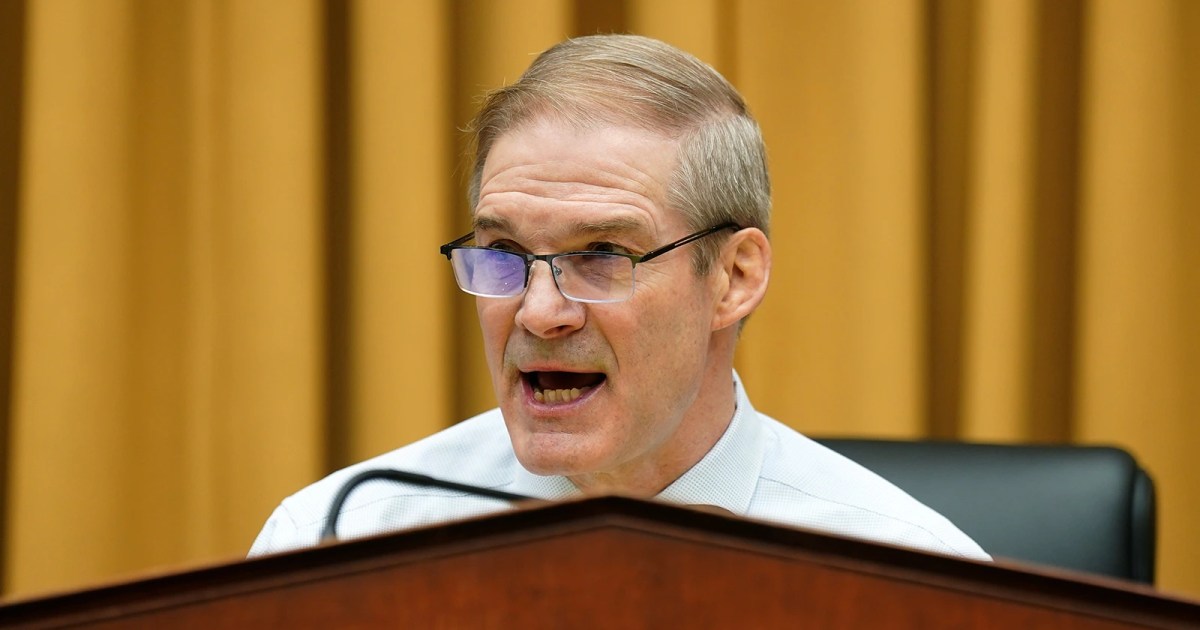
House Judiciary Committee Chairman Jim Jordan has emerged as a central figure in this narrative, recently drawing criticism for his involvement in South Korea’s internal legislative affairs. According to a report by CNBC, Jordan spearheaded a group of Republican lawmakers in a formal communication to the South Korean Media and Communications Commission. The letter expressed significant apprehension regarding a new South Korean law designed to impose penalties on large media organizations and publishers found guilty of the deliberate dissemination of false information.
The intervention by Jordan and his colleagues has been framed by critics as an act of political overreach. By attempting to influence how a sovereign nation regulates its own media landscape, these lawmakers are arguably prioritizing the protection of loose information standards over the traditional Republican value of non-interference. For those monitoring the situation, this move is seen as an attempt to export the American conservative movement’s ongoing resistance to efforts aimed at curbing misinformation and disinformation online.
Observers note that this legislative pressure is consistent with a long-standing campaign by the American right to undermine institutions that seek to hold media outlets accountable for the spread of falsehoods. The conservative movement has spent years casting doubt on experts and organizations that specialize in identifying and debunking digital propaganda. By targeting South Korea’s regulatory efforts, Jordan’s committee is signaling that the party’s ideological commitment to unregulated media environments extends well beyond the borders of the United States.
Furthermore, this maneuver places Jordan and his fellow MAGA-aligned lawmakers in direct alignment with the rhetorical and political strategies of former President Donald Trump. Critics of the movement argue that Trump has led an unprecedented assault on the principles of a free press and corporate independence throughout his political career. The effort to lobby foreign governments against misinformation laws is being viewed as an extension of this broader antagonism toward any entity that attempts to enforce journalistic or factual accountability.
Ultimately, the incident highlights a growing tension between domestic campaign messaging and international legislative conduct. While Republican leadership continues to claim that their mandate is centered on the needs of everyday Americans, their focus on foreign media regulation suggests a broader, global ideological project. As the midterm elections draw near, this episode provides a case study for voters looking to understand the true scope of the “America First” agenda and its implications for how information is managed on both a local and international stage.


