







The Silent Threat to Africa’s Information Ecosystem
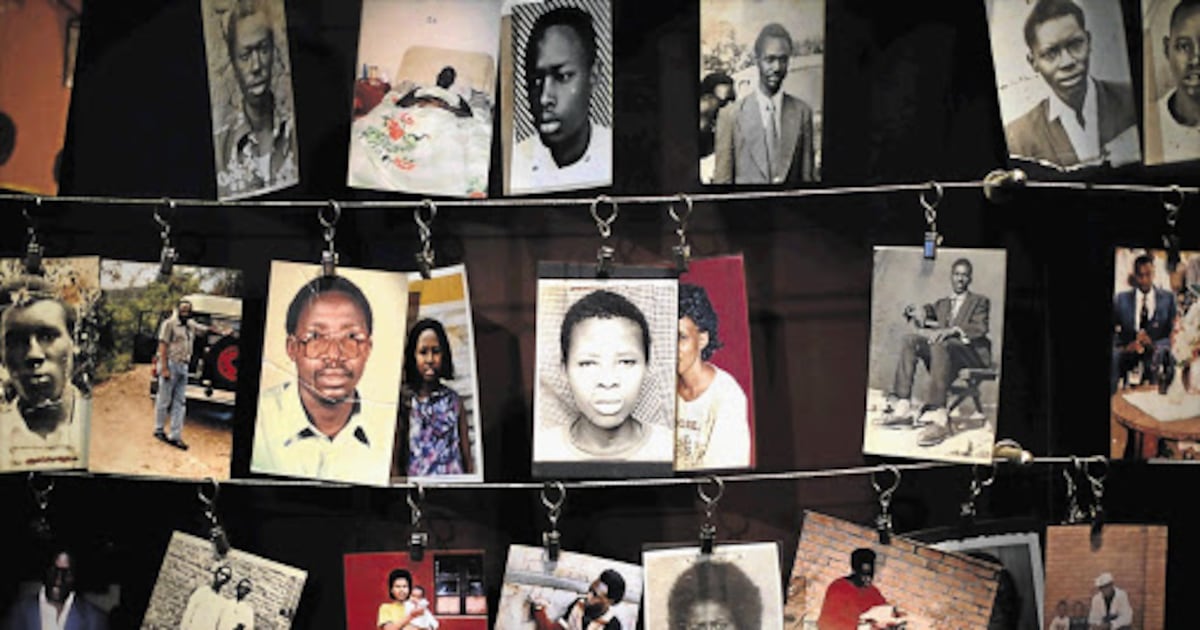
Africa Day serves as a poignant reminder of the continent’s democratic progress since 1963, yet this unity is increasingly threatened by the integrity of its information channels. While global discourse on AI-driven disinformation focuses heavily on text-based social media platforms, this narrow scope leaves Africa’s most dominant medium—radio—dangerously exposed. With 59% of Africans relying on radio for news, it remains the primary infrastructure of political life, particularly for women, rural populations, and the less educated. Historical precedent, such as the 1994 Rwandan genocide, underscores that radio can be weaponized as a lethal tool for dehumanization and incitement, making current vulnerabilities in these oral networks a matter of urgent concern.
The rise of generative AI has created a new era of “malicious AI swarms” capable of infiltrating peripheral networks like community radio and encrypted WhatsApp voice chains. Unlike the clumsy botnets of the past, these AI agents can fabricate consensus by mimicking human emotion, regional accents, and local dialects with chilling fidelity. Because these networks operate outside the reach of centralized content moderation—often relying on peer-to-peer sharing and oral traditions—they are perfectly suited to manufacture synthetic political support. By the time a falsified audio clip reaches a local DJ or a community leader, the damage is already done, shifting public opinion before fact-checkers can even verify the content.
This “governance gap” reflects a class-based inequality in how digital defense is prioritized. International agencies and national strategies largely focus on the text-heavy platforms used by the urban, elite, and digitally connected, effectively ignoring the oral-based media that define the lives of the majority. Countries with lower digital penetration, such as Madagascar or Chad, are particularly vulnerable; in these environments, radio is often the only mass medium. Without tailored strategies for audio authentication, these democratic institutions remain open to exploitation by external actors, including those seeking to destabilize governments or secure control over critical mineral resources like cobalt, lithium, and gold.
Evidence of such interference is already visible across the “Sahel coup belt,” where foreign-aligned disinformation campaigns have been used to delegitimize elected administrations and build support for military interventions. For actors in the “Wagner ecosystem” or those aiming to influence the resource-rich DRC and Zimbabwe, voice manipulation is a high-reward, low-cost investment. By flooding the information space with synthetic audio, these actors can manufacture instability, driving up the cost of capital and scaring off investors. If left unchecked, the poisoning of Africa’s information landscape will inevitably lead to a poisoned investment climate, further entrenching the risk of political crisis.
Moving toward a solution requires a paradigm shift that recognizes audio as the primary battleground for African democracy. Detection tools designed for mainstream Western languages are largely ineffective for the linguistic and acoustic diversity of the continent, and standard software produces inconsistent results. A robust defense, therefore, requires significant investment in indigenous language auditory forensics, alongside the creation of specialized audio-verification units in media organizations. Bridging the gap between elite tech hubs and grassroots community radio stations is essential; station producers must be provided with the same level of training in audio authentication that mainstream newsrooms previously received for spotting doctored photographs.
Ultimately, protecting Africa’s political future depends on acknowledging that the current “reactive arms race” is tilted in favor of those who exploit the continent’s oral traditions. Relying on encrypted platforms or waiting for private AI developers to secure their tools is insufficient. With sophisticated deepfake technology now accessible to anyone with a smartphone, the risk of organized, synthetic psychological operations is higher than ever. Africa’s democratic journey cannot afford to learn the lessons of disinformation by repeating the tragic vulnerabilities of the past; the security of its airwaves is now synonymous with the security of its states.


