





The first half of 2026 has served as a sobering wake-up call for global health systems, as simultaneous outbreaks of Ebola, hantavirus, and diphtheria have exposed critical vulnerabilities in modern pandemic response. While each disease represents a distinct biological threat, they share a common, dangerous denominator: a profound erosion of public trust exacerbated by the rapid spread of misinformation. In the Democratic Republic of the Congo, the United States, and Australia, health authorities have struggled to contain infections not just because of the pathogens themselves, but because they are operating within a vacuum of credible communication where fear and speculation thrive.
In the Democratic Republic of the Congo, the ongoing Ebola crisis has once again demonstrated how deeply local distrust can hamstring life-saving interventions. When health protocols—such as bans on traditional funeral wakes—are imposed without sufficient cultural sensitivity or community dialogue, they trigger violent backlash. The destruction of treatment centers by residents who felt alienated by institutional mandates highlights a cycle where families, fearing the loss of loved ones to “outsider” control, choose to hide the sick rather than seek care. Experts argue that even the most scientifically sound protocols, such as WHO-backed safe burial practices, are futile if the institutions implementing them lack the foundational support of the local population.
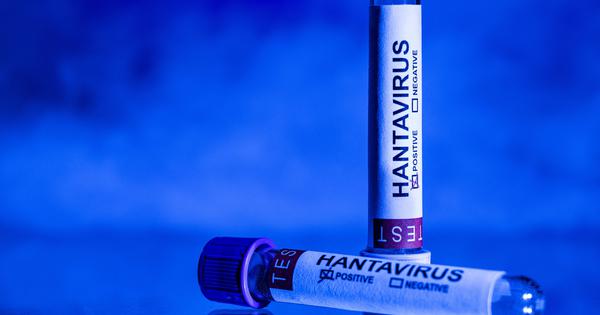
The hantavirus outbreak that recently affected a cruise ship illustrates a different failure: the abandonment of the public information space by key health agencies. Critics argue that the relative silence of authoritative bodies like the U.S. Centers for Disease Control and Prevention (CDC) left the door wide open for influencers and anonymous social media users to dominate the discourse. Without timely, visible, and reassuring leadership from health officials, the public was left to navigate a minefield of digital rumors regarding unproven treatments and unfounded pandemic fears, proving that when the “official” voice is absent, misinformation becomes the primary source of truth for a frightened public.
In Australia, the diphtheria outbreak highlighted the intersection of systemic neglect and poor communication. For residents in remote, marginalized communities, the frustration was not merely about the disease itself, but the lack of localized, practical information on how to protect families living in crowded conditions. As with other outbreaks, the challenge here is multifaceted; it requires bridging the gap between national health directives and the realities of life in underserved areas. Because diphtheria is vaccine-preventable, success relies entirely on building a bridge of trust between health authorities and community members who have been historically overlooked by the healthcare system.
Moving forward, addressing these crises requires a fundamental shift in how public health intelligence is shared. Transparency must become the default setting, moving away from rigid, top-down messaging toward an honest acknowledgement of scientific uncertainty. As human understanding of a disease evolves, public communication must evolve alongside it without being framed as a “backflip.” Furthermore, the era of relying solely on international agencies to command the response is over; local leadership, trusted community figures, and civil society organizations are far more effective at delivering messages that resonate, bypass skepticism, and drive genuine behavioral changes, as evidenced by Sierra Leone’s successful management of Ebola post-2014.
Ultimately, we cannot expect to build trust in the heat of a crisis, when death, financial ruin, and emotional trauma are already peaking. The lesson of 2026 is that rapport must be cultivated long before an outbreak begins. By fostering collaborative relationships between healthcare workers, community leaders, and local stakeholders during times of relative peace, health systems can establish the infrastructure of trust necessary to handle future emergencies. A reactive approach is no longer sufficient; the frontline of disease control is not just in the laboratory, but in the strength of the relationship between those who govern health and the communities they serve.