









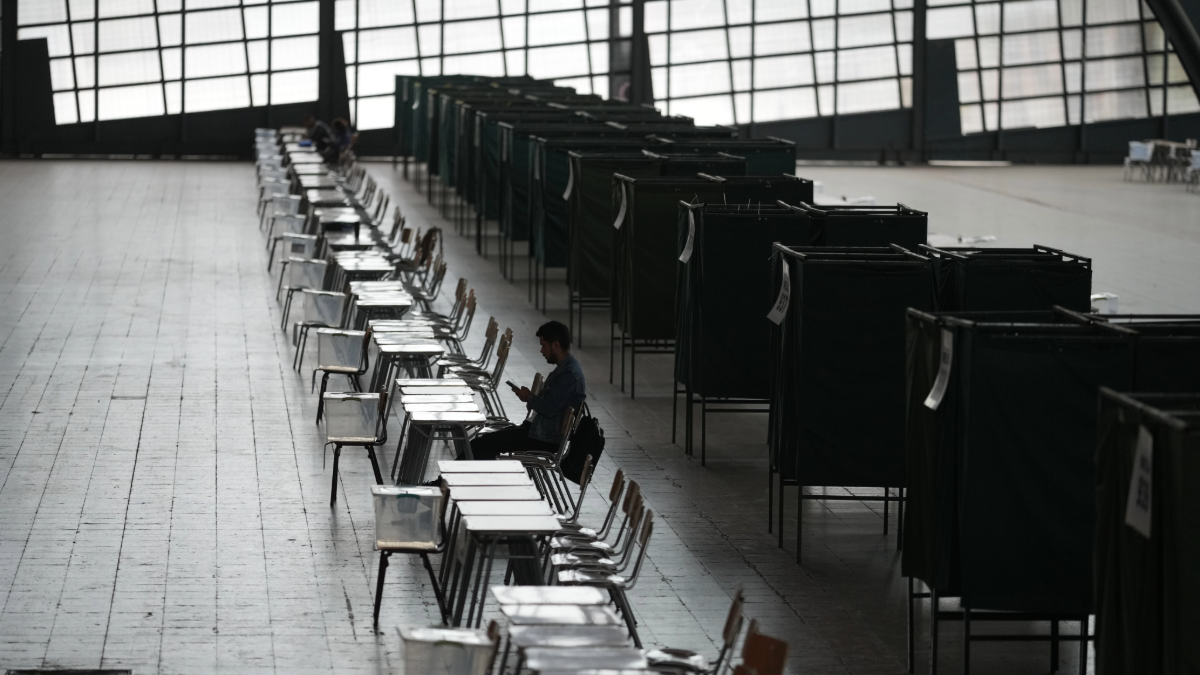
The 2025 Chilean presidential election served as a stark case study in the weaponization of digital deception, as investigative journalists uncovered coordinated disinformation campaigns targeting female candidates Evelyn Matthei and Jeanette Jara. Anonymous networks spread damaging falsehoods, including spurious claims regarding Matthei’s health, which observers linked to the political orbit of the Republican Party—though such allegations remain unproven. This episode highlights a growing global trend where political actors exploit entrenched gender stereotypes and digital anonymity to manipulate public perception. Research reveals that this is not an isolated incident; nearly half of the misinformation observed during the campaign originated from the candidates themselves, echoing similar patterns of electoral subversion seen recently in the United States and Brazil.
Beyond the immediate heat of the campaign trail, experts argue that disinformation has evolved into a strategic authoritarian tool designed to entrench power by sabotaging public accountability. Because this manipulation often relies on opaque networks of private firms, foreign actors, and anonymous bots, traditional safeguards are increasingly inadequate. Addressing this crisis necessitates shifting the focus beyond simple platform governance—the business models of social media—to a comprehensive, multi-layered defensive strategy that protects the integrity of the information ecosystem while upholding essential human rights.
Independent journalism acts as the primary frontline defense against this manipulation, yet the profession is currently facing a dual crisis of economic instability and physical harassment. While political candidates may rhetorically oppose disinformation, it is often investigative reporters who bridge the gap between deceptive anonymous content and the powerful actors behind it. Simultaneously, the field of third-party fact-checking is fraying; as social media platforms reduce their support for these not-for-profit initiatives, the rise of AI-generated content makes verification increasingly resource-intensive. Without sustainable funding models and stronger institutional backing, the vital service of debunking false narratives remains precariously under-resourced.
Regulatory reform beyond sheer platform moderation is equally critical for protecting electoral integrity. Robust privacy laws, such as the new data protection framework implemented in Chile, are powerful tools to prevent the weaponization of personal images, including unauthorized AI deepfakes. Furthermore, strict transparency requirements for political advertising—similar to those recently adopted in Brazil—are essential to ensure that electoral messaging is not a black box. The Chilean election highlighted a dangerous regulatory gap, as state authorities lacked the legal mandate to oversee the veracity of content broadcasted during official political campaign segments.
Strengthening public confidence requires a dual approach: ensuring the independence of electoral bodies and boosting the digital literacy of the electorate. Chile’s Electoral Service (Servel) serves as a successful model, as its autonomous status and proactive monitoring helped debunk false claims and maintain systemic legitimacy during the election. However, institutional strength alone is insufficient. Governments must invest in education that empowers citizens—regardless of background—to critically assess rapidly circulating digital content, thereby building a “resilient public” capable of resisting the viral nature of modern disinformation.
Finally, the urgency of this crisis must not lead governments to embrace draconian, counterproductive solutions. Too often, states have utilized vague “fake news” laws to stifle independent journalism and silence political dissent, a practice that fundamentally violates the right to free expression. A balanced, human-rights-based approach demands a diverse mix of preventive legal frameworks, support for the media, and corporate due diligence. By moving away from ineffective, reactive measures and toward a comprehensive strategy that prioritizes transparency, institutional independence, and digital literacy, society can better protect its democratic foundations from the rising tide of authoritarian disinformation.


