









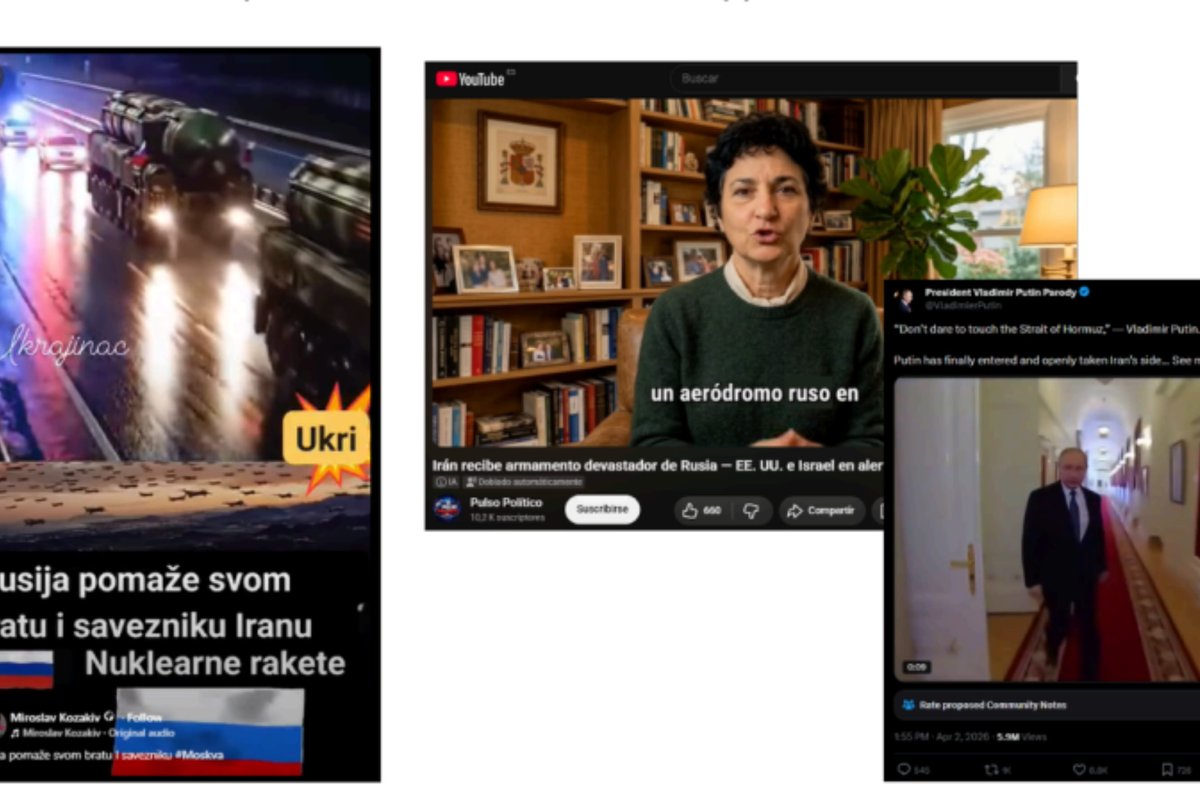
The second quarter of 2026 has marked a chilling evolution in the global information landscape, as highlighted by the latest report from the ATAFIMI project. The findings indicate that the integration of the automatic translation feature on the “Grok” AI model, deployed across the X platform, has inadvertently become a potent engine for the rapid dissemination of foreign-backed propaganda. By dissolving linguistic barriers, this technology has allowed disinformation campaigns of Russian origin to bypass traditional cultural and regional safeguards, enabling false narratives to saturate international audiences with unprecedented speed and scale.
The ATAFIMI initiative, a robust collaboration between NGOs and fact-checking organizations spanning ten nations across Europe and Latin America, provides an exhaustive look at how these manipulative tactics are tailored to fit local sensitivities. With partners operating in countries as diverse as Lithuania, Ukraine, Spain, Georgia, Serbia, Bosnia and Herzegovina, Argentina, Colombia, Mexico, and Venezuela, the report underscores a sophisticated strategy: while the core messages often originate from a single source, they are carefully “localized” to exploit specific political anxieties and social tensions inherent to each unique region.
Geopolitical instability remains the primary backdrop for these influence operations, with the report detailing how Russia has weaponized complex international conflicts to distort reality. In one notable instance, fabricated reports concerning the movement of troops and weaponry were injected into the discourse surrounding the escalating tensions between Iran, the US, and Israel. Simultaneously, in the theater of war in Ukraine, disinformation agents employed crude but effective psychological operations, such as the manufactured spread of hantavirus outbreaks, specifically designed to erode the morale of Ukrainian military personnel and spread panic among the populace.
The report also identifies a disturbing trend in the use of “wedge issues” to advance the Kremlin’s ideological agenda. The LGBTQ+ community has become a primary target for systemic harassment, as disinformation actors manufacture content that frames progressive social movements as existential threats to traditional values, effectively rallying conservative populations toward pro-Russian sentiments. Furthermore, the deployment of deepfake technology and deceptively edited, out-of-context video footage has been instrumental in portraying Ukrainian leadership as corrupt or abandoned by their Western allies, aiming to manufacture a false consensus of inevitable failure.
These tactics demonstrate a high degree of regional customization designed to fracture international solidarity. In Europe, the report notes that the strategy in nations like Lithuania involves acute fearmongering, focusing on alleged threats to national sovereignty and the staging of “provocations” intended to heighten tensions with Russia. Conversely, in the Balkan states of Serbia and Bosnia, the narrative shifts toward undermining trust in European Union institutions and international aid, framing these entities as ineffective or malicious actors that seek to impose foreign will upon local populations.
Perhaps most illustrative of this global reach is the campaign’s adaptation in Latin America, where narratives were recalibrated to resonate with local societal concerns. In Mexico, for instance, disinformation networks disseminated entirely fabricated claims alleging that the Ukrainian government was collaborating with local drug cartels, a move designed to alienate the Mexican public from the Ukrainian cause. These developments confirm that modern information warfare is no longer a “one-size-fits-all” endeavor; it is a highly tech-driven, targeted, and localized threat that leverages AI to erode the foundations of democratic discourse on a global scale.


