







In his recent 5th State of the Nation Address, President Ferdinand Marcos Jr. issued a stern defense of the Filipino national character, rebuking “friends and detractors” who have questioned the dignity and integrity of the Philippines. While unnamed, the President’s remarks stood as a pointed response to the escalating diplomatic and digital friction surrounding the 2016 Arbitral Award. His address served as a reaffirmation of national sovereignty, coming on the heels of internationally condemned actions, such as an AI-generated video from the Chinese state-controlled outlet China Daily that depicted Filipinos as monkeys. This content not only insulted the populace but also recirculated long-debunked falsehoods regarding the legal standing of the West Philippine Sea.
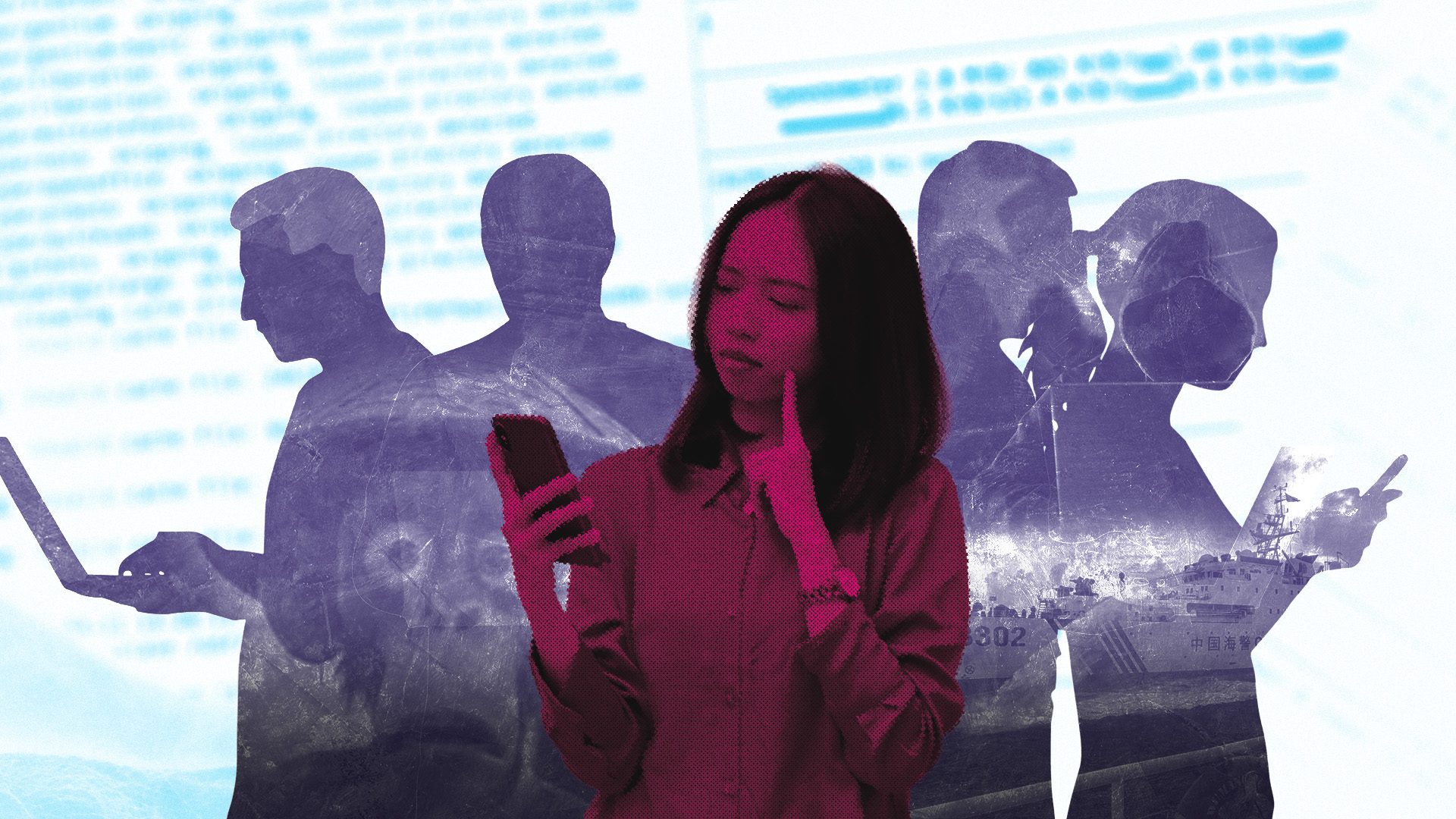
The digital landscape has become a primary theater for this geopolitical conflict, where historical revisionism and misinformation act as tools of influence. Investigations conducted by The Nerve and Rappler have repeatedly exposed how coordinated networks work to discredit local authorities and those who advocate for the 2016 ruling. This trend was recently illustrated when LANS, a popular educational content creator, faced a barrage of online harassment after featuring the West Philippine Sea on her channel. Despite her content being informative and based on first-hand interviews facilitated by the Philippine Air Force, she was subjected to hostile accusations of being a foreign operative, highlighting how quickly legitimate discourse is suppressed by orchestrated disinformation campaigns.
The mechanics of these campaigns are both sophisticated and deeply entrenched. Previous investigative reports have unveiled internal documents confirming that the Chinese embassy has operated large-scale, clandestine online activities. These operations involve hundreds of fake Facebook and X (formerly Twitter) accounts managed by specialized operatives instructed to mimic authentic local voices to push specific political agendas. By manufacturing a false sense of consensus, these networks have successfully laundered pro-China narratives into the mainstream, often pivoting to target high-ranking defense officials and civil society groups—such as the Atin Ito movement—by baselessly labeling them as puppets of the United States.
Historical data suggests that this digital machinery has evolved alongside shifting political alliances within the Philippines. The Nerve identified that while a significant network of pro-China accounts originally emerged around 2018 under a coalition of supporters of both the Duterte and Marcos families, this alignment fractured in 2022. As President Marcos shifted toward a more assertive stance on national sovereignty and expanded military ties with the United States, the online propaganda machine recalibrated. It now aggressively targets anyone—from military leaders like General Romeo Brawner Jr. to independent content creators—who threatens the narrative that the Philippines lacks a legitimate stake in its own maritime territory.
These tactics reflect a broader, more sinister strategy identified in recent years: the systematic erosion of public trust through the weaponization of social media. By leveraging state-controlled media outlets like China Daily and utilizing programs such as “Media Unlocked” to distort reality, these efforts aim to render Philippine officials and advocates appear incompetent or unpatriotic. This digital maneuvering is not merely a matter of public relations; it represents a persistent attempt to undermine the national morale and confuse the public perception of the Arbitral Award, effectively turning the digital space into a frontline for territorial and diplomatic contestation.
As tensions continue to mount, the necessity for media literacy and robust investigative journalism remains paramount. The ongoing efforts by organizations like The Nerve and Rappler to map these disinformation networks provide a vital service in safeguarding public discourse from foreign influence and domestic manipulation. Looking ahead, these platforms are expanding their scope to encompass broader economic and social analysis, such as the upcoming “Readout” series, which aims to provide clear, fact-based insights into the various sectors shaping the Philippine landscape. In an era where truth is frequently overshadowed by performative hostility, such initiatives remain essential in deciphering the complex realities of the nation’s future.


