


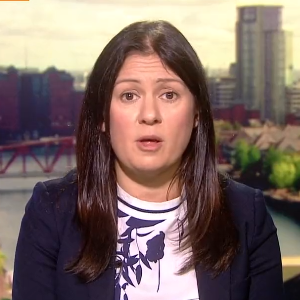
The recent decision by Media Secretary Lisa Nandy to quit the social media platform X, citing concerns over “abuse and misinformation,” has sparked significant controversy and claims of hypocrisy from civil libertarians. Writing for the Free Speech Union, Max Thompson argues that Nandy’s sudden departure is a performative act that ring-fences her from the very public discourse she is tasked with overseeing. By framing X as a danger to democracy rather than a forum for debate, Nandy has effectively vacated her post as a participant in the digital town square, choosing to retreat rather than engage with the complexities of modern communication.
Critics point out the irony of a Secretary of State responsible for media freedom abandoning a platform that has become the primary site for political discussion. Thompson notes that Nandy’s departure is particularly galling given her silence on the current government’s broader curtailment of civil liberties. While she claims to be protecting the health of British democracy, her record in office shows little evidence of a commitment to the foundational principles of free expression. Her sudden sensitivity to “misinformation” appears selective, ignoring the state-enforced limitations on speech that have defined the current administration’s tenure.
The article highlights a worrying pattern of authoritarian tendencies within the Starmer government which Nandy has enabled rather than challenged. From the thousands of citizens arrested annually for “offensive” online posts to the Justice Secretary’s controversial proposals to undermine the right to trial by jury, the government’s actions present a far greater threat to democracy than any social media platform. Nandy’s silence on these matters, combined with her department’s own efforts to regulate “trustworthy” news, suggests that her grievances with X are not rooted in a defense of speech, but in a desire to control the narrative.
Central to these concerns is the government’s new green paper, Watch This Space, which aims to force social media companies to prioritize state-approved news sources. This move reflects a broader, more dystopian push to centralize information flow under the guise of combating disinformation. By departing X, Nandy signals an unwillingness to defend these policies under public scrutiny, choosing instead to insulate herself from the unfiltered reactions of the electorate. Her exit is characterized not as a “principled protest,” but as a convenient abdication of her ministerial duty to engage with the public.
Observers are particularly focused on Nandy’s political alignment with figures like Andy Burnham, whose long-standing ambition to impose greater state control over the British press looms large. As a key cabinet figure, Nandy is expected to facilitate the legislative agenda of those who view independent journalism with suspicion. With the government continuing to explore measures like banning under-16s from social media and restricting access to VPNs, there is a mounting fear that the British government is moving toward a highly regulated, state-managed media environment.
Ultimately, Nandy’s resignation from X serves as a warning sign for the future of free speech in the UK. By walking away from the platform, she has signaled a pivot toward top-down control rather than transparent, democratic engagement. As the government continues its efforts to define “trustworthy” information, the public must remain vigilant. The departure of the Media Secretary may only be the beginning of a larger campaign to silence dissent and consolidate authority over the digital spaces where modern democracy lives or dies.