









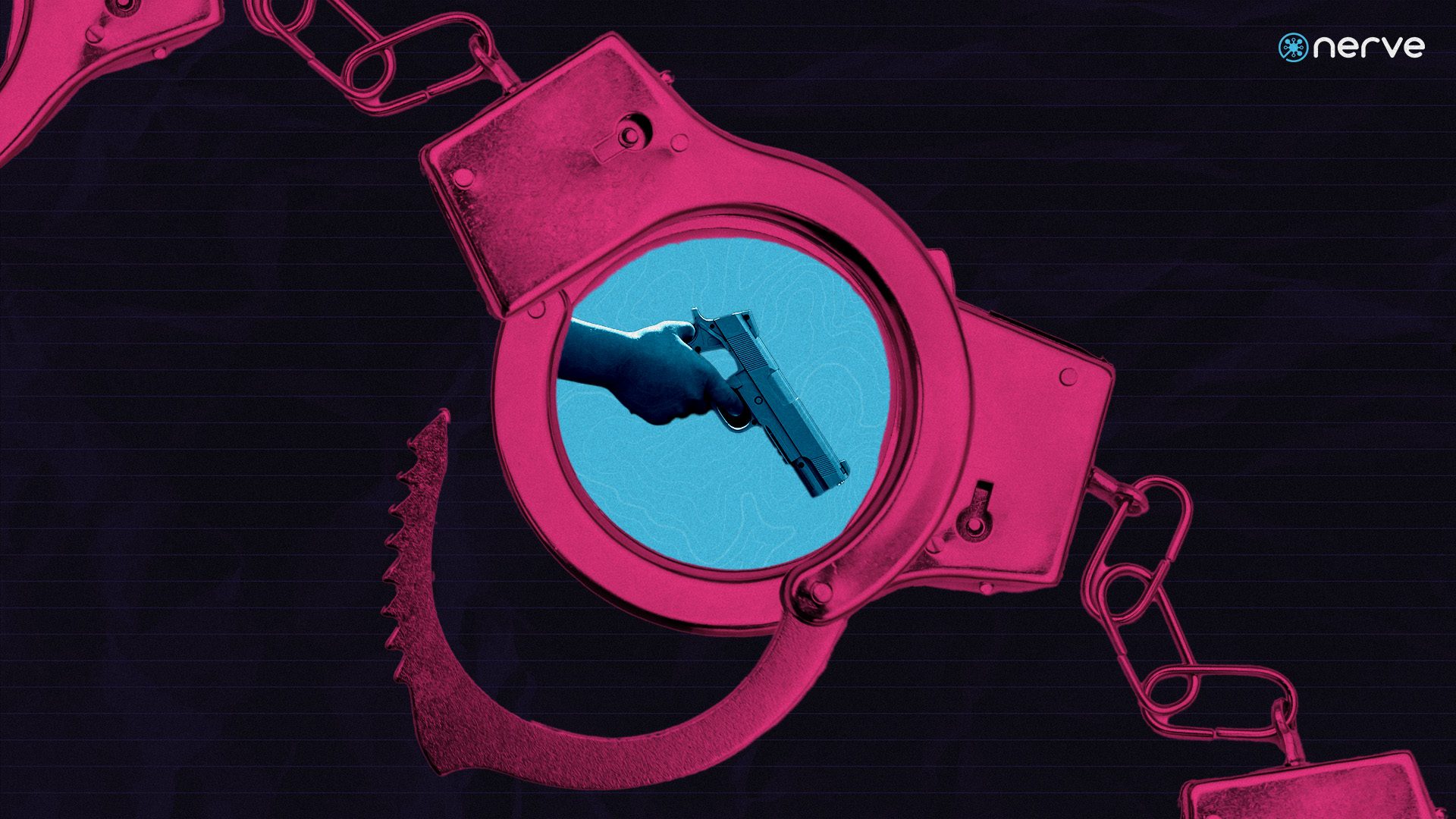
Following the tragic school shooting in Tacloban City on June 22, which left three dead and over 20 injured, a wave of digital disinformation has swept across Facebook. Data forensics firm The Nerve analyzed over 9,000 public posts regarding the incident, revealing a coordinated effort to misrepresent the Juvenile Justice and Welfare Act of 2006 (RA No. 9344). These misleading narratives falsely claim that the law provides “impunity” for minors involved in violent crimes, effectively suggesting they will face no consequences for their actions.
The disinformation campaign has explicitly targeted Senator Kiko Pangilinan, the sponsor of the original 2006 law and its 2013 amendments. Despite Pangilinan publicly affirming that the minors must undergo the mandatory legal process, social media accounts aligned with the Duterte faction have aggressively blamed him for the shooting. The rhetoric has been amplified by influential figures, including expelled congressman Kiko Barzaga, who utilized the tragedy to spread demonstrably false claims that the law prevents the apprehension of juvenile offenders.
The online assault has extended beyond mere text-based misinformation into the realm of synthetic media. Several Facebook groups supporting Vice President Sara Duterte have circulated AI-generated images depicting Senator Pangilinan and Senator Risa Hontiveros alongside the minors behind the shooting. This visual fabrication aims to solidify a false association between opposition lawmakers and the perpetrators, further fueling public outrage and redirecting frustration away from the systemic causes of the violence.
Legal experts and local authorities have moved to debunk these claims, noting that the law indeed subjects Children in Conflict with the Law (CICLs) to mandatory intervention programs or criminal proceedings depending on the circumstances. Tacloban City police confirmed that cases have already been filed against the students involved, directly contradicting the viral posts asserting that the children would simply “walk away.” Criminology experts, such as Professor Raymund Narag, emphasize that the public’s confusion stems from a misunderstanding of “accountability,” which many incorrectly equate solely with incarceration.
The fallout from the shooting has also served as a catalyst for renewed legislative efforts to lower the minimum age of criminal responsibility, a controversial topic long championed by the Duterte administration. Posts endorsing Senator Robin Padilla’s proposal to reduce the age to 10 have garnered significant engagement, mirroring earlier campaigns from the former president. These movements seek to replace rehabilitative approaches with a strictly punitive framework, despite widespread criticism from rights organizations.
Human rights advocates, including those from Amnesty International, have cautioned against exploiting a tragedy to push policy changes that academic research suggests could increase recidivism. They argue that lowering the age of criminal liability treats the symptoms of societal harm rather than addressing the root causes, such as the accessibility of weapons and the vulnerabilities of youth. As the investigation into the Tacloban incident continues, the spread of this disinformation remains a significant challenge to public discourse and informed policy-making.


