


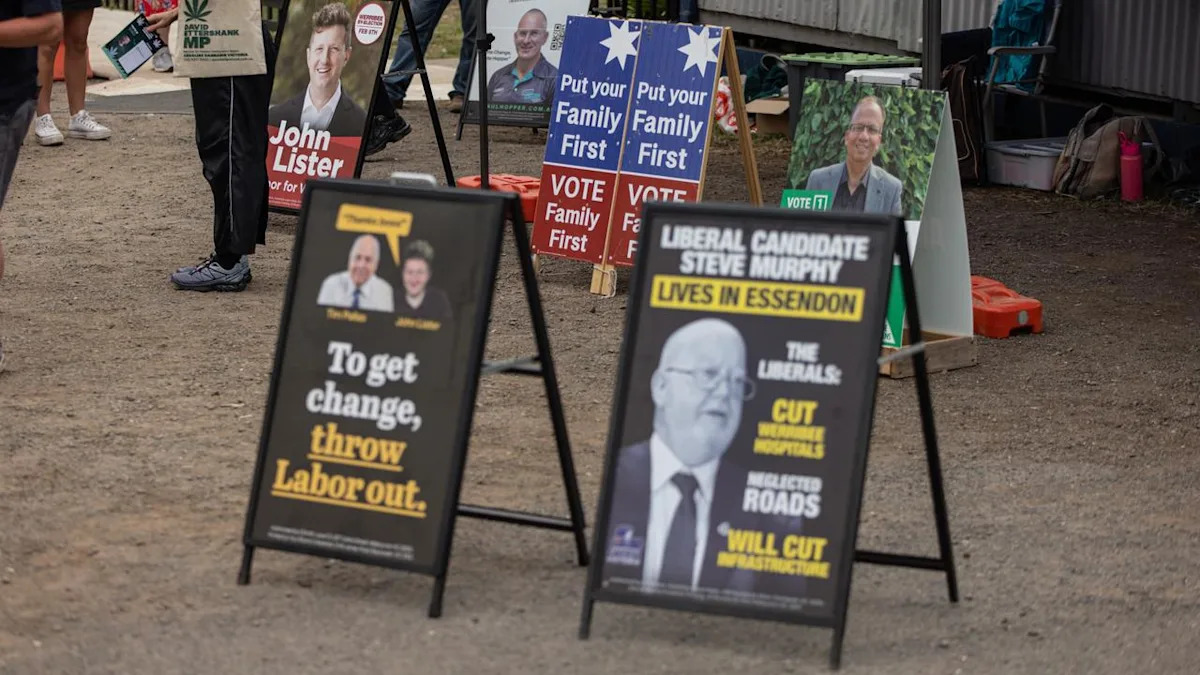
The surge in AI-generated political deepfakes and an alarming decline in public trust have prompted Independent MP Zali Steggall to launch a significant new legislative push for “Truth in Political Advertising” laws. Steggall, who plans to table the bill on Monday, argues that there is broad, bipartisan support for these reforms, asserting that voters of all political persuasions are weary of the current state of deceptive campaigning. By establishing a formal code of ethics and an enforcement board, the proposed legislation aims to curb the rampant spread of misinformation and restore faith in the democratic process.
Central to the proposed bill is the creation of a political advertising standards board tasked with ensuring that all electoral advertisements are truthful, accurate, and supported by concrete evidence. The bill specifically addresses the rapid proliferation of synthetic media by mandating that any content generated by artificial intelligence must be clearly labeled as such. This measure is intended to provide voters with the clarity needed to distinguish between genuine political messaging and deceptive digital fabrications that threaten to distort the public perception of candidates and policies.
The legislation could have immediate, high-stakes consequences for parties currently utilizing aggressive or synthetic advertising tactics, such as One Nation’s “fire the liar” campaign. That initiative, which has raised nearly $5 million, features AI-generated imagery, including a depiction of the Prime Minister gazing at the Sydney Opera House lit with protest slogans. Under Steggall’s proposed framework, non-compliant advertisements—or those deemed “misleading and deceptive”—could be ordered for removal or alteration, with parties facing potential fines of up to $300,000 for failing to adhere to these new standards.
While aiming for strict regulation, the bill attempts to strike a balance between curbing dishonesty and protecting political free speech. Steggall emphasized that the legislation would not prevent campaigners from expressing opinions or criticizing opponents, provided those claims can be substantiated. “If it’s portrayed as a matter of opinion, it’s permissible,” she noted. The bill is narrowly focused on electorally authorized materials, meaning it would not regulate the day-to-day public statements or informal remarks made by politicians, shielding traditional political discourse from direct oversight by the proposed board.
The urgency of this reform is underscored by recent political history, particularly the debates surrounding the Indigenous Voice to Parliament referendum, which was marred by widespread factual inaccuracies. Polling from the Australian Democracy Network reveals that 70 percent of Australians support the introduction of truth in political advertising laws, making it the most favored reform among voters compared to other measures like donation caps. This overwhelming public appetite for regulation highlights a growing consensus that the current “wild west” environment of political advertising is no longer sustainable for a healthy democracy.
This effort marks Steggall’s fifth attempt since 2021 to secure these reforms, following the government’s previous decision to abandon its own legislation after concerns were raised by the Australian Electoral Commission (AEC). The AEC had warned that adjudicating political content could undermine its carefully guarded reputation for impartiality. Steggall believes her new proposal addresses these concerns by shifting the burden of enforcement from the AEC to an independent standards board, effectively removing the government’s primary excuse for inaction and placing the responsibility squarely on Parliament to act.