









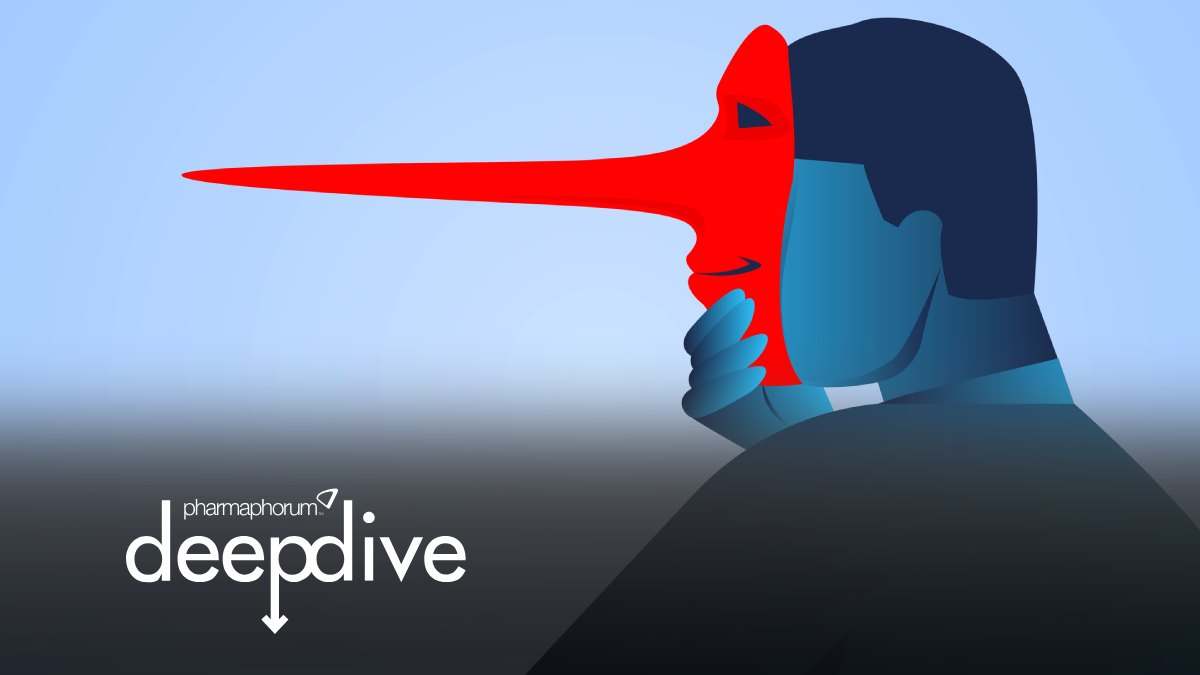
The landscape of medical misinformation has undergone a dramatic transformation in recent years, shifting from broad, vague conspiracy theories toward highly sophisticated, personalized narratives. Historically, those spreading medical falsehoods relied on generalized promises of “miracle cures” or unfocused skepticism toward the medical establishment. Today, however, the digital ecosystem allows for the surgical targeting of patients based on their specific cancer diagnoses, disease stages, and individual vulnerabilities. By exploiting personal fears and specific clinical anxieties, purveyors of misinformation create content that feels tailor-made for the reader, making it increasingly difficult for patients to distinguish between empathetic advice and dangerous pseudoscience.
Social media platforms serve as the primary engine behind this trend, as algorithms are fundamentally designed to amplify content that triggers deep emotional responses. In the context of a cancer diagnosis, the desire for hope—or the fear of conventional treatment side effects—is a powerful motivator for engagement. A sensationalized video promising that a particular diet or supplement can kill cancer cells is often prioritized by platform algorithms due to its high shareability, spreading to millions of users with viral speed. By the time evidence-based medical experts or oncologists can review and debunk these claims, the misinformation has already cemented itself in the public consciousness, often creating a hurdle for doctors trying to guide their patients toward scientifically sound care.
The difficulty in navigating this environment is compounded by the increasingly porous boundary between legitimate wellness advice and outright misinformation. It is well-documented that nutrition, exercise, stress management, and supportive care are vital components of a holistic approach to cancer treatment. However, bad actors frequently weaponize these “kernels of truth.” By taking valid scientific discussions about, for example, the health benefits of antioxidants or fasting, and reframing them as total replacements for chemotherapy or surgery, they provide a veneer of credibility to inherently dangerous advice. This creates a challenging clinical dynamic where patients are encouraged to trade life-saving, evidence-based treatments for supportive lifestyle interventions that are presented as sufficient cures.
The integration of artificial intelligence into the patient journey has added yet another layer of complexity to this ecosystem. On a positive note, AI-powered tools have empowered many patients, allowing them to research their diagnoses, understand terminology, and arrive at consultations significantly better prepared to advocate for their own care. This enhanced digital literacy can foster more robust, shared decision-making processes between oncologists and patients, as patients feel more engaged and informed. Ideally, these tools serve as a bridge to understanding the nuances of a complex treatment plan.
Despite these benefits, AI tools suffer from a critical limitation: the profound lack of clinical context. AI models are trained on vast datasets of general information, but they cannot account for the highly personalized nuances of an individual’s medical profile—such as their specific tumor stage, genetic mutations, previous treatment history, or underlying comorbidities. When patients attempt to apply generalized AI-generated suggestions to their specific, complex medical situations, the disconnect can be profound. Without the guidance of a trained oncologist, these technologies may provide information that is factually accurate in a vacuum but clinically irrelevant or harmful when applied to a unique personal diagnosis.
Ultimately, the confluence of targeted social media content and context-free AI advice necessitates a new approach to patient communication. The rise of these digital tools makes the human relationship between the patient and their care team more vital than ever before. To mitigate the risks of modern misinformation, medical providers must proactively guide their patients in navigating these information environments, helping them discern between complementary wellness strategies and hazardous replacements for evidence-based medicine. By fostering an environment where patients feel comfortable discussing what they have read or learned online, clinicians can ensure that technological progress supports, rather than replaces, the high-quality, personalized care required for effective cancer treatment.


