







As the nation approaches the upcoming midterm elections, a troubling reality has emerged within the federal government: the systematic dismantling of the very infrastructure designed to defend American democracy from foreign interference. Despite persistent warnings from intelligence agencies about the intent of nations like Russia, China, and Iran to sway domestic political outcomes, the current administration has spent the past year aggressively slashing staff and shuttering specialized units tasked with detecting and disrupting disinformation. This strategic retreat from the front lines of information warfare has left the U.S. electoral process alarmingly vulnerable at a moment when foreign adversaries are utilizing increasingly sophisticated technological armaments.
The core of the issue lies in the administration’s decision to hollow out the expertise and institutional memory built over the last decade. Following the revelations of foreign influence in both presidential and congressional races throughout 2024, the logical path forward would have been to fortify existing guardrails. Instead, the administration has pursued a policy of retrenchment. By curtailing budgets and dismissing personnel across a spectrum of essential agencies—including the Office of the Director of National Intelligence (ODNI), the FBI, and the Cybersecurity and Infrastructure Security Agency (CISA)—the government has effectively hamstrung its own ability to identify and mitigate state-sponsored propaganda.
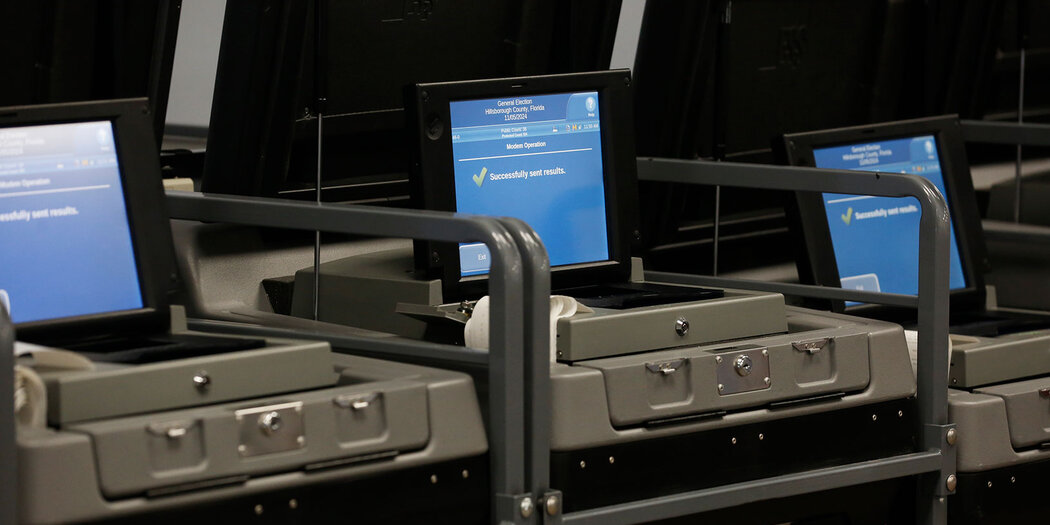
The urgency of this vulnerability is amplified by the rapid evolution of information warfare. While fears regarding the physical tampering of voting machines have remained unsubstantiated, the danger posed by foreign-led disinformation campaigns is well-documented and escalating. The rise of generative AI has acted as a force multiplier for hostile actors, allowing foreign entities to produce high-quality deepfakes, automate the creation of hyper-realistic fake news narratives, and deploy decentralized bot networks with unprecedented reach. By leaving these threats unmonitored, the government is essentially ceding the digital battlefield to adversaries who are incentivized to exploit political divisions within the American electorate.
The scale of these personnel losses is staggering. Between January and August 2025, the ODNI saw a 30 percent reduction in its workforce, followed by further cuts to the Foreign Malign Influence Center, an office previously instrumental in tracking influence operations. These duties have been fragmented across various offices, diluting their effectiveness. Similarly, the FBI quietly shuttered a specialized task force dedicated to investigating foreign deception and coordinating with state and local election officials. These losses are not merely administrative; they represent the removal of the specialized human intelligence and analytical capabilities required to differentiate between organic political speech and foreign-directed psychological operations.
The erosion of institutional capacity extends to the infrastructure of cybersecurity and public diplomacy as well. CISA has seen roughly a third of its staff depart or be reassigned, including key personnel tasked with monitoring foreign disinformation campaigns. This degradation is compounded by the closure of the State Department’s Global Engagement Center, which served as a critical hub for identifying and coordinating responses to state-sponsored propaganda from the likes of Moscow, Beijing, and Tehran. With more aggressive budgetary cuts on the horizon, the government’s protective posture is being systematically dismantled, leaving a void where robust analysis and inter-agency cooperation once stood.
Moving forward, the federal government remains technically better positioned than the private sector or individual states to detect large-scale foreign operations, yet that structural advantage is rapidly eroding. To recover from this state of under-preparedness, the burden of protection must shift toward a wider, more collaborative network. Robust defense against foreign influence will now necessitate unprecedented coordination between independent researchers, nonpartisan organizations, and state-level election officials. While the government attempts to navigate the consequences of these deep cuts, the resilience of the upcoming midterm elections will depend heavily on the ability of these external partners to fill the gaps left by a retreating federal apparatus.


