







The Dual Crisis: Misinformation Threatens Ebola Response in the DRC
The Democratic Republic of the Congo (DRC) is currently facing a perilous dual challenge as it combats its 17th Ebola outbreak since 1976. While the virus itself poses a severe health threat with a mortality rate of up to 50%, international health organizations are finding that the spread of dangerous misinformation is equally destructive. Since the outbreak began on May 15, Ebola Treatment Centers (ETCs) have become sites of conflict, facing protests, arson, and mob attacks. These incidents are fueled by pervasive rumors, including claims that the disease is a hoax orchestrated by humanitarians to seize land or that staff are harvesting organs from deceased patients, ultimately stalling critical containment efforts.
Stigma remains a primary driver of resistance, as the necessary practice of patient isolation is often misinterpreted by the public. Dr. Abdou Sebushishe, Senior Global Health Advisor for the International Medical Corps, explains that when patients are isolated to ensure proper treatment and prevent further transmission, local communities frequently victim-blame, viewing the ill as “the problem.” Fearing isolation and the subsequent social ostracization, many symptomatic individuals are choosing to hide their conditions rather than seek care. This choice tragically keeps them within their households, where they remain at high risk of death while serving as vectors for viral transmission to their families and neighbors.
The persistence of these rumors stems in part from a lack of consistent, long-term public health communication in the region. Because many areas in the Ituri and Kivu provinces are newly exposed to the virus, and because previous awareness structures are often dismantled once an outbreak fades, there is a systemic void in education. With communities relying heavily on radio as their primary source of news, the absence of ongoing public health messaging leaves a vacuum quickly filled by fear and conspiracy theories. Without a permanent commitment to community education, the cycle of ignorance and panic continues to repeat with each new surge of the virus.
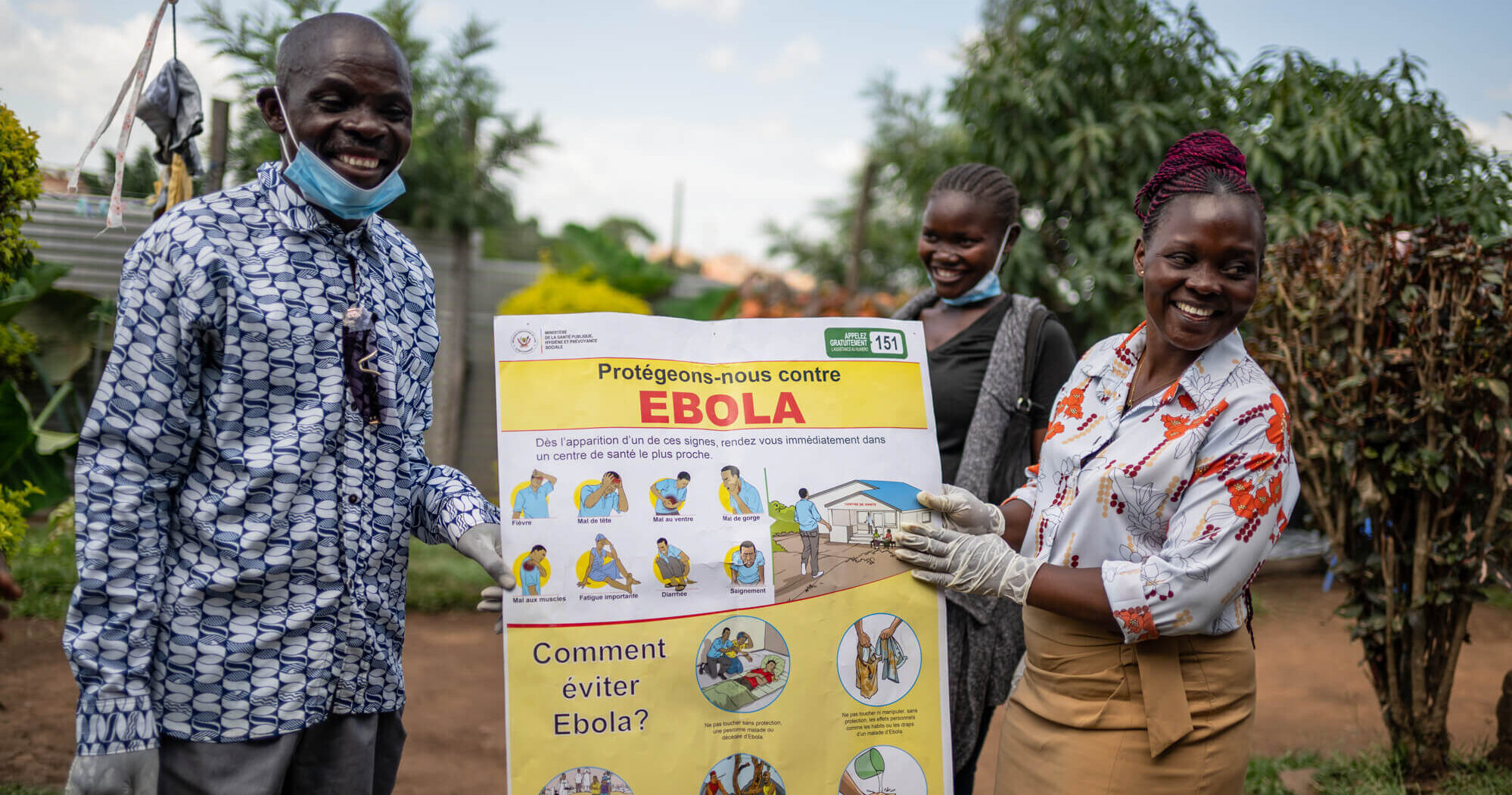
To bridge this gap, organizations like the International Medical Corps are leveraging the power of local trust through Community Health Workers (CHWs). Recognized as the most credible messengers within their villages, these workers are vital for door-to-door education, though their efforts are often hampered by the broader, chronic weaknesses of the national health system. Currently, the International Medical Corps is working to professionalize these networks, providing them with the resources to act as a permanent bridge between clinical reality and community perception. By activating these trusted local voices, health agencies hope to replace conspiracy with accurate data regarding symptom identification and prevention.
Transparency has also become a cornerstone of the medical response, with teams actively involving community leaders at every stage of the pandemic infrastructure. Before construction begins on new ETCs, planners host local, influential leaders to explain the facility’s operations, the necessity of isolation, and why family visits are restricted. By collecting ongoing feedback, the health teams can listen to the rumors circulating in real-time and provide leaders with specific counter-messaging to address these myths. This collaborative approach attempts to demystify the medical process and combat the deep-seated fears that lead to clinical avoidance and violence.
Finally, the fight against misinformation is bolstered by the voices of those who have survived the disease. These survivors act as living proof that Ebola treatment works and that the healthcare system is a place of healing rather than a site of harm. By sharing their personal narratives—from the onset of symptoms to their eventual recovery behind the isolation walls—they provide a relatable, credible perspective that outsiders simply cannot replicate. As the DRC continues to navigate this outbreak, the path forward rests on these collective efforts to replace systemic fear with transparency, ensuring that communities are empowered by truth rather than crippled by silence.


