




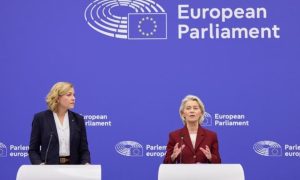





The French government has launched a high-level investigation into an Israeli firm, BlackCore, amid serious allegations that the company has orchestrated sophisticated digital interference operations across international borders. During a press conference held this Thursday, officials from France’s disinformation detection agency, Viginum, identified a pattern of covert online activities that purportedly targeted political candidates and electoral processes in several countries. Prime Minister Sébastien Lecornu, who stood alongside Viginum head Marc-Antoine Brillant, highlighted the gravity of these findings, characterizing the firm’s activities as a direct threat to the integrity of democratic elections.
According to the forensic report presented by Viginum, BlackCore’s influence operations were not confined to a single region but instead spanned multiple continents. Investigators specifically cited digital meddling in the politics of Angola and Togo, as well as operations linked to the 2025 municipal elections in New York City and various electoral processes within Scotland. By utilizing a consistent and highly coordinated modus operandi, the firm allegedly deployed online smear campaigns intended to destabilize specific political figures, thereby raising significant questions about the potential for private entities to reshape public opinion and manipulate voter sentiment on a global scale.
The investigation into the company began after Viginum identified a series of targeted online attacks against three mayoral candidates in French local elections. These candidates, all affiliated with a pro-Palestinian political party, were subjected to coordinated disinformation efforts that triggered a deeper probe into the origins of the digital onslaught. Viginum’s findings suggest that these French municipal incidents were merely a fragment of a broader global strategy, leading the French government to demand formal explanations from Israeli authorities regarding the origin, purpose, and beneficiaries of BlackCore’s activities.
One of the most concerning revelations from the Viginum report involves the targeting of John Swinney, the First Minister of Scotland. The report details how accounts linked to BlackCore were utilized to launch campaigns against Swinney, largely in response to his vocal pro-Palestinian policy positions. Similarly, the investigators highlighted interference in New York City’s municipal elections, where campaigns associated with Zohran Mamdani—another politician known for supporting Palestinian interests—appeared to be the focus of the firm’s digital tactics. These targeted operations underscore a clear preference for manipulating discourse around sensitive geopolitical issues to influence the electoral success of specific candidates.
Despite the comprehensive nature of the forensic data collected, the identity of the entities bankrolling BlackCore remains a mystery. Marc-Antoine Brillant confirmed that the current investigation has yet to determine whether the firm acted independently or if it functioned as a hired subcontractor for state-level or private sponsors. The absence of a confirmed patron adds a layer of complexity to the diplomatic impasse, as the international community now grapples with the fallout of a shadow industry that specializes in “information warfare,” a service BlackCore openly advertised online before abruptly shuttering its websites in the wake of the mounting scrutiny.
In response to the French government’s urgent inquiries, the Israeli embassy in Paris issued a statement confirming that it would incorporate the French findings into its own internal investigation. The embassy forcefully stated that the Israeli government itself had no involvement in and no intention of interfering in French electoral processes. As the probe continues, international authorities remain on high alert, assessing the extent to which other political campaigns may have been compromised by similar private firms. For now, the case of BlackCore stands as a stark warning about the rising trend of privatized foreign interference in the modern digital age.


