









The agriculture industry is currently grappling with a crisis of public trust, leading stakeholders like Clinton Monchuk of Farm and Food Care Saskatchewan to urge individual farmers to combat rampant misinformation by sharing their daily practices on social media. Proponents of this “radical transparency” approach suggest that if farmers openly document tasks—from livestock management to crop harvesting—consumers will better understand the necessity and ethics of modern food production. However, this strategy targets the small-holder farmer at a time when the agricultural landscape is undergoing drastic structural shifts, characterized by the rapid decline of family farms and the rise of massive, industrial-scale operations across North America.
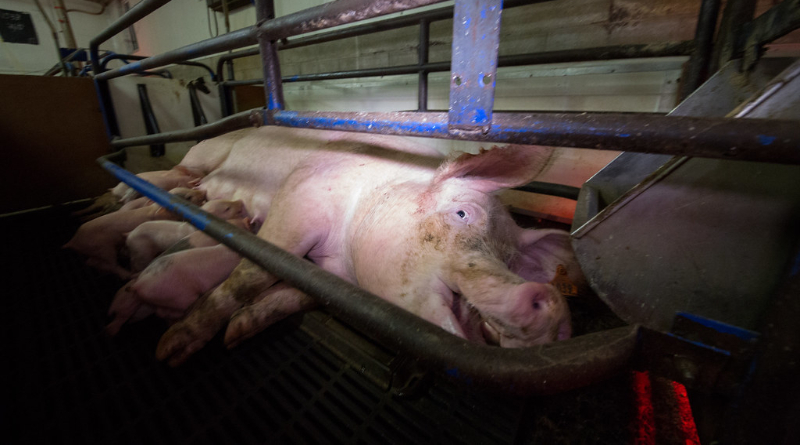
Critics argue that simply asking individual farmers to post “feel-good” content on social media is an insufficient response to the systemic complexities of food disinformation. A critical examination of media sources reveals that such calls for transparency are often sponsored by industry giants, such as the pork producers behind Farmscape. Examining the practices of industry leaders like Smithfield highlights the disconnect between marketing narratives and reality; while these companies may adopt minor sustainability measures like on-site wind energy, they continue to face immense scrutiny for environmental disasters, such as flooded waste lagoons, and the cruel conditions inherent in large-scale animal confinement.
Beyond social media perceptions, there is a scientific imperative to shift the transparency dialogue toward climate performance and land use. Research by Luigi Mariani and Aldo Ferrero suggests that true agricultural literacy must prioritize metrics like productivity and land-use efficiency rather than just direct greenhouse gas emissions. According to this perspective, protecting forests from agricultural conversion and investing in “sustainable intensification” are the most effective ways to reconcile global food security with climate mitigation. Experts like organic farmer Kaitlyn Kimball emphasize that the challenges facing small farms—such as tariffs, market instability, and corporate consolidation—are far too complex to be resolved by individual social media posts.
To address these deeper structural issues, some analysts propose shifting the focus from corporate or individual marketing to direct political action. Chris Armitage suggests a “scaffolded approach” to reform, where citizens use persistent, multi-channel communication to hold government officials accountable for food policy decisions. By systematically contacting district offices through letters, emails, phone calls, and in-person visits, constituents can move beyond passive consumption of information and instead force power brokers to address the systemic factors that disadvantage sustainable farmers and compromise environmental health.
Effectively navigating this era of misinformation also demands a revolution in how the public consumes food journalism. Modern food media has become increasingly reliant on search engine optimization, AI-generated summaries, and advertiser-driven incentives, often at the expense of the in-depth, investigative reporting that once provided context to our food systems. As former food journalists note, the future of accurate, trustworthy information lies in fostering closer relationships between reporters and reader communities, prioritizing accountability over algorithm-chasing content.
In conclusion, achieving true food literacy requires a move away from superficial, narrative-based transparency and toward a more rigorous, systemic understanding of the food industry. By becoming more critical readers of digital content and engaging in persistent political advocacy, consumers can better grasp the intersection of health, climate change, and public trust. Ultimately, this enhanced level of consciousness is not just about choosing where to buy food, but about demanding accountability from the institutions that define the future of our global food chain.


