



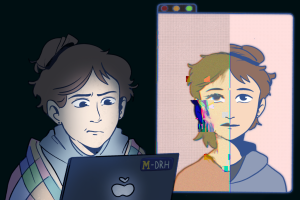





The rise of anonymous social media accounts has created a digital environment where misinformation and inflammatory rhetoric thrive without consequence. Across various local community groups, pages operated by faceless entities—often sporting patriotic monikers or obscure aliases—have begun to hold more sway over public opinion than verified journalists, stakeholders, or officials who sign their names to their work. This trend of digital “graffiti artists” exploiting the internet to stir controversy highlights a dangerous decline in civic discourse, where legitimate debate is replaced by the performative outrage of nameless keyboard warriors who lack the courage to stand behind their claims.
These anonymous pages frequently rely on a predictable blueprint: they curate sensationalist content, strip away necessary context, and pose provocative, open-ended questions designed to bait users into heated arguments. By gamifying outrage, these operators prioritize engagement over accuracy, knowing that the platform’s algorithm rewards conflict regardless of whether the information is rooted in truth. Consequently, communities are becoming increasingly polarized by propaganda that is intentionally designed to trigger anger, a tactic that often masks the hidden motives or political agendas of the individuals lurking behind the keyboard.
A critical lack of skepticism regarding the source of information has allowed these faceless accounts to gain undue influence. To combat this, the community must shift its focus away from the content of these incendiary posts and instead scrutinize the entities behind them. Citizens should demand accountability by asking key questions: Who manages these pages? Do they have business interests or political ambitions? Are they local members of the community, or are they external agitators? When a platform offers no real names, no verifiable history, and no transparency, it loses its right to be viewed as a legitimate source of credible news.
The disparity in accountability between these actors and established figures is glaring. In professional and public life, journalists, business owners, and local candidates put their names and reputations on the line to inform the public. In contrast, anonymous pages frequently employ deceitful tactics, such as citing “sources” that don’t exist, using manipulated media, or blocking those who dare to ask legitimate questions. This environment, where “fake accounts” hold more weight than documented facts, is particularly dangerous as technology like AI makes the synthesis of misinformation easier and more convincing than ever before.
To combat the infestation of bad actors, the public must recognize that their attention is the primary currency of the internet. Every click, share, and comment serves to boost the visibility of negative content, rewarding trolls with the one thing they crave most: validation through engagement. By treating these anonymous pages with the same lack of interest one would afford a suspicious, unverifiable advertisement, users can starve these entities of their influence, effectively stripping them of the power they have wielded to manipulate the local narrative.
Ultimately, credibility is a byproduct of accountability, and true influence should never be rooted in the shadows. While there are rare instances where anonymity is necessary for legitimate whistleblowers, it is not a shield for those who aim to stir chaos and disparage neighbors or businesses under the guise of community oversight. The solution is simple: if an individual or group wants their opinions to carry weight, they must step out from behind the curtain. Until they are willing to put their names on their work, their contributions should be rejected, signaling that the community will no longer tolerate misinformation masquerading as news.


