



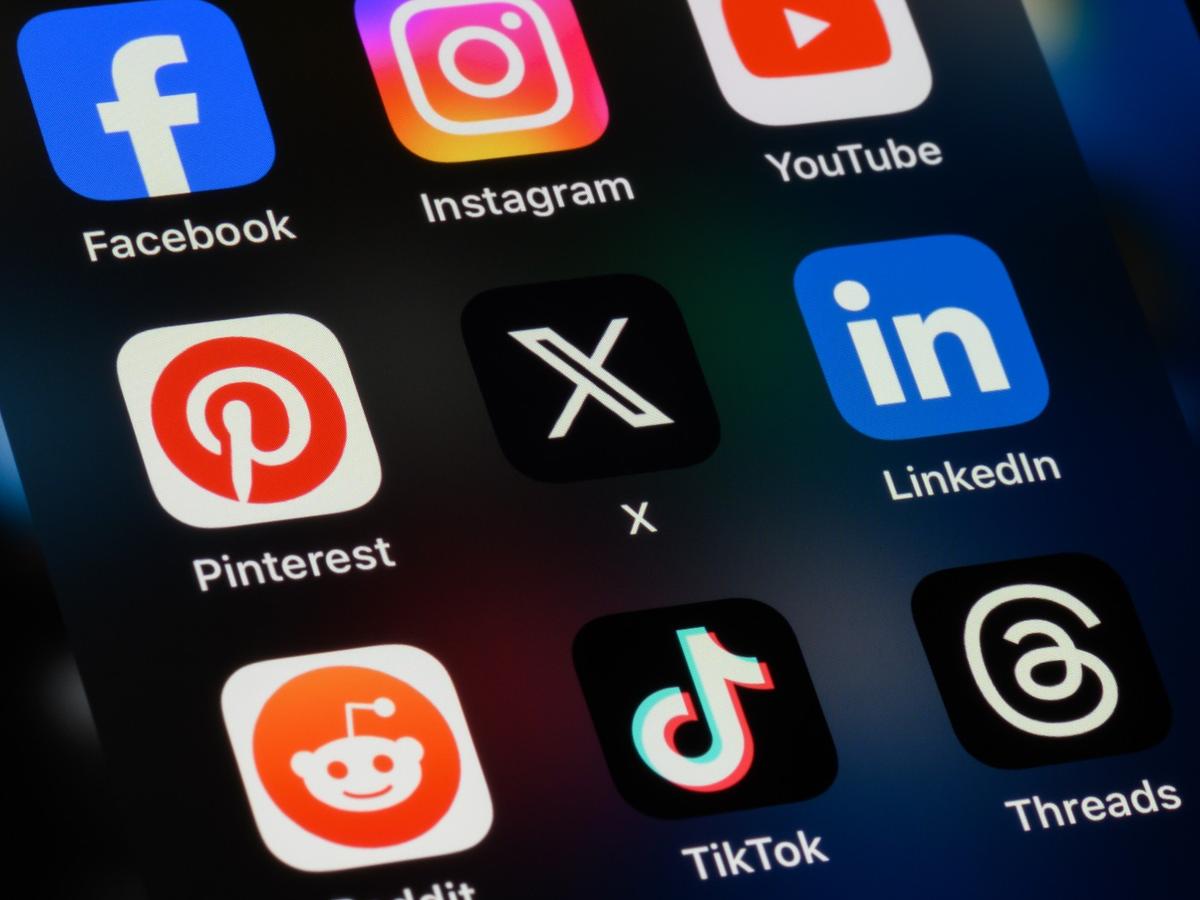
In 2016, RAND researchers famously characterized Russian interference in American public discourse as a “firehose of falsehood”—a strategy defined by a high volume of repetitive, deceptive content. While this framework helped define the modern era of information warfare, the transparency that once allowed researchers to track such campaigns has severely eroded. In 2024, the digital landscape has become significantly more opaque: platforms like X and Reddit have moved to end free access to data for researchers, while tools like Meta’s CrowdTangle—once vital for monitoring real-time trends—have been shuttered or replaced with inaccessible alternatives. As TikTok’s dominance continues to grow alongside its inherent lack of transparency, the academic and journalism communities find themselves increasingly blinded, unable to map the current flows of misinformation as effectively as they did during the 2020 or 2022 election cycles.
This decline in platform accountability arrives exactly as the mechanics of disinformation are shifting toward more decentralized and subtle vectors. The era of blatantly automated bot networks is giving way to a reliance on the influencer economy. Recent investigations, including reporting from the BBC and allegations leveled by the U.S. Department of Justice, suggest that foreign actors are increasingly leveraging influential figures to act as conduits for propaganda. This transition is not merely incidental; it is a tactical pivot. Influencers possess a level of parasocial trust that automated accounts lack, making them highly effective vehicles for disseminating divisive content. Furthermore, the political climate surrounding content moderation has become so volatile that organizations studying these abuses, such as the Stanford Internet Observatory, have faced intense pressure and personnel attrition, effectively silencing the watchdogs tasked with exposing these tactics.
The most concerning aspect of this shift involves the move toward “micro-influencers.” While headlines often focus on massive personalities, research suggests that creators with smaller, hyper-engaged followings are often more persuasive and cost-effective for political operatives. These creators—who fall well below the reach of Meta’s new, restrictive monitoring tools—operate in a largely unregulated gray market. In this environment, influencers are being recruited, sometimes unwittingly, to inject narratives into niche demographics where they are least likely to face mainstream correction. Because these creators do not require the same verification labels or followings as celebrities, they remain invisible to the public and researchers alike, creating a perfect blind spot for those seeking to manipulate U.S. voter sentiment without detection.
Artificial intelligence is often cited as the primary threat to the modern information ecosystem due to its ability to generate high-quality, deceptive media at scale. However, the true bottleneck for bad actors has never been the content itself, but rather the distribution. By using influencers, foreign propagandists ensure that their “firehose” of content bypasses traditional advertising scrutiny and platform moderation. The current lack of regulation in the influencer space makes it an incredibly attractive alternative to the digital advertising models that platforms cracked down on after 2016. Consequently, as the tools for detection shrink, the vectors of influence are becoming more human, decentralized, and difficult to track, leaving the gap between foreign interference and public awareness wider than it has ever been.
In the face of this systemic vulnerability, experts are increasingly pointing toward “prebunking”—the proactive education of the public on the tactics underlying disinformation—as the most viable policy response. Unlike active content moderation, which is often viewed as politically partisan, prebunking focuses on the mechanics of deception rather than the ideology of the message. Tactics like the creation of “pink slime” sites—fictitious, American-sounding news outlets—are utilized by political factions across the spectrum. By educating the public on how to identify these structural patterns of falsehood, policymakers could build societal resilience without needing to adjudicate the partisan validity of individual claims. Despite its potential, major tech entities are hesitant to implement these campaigns in the U.S., fearing that even neutral educational efforts could be framed as political interference.
Ultimately, the goal of future policy must be to bridge the current disconnect between the evolution of disinformation and our ability to mitigate it. While we cannot return to the era of total platform transparency, we can mitigate the damage by fostering a more media-literate public and pressing for data access that enables essential research. Policymakers must prioritize initiatives that shine a light on the tactical playbook of propagandists—such as the use of fake news entities and influencer recruitment—rather than debating the narratives themselves. In an age where digital manipulation has become more human and localized, our primary defense must be the development of a public that is immunized against the strategies of deception, regardless of which side of the political aisle those strategies originate from.