







The integrity of the United Kingdom’s democratic process is facing an existential crisis as the rapid proliferation of artificial intelligence (AI) threatens to overwhelm the public’s ability to distinguish fact from fiction. According to a landmark report by the fact-checking charity Full Fact, the UK’s information landscape is under “immense and increasing strain,” leaving voters vulnerable to manipulation. The report highlights a staggering statistic: only 3 per cent of the British public feels confident in their ability to identify whether a piece of online video content is genuine or AI-generated, fostering an environment where misinformation thrives unchecked.
This technological shift has created a dangerous reality for the electoral process, compounded by a regulatory framework that experts describe as dangerously outdated. Full Fact points to a surge in AI-assisted disinformation, noting that the number of fact-checks involving suspected AI manipulation rose from four in November 2024 to at least 27 by October 2025. This explosion of synthetic content, including “political deepfakes”—fabricated videos, images, and audio recordings—is already influencing major electoral contests. With nearly one in three UK adults having been exposed to political deepfakes in the lead-up to recent English local elections, the urgency for legislative reform has never been greater.
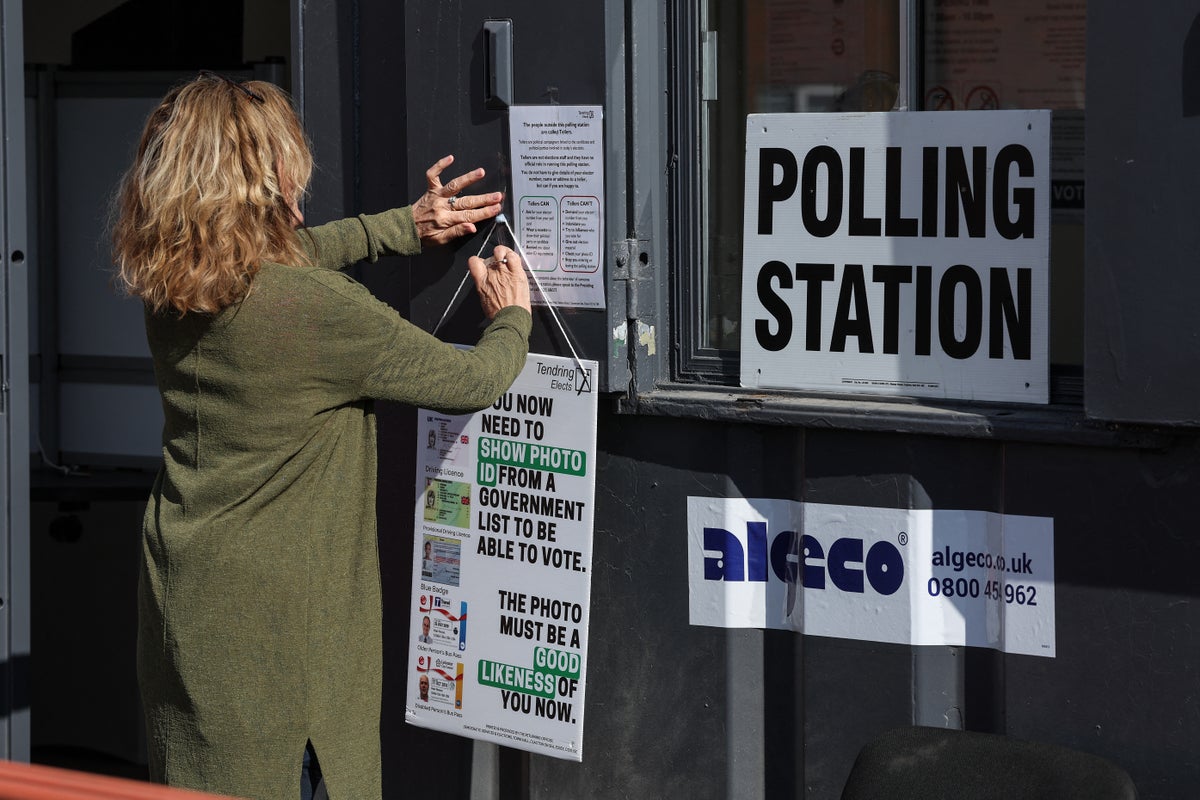
The upcoming by-election in Makerfield serves as a sobering case study for these risks, as an increasingly anxious electorate struggles to parse legitimate discourse from manufactured falsehoods. YouGov polling commissioned for the report reveals that 80 per cent of citizens are worried about the impact of political misinformation, with nearly half of the population explicitly stating that such deceptive content has eroded their trust in core national institutions, including Parliament and the government. As two-thirds of the public feel that ministers are failing to take sufficient action, the democratic foundation upon which the UK relies is showing significant signs of decay.
Full Fact warns that without immediate and systemic government intervention, the UK risks falling behind international peers who are already adopting more robust, coordinated approaches to transparency and accountability. The charity argues that the government has repeatedly missed opportunities to implement necessary safeguards, such as strengthening electoral laws to require clear disclaimers on deepfakes and creating a comprehensive, mandatory public library for political advertisements. By continuing to rely on a piecemeal, reactive strategy, the UK risks allowing future elections to be defined by public confusion rather than informed, democratic debate.
The dangers of inaction are not merely theoretical; they are evidenced by recent events like the Irish presidential election, where a false, AI-generated claim that candidate Catherine Connolly had withdrawn appeared just days before the vote. Similar instances of disinformation regarding sensitive topics like the economy, crime, and immigration are becoming increasingly prevalent. Furthermore, the report highlights the failure of existing AI systems and search engines, which have been found to repeat debunked claims and produce contradictory information, further complicating the public’s ability to reach a shared understanding of crucial social issues.
Looking forward, Full Fact urges the government to enact a new legislative package that assigns legal duties to social media platforms to foster digital literacy and empowers the Electoral Commission to proactively combat disinformation. The charity suggests that proactive government communication—such as the rapid clarification of facts by authorities during volatile events—can successfully mitigate the influence of viral falsehoods. Ultimately, the report concludes that the survival of a healthy democracy in the age of AI depends on ensuring that citizens can recognize reality, trust their institutions, and make decisions based on accurate, verified information before the next general election.


