








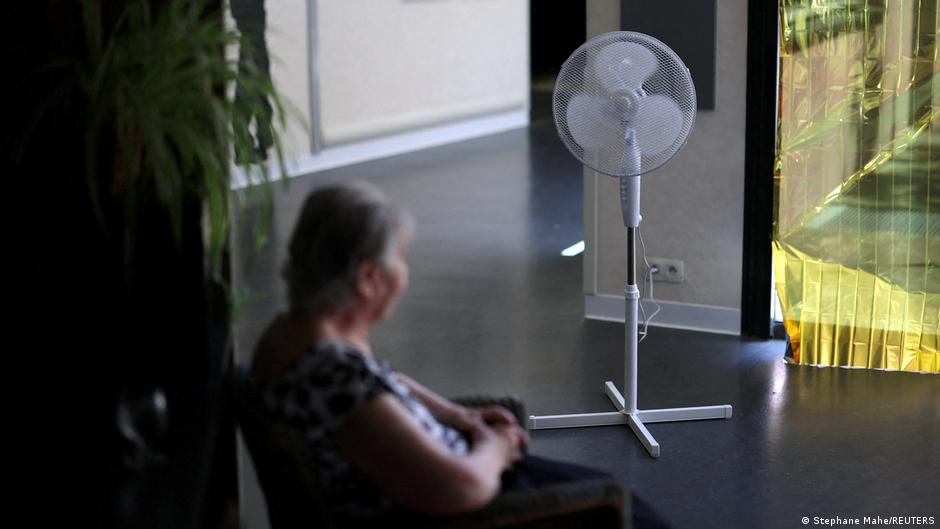
As Europe grapples with a brutal heatwave that has seen temperatures soar past 40 degrees Celsius (104 degrees Fahrenheit), the continent is facing a dual crisis: a physical threat to public health and an atmospheric storm of online disinformation. France has been hit particularly hard, setting record temperatures that have crippled electrical grids, while tragic reports indicate that over 55 people have drowned as residents desperately sought refuge in bodies of water to escape the sweltering conditions. Experts like Anna Siewiorek, Head of Climate Disinformation Resilience at the Climate & Strategy Foundation, warn that this vulnerability is being exploited by purveyors of false information who target the public’s inherent fears regarding their health, safety, and economic stability.
One of the most persistent pieces of misinformation circulating online involves the false claim that Spain has implemented a mandatory ban on setting air conditioning units below 27 degrees Celsius. While this claim has garnered hundreds of thousands of views, it relies on misleading, out-of-context screenshots from a 2022 Time Out headline. In reality, that specific regulation was a temporary, limited measure imposed by the Spanish government solely on public buildings and shops to address an acute energy crisis following the Russian invasion of Ukraine. That decree expired over a year ago, yet the myth continues to spread as if it were current, government-mandated cooling policy.
Equally pervasive is the alarmist viral claim that sleeping with an electric fan on is “extremely dangerous” and amounts to a “silent attack” on the human respiratory system. Millions of social media users have been exposed to assertions that fans cause life-threatening dehydration and massive headaches; however, reputable health organizations, including the World Health Organization and the NHS, continue to recommend fans as a vital tool during extreme heat. Scientific research confirms that fans are effective for sleep regulation, though experts note that they should not be aimed directly at the body, and they may be less effective—or even counterproductive—when ambient temperatures climb above 35 or 40 degrees Celsius.
Beyond specific health tips, a significant portion of the online discourse is centered on the denial of the link between these record-breaking heatwaves and anthropogenic climate change. Despite scientific consensus that human activities—chiefly the burning of fossil fuels—have made such extreme weather events both more frequent and more intense, many social media posts dismiss these events as “normal summer heat.” In reality, data from the World Weather Attribution group suggests that the current level of heat would be “virtually impossible” without the warming trajectory caused by human interference, which has left Europe warming at twice the global average.
The effectiveness of these myths is bolstered by the nature of online interaction, where high-emotion, sensationalized falsehoods often generate more engagement than dry, scientific reporting. Experts note that while organizations like the EU’s Copernicus Climate Change Service provide essential, data-driven insights into the warming planet, this “boring” scientific information struggles to compete with the addictive, inflammatory nature of viral misinformation. Consequently, the public is increasingly susceptible to narratives that minimize the danger of climate change or misinterpret local health regulations, creating a dangerous disconnect between public perception and physical reality.
Ultimately, as the climate continues to change, the responsibility for navigating this information landscape falls heavily on the public. While the physical measures to stay cool—such as seeking shade and hydration—are clear, the digital measures to stay informed require equal vigilance. By prioritizing verified data from scientific and health authorities over sensationalized social media claims, citizens can better protect themselves not only from the literal heatwave but also from the manipulative narratives that seek to profit from their climate-related anxieties.


