








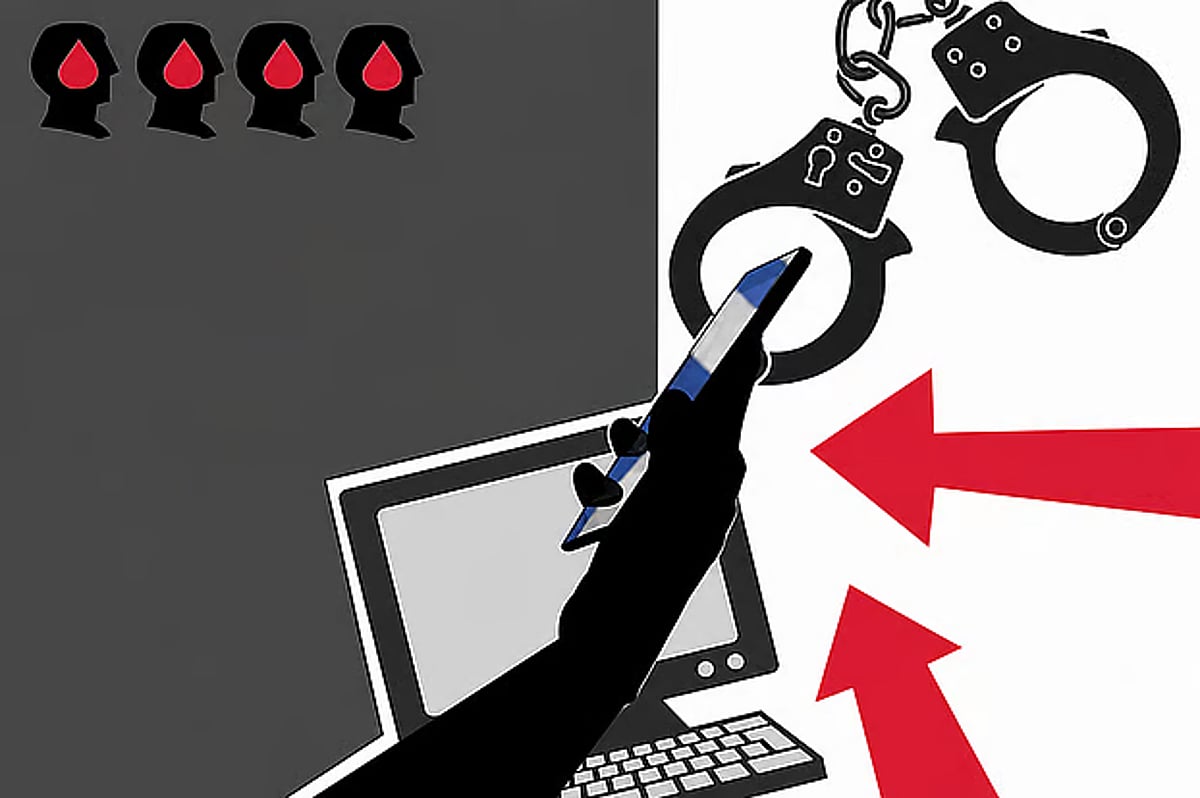
The Bangladesh government is moving toward amending the recently enacted Cyber Security Bill, 2026, amid growing concerns over the proliferation of online disinformation. A senior official from the Ministry of Home Affairs confirmed to Prothom Alo that the administration is actively drafting new provisions to address the spread of rumours and malicious content targeting government officials, political figures, and citizens across various professional sectors. According to the official, the government views these digital threats as a significant issue that undermines the reputation of both the state and its leadership, necessitating a legislative response to curb the spread of misinformation on social media platforms.
However, the internal atmosphere within the government regarding these amendments remains fractured. Sources indicate that while some policymakers argue that stricter regulations are essential to maintain social order and protect the integrity of governance, others are expressing strong reservations. Detractors within the policy circle warn that hastily introduced amendments—particularly those that tighten control over digital speech—could invite widespread public criticism, mirror the repressive tactics of the past, and leave the law vulnerable to systemic abuse. Furthermore, there is significant concern that such restrictive policies could trigger renewed international pressure regarding human rights and democratic standards.
The sensitivity of this legislative move is largely defined by Bangladesh’s tumultuous history with digital censorship. The original Digital Security Act (DSA), introduced in 2018 under the Awami League administration, remains a symbol of state overreach. Despite intense domestic and international opposition, the DSA was enacted and subsequently functioned as a primary tool for suppressing political dissent and silencing voices critical of the government. This legacy colors the current debate, as observers and legal experts remain hyper-vigilant about how new regulations might be interpreted or weaponized by those in power.
The legislative landscape has shifted rapidly since the 2024 mass uprising, which led to the dismantling of the previous government. The interim administration initially repealed the controversial DSA, replacing it with the Cyber Security Ordinance in 2025 as a gesture toward reform. This was followed by the passage of the current Cyber Security Bill on April 30, 2026. Given that the current framework is only three months old, the government’s sudden push to amend it again signals an urgent—and perhaps controversial—need to address digital volatility before it can adequately settle into law.
Critics are already sounding the alarm over the potential for a regression into the era of the Digital Security Act. Miraj Ahmed Chowdhury, managing director of the research organization Digitally Right, suggested that the introduction of new, restrictive provisions will almost certainly reignite public questioning regarding whether the government is repeating the mistakes of its predecessors. He emphasized that the efficacy of such laws is rarely measured by their stated intent to curb “rumours,” but rather by their real-world application, noting that, if passed, these amendments are highly likely to be abused to stifle legitimate discourse.
Beyond internal governance issues, the international repercussions of these amendments appear significant. Chowdhury warned that such a move could lead to a decline in Bangladesh’s position in global online freedom indices, which serve as crucial barometers for the health of a democracy. As the government weighs the necessity of controlling disinformation against the risks of suppressing expression, the proposed changes are poised to become a litmus test for the administration’s stated commitment to democratic integrity and transparent governance in the post-uprising political landscape.


