


The Rise of Health Influencers: A Qualitative Study on Future Healthcare Workers’ Perceptions
The digital age has irrevocably transformed how individuals access health information, with social media platforms emerging as primary sources of knowledge and advice. This trend has prompted numerous healthcare professionals to embrace these platforms, leveraging their reach for public health communication. Particularly during the COVID-19 pandemic, platforms like Instagram, Facebook, Twitter, and YouTube witnessed a surge in both authoritative health information and, unfortunately, misinformation. This has led to the emergence of a new breed of healthcare professional – the "health influencer" – who combines evidence-based guidance with glimpses into their personal lives, creating a sense of connection with their followers. These individuals occupy a unique space, operating both as trusted advisors and media personalities, raising crucial questions about the efficacy and societal impact of their practices. This study delves into the perceptions of future healthcare workers regarding this evolving landscape, exploring their views on the benefits, challenges, and ethical considerations surrounding health information dissemination on social media.
Existing research on social media in healthcare primarily employs quantitative methods, focusing on broad usage patterns and trends. This study contributes a qualitative perspective, drawing upon focus group interviews with students pursuing health-related studies at Norwegian universities. It aims to understand how these future healthcare providers perceive the practices of established health influencers, examining their opinions on the advantages and dilemmas inherent in such roles. By amplifying the voices of these future healthcare professionals, the study offers valuable insights into a field dominated by quantitative data, adding depth and nuance to the ongoing conversation about the intersection of health and social media.
The scholarly discourse around social media and health communication acknowledges the potential of these platforms for disseminating scientific knowledge and fostering public engagement. Social media presents opportunities to enhance health literacy, improve treatment adherence, and empower patients by facilitating direct interaction with healthcare providers. However, it also serves as a breeding ground for health misinformation, emphasizing the need for authoritative voices to counter false or misleading claims. Research suggests that certain strategies, such as the use of video content, personal narratives, humor, and two-way communication, can effectively capture audience attention and engagement on social media. However, many health professionals adopt a one-way communication approach, potentially limiting the interactive potential of these platforms. Striking a balance between simplification for broader understanding and maintaining scientific rigor poses a significant challenge, as does the negotiation of a professional online identity that fosters trust while adhering to ethical standards.
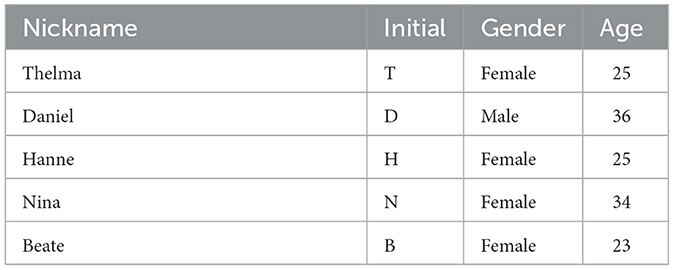
This qualitative study employed focus group interviews as its primary research method. Three focus groups, comprising students from medicine, psychology, and public health nursing programs, were conducted. The qualitative design allows for in-depth exploration of participants’ experiences, attitudes, and reflections, offering nuanced perspectives on how this specific audience segment engages with health information on social media. While not statistically representative of the broader population, the study provides valuable insights into the perceptions of a key demographic – future healthcare professionals – who are likely to shape the future of health communication. The interviews were facilitated by a professional moderator using a structured interview guide based on existing research and relevant theoretical frameworks, ensuring consistency and focus across the sessions.
The analysis of the focus group interviews revealed a predominantly positive view of health influencers among the participants. They appreciated the role these individuals play in raising awareness about health issues, normalizing discussions around often-stigmatized topics, and making health information more accessible. However, they also identified several challenges and potential risks associated with these practices. One key concern was the need to balance simplification for a broad audience with maintaining scientific accuracy. While acknowledging the importance of making complex information understandable, participants cautioned against oversimplification that could misrepresent the nuances of health conditions, particularly within mental health. They emphasized the importance of individualized care and the potential for generalized advice to be ineffective or even detrimental for some individuals. The participants also recognized the tension between building personal connections with followers, crucial for engagement, and maintaining professional boundaries. Concerns were raised about the ethical implications of fostering close relationships with followers without the capacity to provide individualized support and follow-up care.
Another significant finding was the participants’ unanimous lack of desire to become health influencers themselves, despite their overall positive perception of the role. They cited several reasons for this reluctance, including the fear of making mistakes, facing public criticism, and damaging the reputation of their profession. The pressure of feeling responsible for the health of a large follower base without the ability to provide adequate support was also a deterrent. Some participants also expressed concerns about the potential conflict between the personal branding often associated with influencer culture and the professional objectivity expected of healthcare providers. This reluctance highlights a potential disconnect between the perceived benefits of health influencers and the willingness of future healthcare professionals to embrace this role. It underscores the need for further research to understand the factors influencing this decision and to explore strategies for supporting and guiding healthcare professionals interested in engaging in social media health communication.
In conclusion, this study offers valuable insights into the perceptions of future healthcare workers regarding the emerging role of health influencers. While acknowledging the potential benefits of using social media for health communication, participants also identified several challenges and ethical dilemmas that need to be addressed. The tension between simplification and accuracy, the negotiation of personal and professional boundaries, and the responsibility of managing a large follower base are all critical considerations for healthcare professionals engaging in this space. The study’s findings highlight the need for clear guidelines and ethical frameworks to support responsible and effective health communication on social media. Further research is needed to explore the impact of health influencers on public health outcomes, to understand the factors influencing future healthcare professionals’ willingness to engage in this type of communication, and to develop best practices for navigating the complex landscape of social media and healthcare. The insights gained from this study can inform educational initiatives, policy development, and professional guidelines, ensuring that social media is harnessed responsibly and effectively to promote public health.