


Indonesian Government Summons Social Media Giants Over ‘Provocative’ Content Amidst Rising Public Discontent
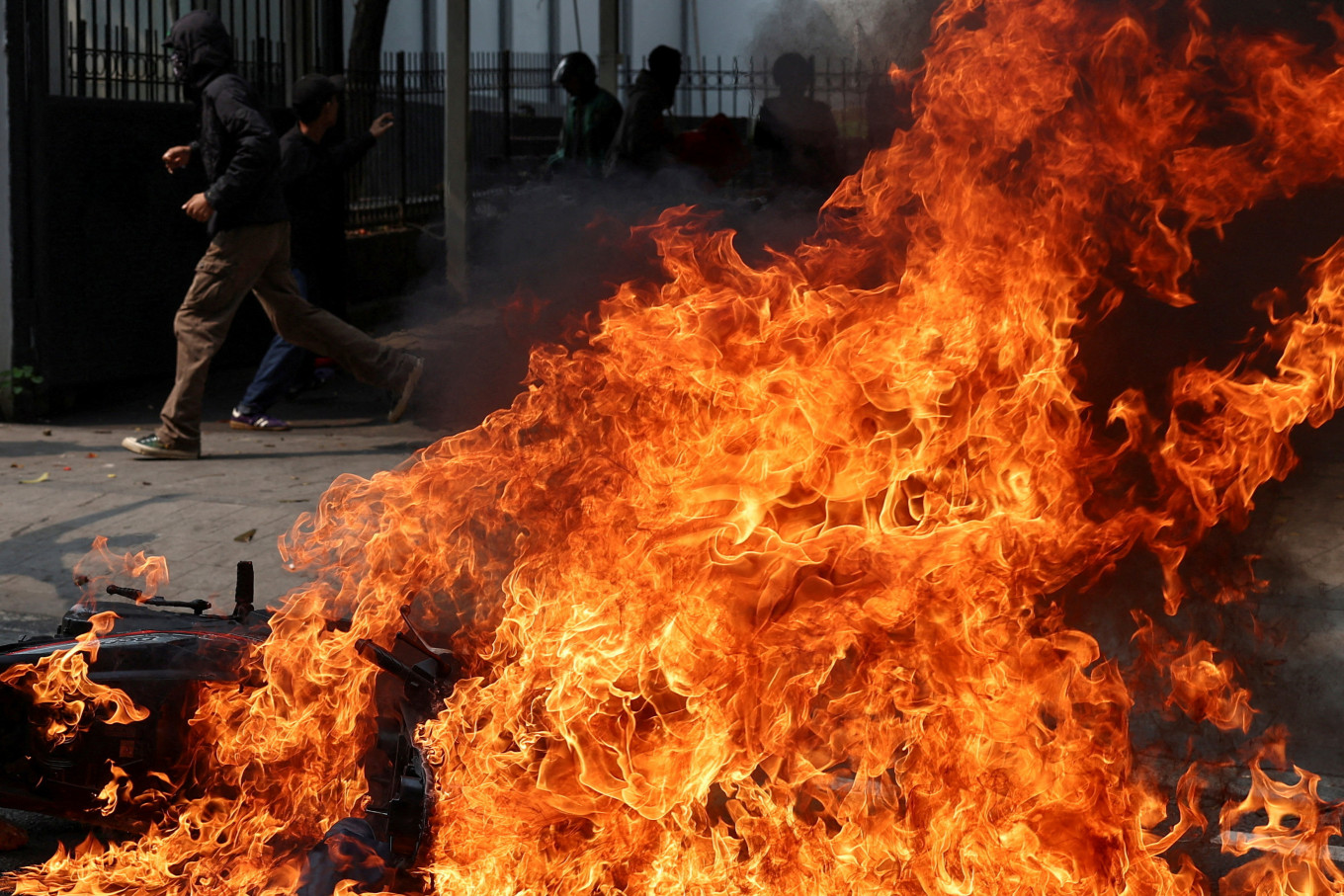
JAKARTA – The Indonesian Ministry of Communications and Digital Technology is taking decisive action to address the spread of what it deems “provocative” content on social media platforms. This move comes in the wake of recent protests at the Senayan legislative complex in Central Jakarta, where citizens voiced their anger over perceived government corruption and what they view as exorbitant salaries for lawmakers. The ministry has summoned representatives from major platforms, including TikTok and Meta (parent company of Facebook and Instagram), for discussions on fostering a “safe digital environment.” The government’s focus is on tackling the growing influence of “buzzers,” a local term for online influencers, and the proliferation of AI-generated misinformation. This initiative underscores the government’s increasing concern over the potential for online platforms to amplify social unrest.
The ministry’s primary concern lies in the potential for manipulated narratives and the spread of misinformation to exacerbate existing social tensions. Deputy Communications Minister Angga Raka Prabowo highlighted the need for social media platforms to implement robust systems capable of identifying and removing inauthentic accounts, often associated with the activity of “buzzers.” These individuals, who may be paid or unpaid, are believed to be instrumental in disseminating provocative content and shaping online discourse. The government’s call for immediate action against such accounts reflects a growing apprehension regarding the potential for manipulated narratives to incite further public discontent.
The timing of this intervention is significant, occurring shortly after public demonstrations against government corruption and perceived financial excesses within the legislative branch. The protests highlight a growing undercurrent of public dissatisfaction and raise questions about the government’s ability to address these concerns effectively. By targeting the spread of “provocative” content online, the government appears to be attempting to control the narrative surrounding these sensitive issues and prevent further escalation of public anger. However, critics argue that such measures could be interpreted as an attempt to stifle legitimate dissent and restrict freedom of expression.
The government’s emphasis on creating a “safe digital environment” raises crucial questions about the balance between regulating online content and upholding fundamental rights. While the stated aim of curbing misinformation and preventing the manipulation of public opinion is laudable, there are concerns that such initiatives could be misused to silence dissenting voices. The ministry’s insistence that it will not curb freedom of expression will be closely scrutinized in the coming weeks and months, as the practical implications of these proposed measures become clearer. The challenge for the government lies in finding a way to address the spread of harmful content without unduly restricting legitimate online discourse.
The upcoming meeting with social media platform representatives will be a key test of the Indonesian government’s approach. The government is urging platforms to take a more “proactive” role in removing fake content and identifying inauthentic accounts. The effectiveness of this approach will depend on the cooperation of these companies and the development of sophisticated tools to identify and remove misleading information. The discussions are likely to focus on the technical challenges of identifying and removing inauthentic accounts, as well as the development of effective mechanisms for reporting and responding to potentially harmful content.
The Indonesian government’s move to engage with social media platforms reflects a global trend of governments grappling with the challenges posed by the rapid spread of information online. As online platforms become increasingly influential in shaping public opinion and mobilizing social movements, governments around the world are seeking ways to regulate online content and mitigate the potential for harm. The Indonesian experience will be closely watched by other countries navigating similar challenges, as they strive to find a balance between protecting their citizens and upholding fundamental rights in the digital age.