


Disinformation Attack Targets Ukraine’s Top Military Commander as Fake Statement by Wife Goes Viral
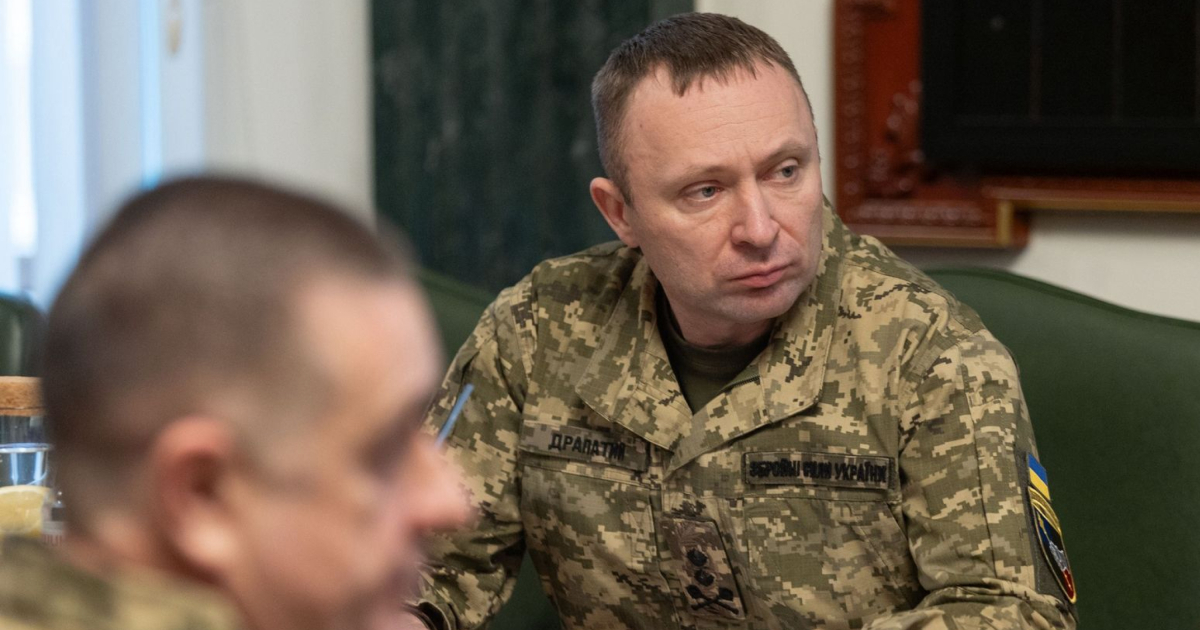
In a coordinated disinformation campaign that underscores the escalating information warfare accompanying Russia’s full-scale invasion, Ukraine’s Commander-in-Chief Mykhailo Drapatyi has been forced to publicly deny the authenticity of a purported statement attributed to his wife, which claimed he was facing intense internal resistance to his military reforms. The fabricated statement, which began circulating across multiple social media platforms in recent days, alleged that Drapatyi was prepared to resign amid what was described as “tough pressure from the former leadership and political circles.” The Ukrainian military chief was compelled to issue a formal rebuttal through the General Staff of the Armed Forces of Ukraine, characterizing the incident as a sophisticated information attack designed to sow discord within Ukraine’s military and political leadership at a critical juncture in the ongoing conflict.
The disinformation campaign first came to public attention through a social media post on Threads, the microblogging platform, where a user operating under the name Anya Baratynska published what she claimed were direct quotes from the commander-in-chief’s wife. The posts painted a dramatic picture of internal military-political tensions, alleging that Drapatyi’s ambitious reform agenda had encountered formidable opposition from entrenched interests within the military establishment. According to the fabricated account, the commander-in-chief’s reform efforts had triggered what was described as “powerful internal resistance,” with the post suggesting that the military leadership was deeply fractured. The timing of the attack raised immediate red flags among Ukrainian information security experts, who noted that the narrative being pushed in the fake statement followed a well-worn disinformation playbook designed to exploit perceptions of political vulnerability and institutional discord within Ukraine’s wartime leadership.
The social media account that first published the disinformation campaign has since come under scrutiny, with investigators noting that the individual behind the account identifies as a tarot reader and psychologist. The exploitation of a connection with the commander’s family also has a dark irony for Drapatyi’s relatives, who have consistently refrained from making public statements about their intimate life or particularly the general’s job. The fact that the campaign would fabricate such an intrusion into the personal lives of the military leadership suggests to analysts that the entire effort was designed to sow discord between military leaders and the public. Subsequent investigations by Ukrainian fact-checkers have traced similar messaging to a network of Facebook groups that have been operating in coordination to amplify these talking points across multiple information platforms simultaneously.
A Coordinated Information Warfare Campaign Continues to Target Ukraine’s Military Leadership
In response to the escalating disinformation campaign, Drapatyi delivered a rebuke of the accusations, framing them as part of a broader “coordinated attack” designed to undermine his leadership and sow discord at a critical time in the conflict. The army chief made his remarks in response to claims that he was considering resigning due to the pressure of a reform agenda that had angered the country’s old military elites. Drapatyi stressed that the accusation was one of many fabricated statements designed to damage his reputation, noting that he has never allowed his family to speak publicly about the military or the war. He also used the moment to appeal to the public for information hygiene, urging citizens to verify their sources before sharing unverified information. In particular, he pleaded for calm as the Ukrainian public continues to face an avalanche of propaganda and disinformation as part of the broader war effort against Russian aggression.
This is not the first time that Drapatyi has been the target of a disinformation campaign aimed at undermining his command. Shortly after his appointment to the top military post, a fake account bearing his name began posting on the social media platform X, formerly known as Twitter. The impersonation was so convincing that it took a formal statement from the Ukrainian General Staff to alert the public that the account was not legitimate and that no one associated with Drapatyi had authorized its creation. The timing of the current disinformation campaign against the army chief is particularly troubling to Ukrainian security analysts who track Russian military intelligence operations. The attacks are designed to distract from the progress being made on the front lines and to demoralize both the Ukrainian public and the military, while also seeking to create an impression that there is a fundamental divide between the current military leadership under Drapatyi and the leadership of the armed forces that preceded him.
The campaign against the commander-in-chief is widely viewed by military and information security experts as part of the ongoing information war being waged by Moscow to undermine Ukrainian governmental legitimacy at its most senior levels, sowing suspicion and discord among the country’s political and military leadership. By fabricating quotes and statements that do not exist, the operators of the disinformation campaign are attempting to manipulate the minds of both Ukrainian citizens and the international community, preying on a general desire for transparency about the war effort. However, their crude attempts to exploit legitimate concerns about the conduct of the war for propaganda purposes have not diminished the Ukrainian public’s resilience, which only increases the threat that these campaigns pose to public dialogue and discourse in the nation. The concerted pushback against disinformation regarding its top military leadership is a vital part of maintaining morale and unity in the country and preventing the deliberate spread of falsehoods from undermining public trust in the command structure of the Armed Forces of Ukraine.