


Moroccan Government Battles Rising Tide of Digital Fraud, Including Fake Cryptocurrency Schemes
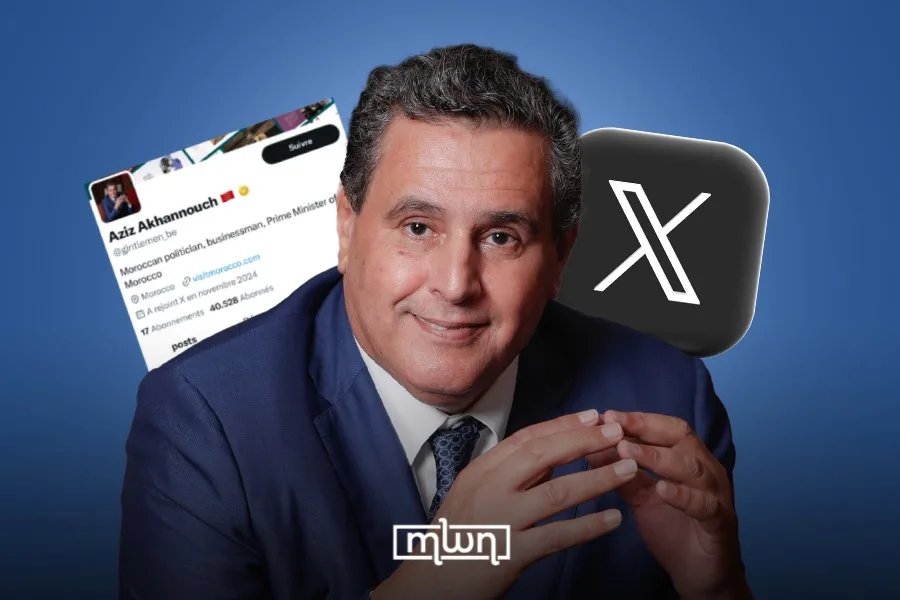
Doha – The Moroccan government is grappling with a surge in sophisticated digital fraud attempts targeting high-profile officials and institutions, including a recent incident involving a fake social media account impersonating Prime Minister Aziz Akhannouch to promote a fictitious cryptocurrency. This incident underscores the growing threat of online scams and the need for increased public vigilance in the face of increasingly sophisticated impersonation tactics. The Prime Minister’s office issued a public warning, urging citizens to rely solely on verified official channels for information and to exercise caution when encountering online investment opportunities, especially those related to cryptocurrencies.
The fraudulent X (formerly Twitter) account, purporting to be the Prime Minister, advertised a non-existent digital currency and related transactions. This attempt to deceive the public comes on the heels of a similar incident involving Morocco’s central bank, Bank Al-Maghrib (BAM). Scammers in that case leveraged artificial intelligence to create fake media content featuring the bank’s governor, promoting a bogus investment platform promising guaranteed returns. Both the Prime Minister’s office and BAM have strongly condemned these fraudulent activities and are taking steps to protect the public and maintain the integrity of their official communications.
These incidents highlight a broader trend of digital impersonation and fraud targeting government figures and institutions in Morocco. The increasing sophistication of these scams, including the use of AI-generated content, poses a significant challenge to both authorities and the public. The Prime Minister’s office has emphasized the importance of verifying information sources and relying only on official channels for credible updates. BAM has also affirmed its commitment to pursuing legal action against those responsible for the fraudulent use of its identity and image.
The rise of these scams coincides with a complex and evolving relationship between Morocco and the world of cryptocurrency. While the Moroccan government implemented a ban on cryptocurrency transactions in 2017 due to concerns about money laundering and illicit activities, cryptocurrency adoption within the country has continued to grow. This has created a somewhat paradoxical situation, with a significant portion of the population engaging with cryptocurrencies despite the official prohibition.
Despite the ban, millions of Moroccans have invested in various digital currencies, highlighting a disconnect between official policy and public interest. Morocco has emerged as a significant player in the global cryptocurrency landscape, ranking high in Bitcoin usage and holding a notable position on international crypto indices. This growing adoption, coupled with the lack of a clear regulatory framework, has created fertile ground for fraudulent activities, as scammers exploit the public’s interest in cryptocurrencies.
The Moroccan government, recognizing the growing influence of cryptocurrencies and the associated risks, is now working towards establishing a comprehensive regulatory framework. Bank Al-Maghrib Governor Abdellatif Jouahri has announced plans to introduce such a framework by the end of 2024. This move is seen as crucial to addressing the challenges posed by the growing cryptocurrency market, including protecting consumers from scams and ensuring the stability of the financial system. The upcoming regulations are expected to provide much-needed clarity and oversight to the cryptocurrency sector in Morocco.
The recent surge in digital fraud, coupled with the growing adoption of cryptocurrencies, underscores the urgent need for effective regulatory measures and increased public awareness. The Moroccan government faces the complex task of balancing the need to protect its citizens from scams with the growing interest in and potential benefits of digital currencies. The upcoming regulatory framework is expected to play a key role in navigating this complex landscape, providing a safer and more secure environment for both individuals and institutions engaging with the evolving world of digital finance.