


Toronto Retiree Falsely Accused in Charlie Kirk Shooting: A Case Study in the Dangers of Online Misinformation
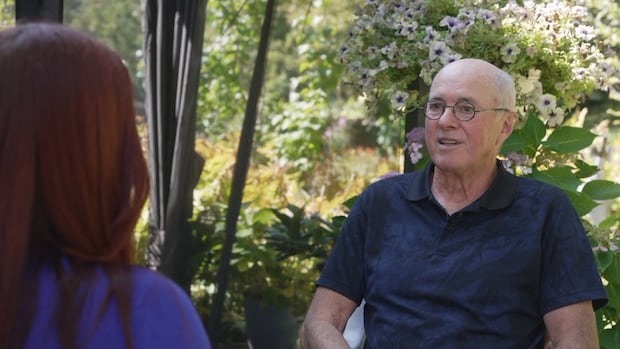
A quiet Wednesday afternoon for 77-year-old Michael Mallinson, a retired banker residing in Toronto, took a jarring turn when a frantic phone call from his daughter shattered his peaceful nap. Unbeknownst to him, a wildfire of misinformation was spreading across social media, falsely implicating him in the shooting of prominent right-wing commentator Charlie Kirk in Orem, Utah. Mallinson’s name and photograph were being circulated online by an account masquerading as a Nevada news channel, linking him to the unfolding events thousands of miles away. The shocking accusation sent Mallinson reeling, forcing him to grapple with the sudden, unwarranted intrusion into his life and the chilling realization of how quickly misinformation can spread in the digital age.
The false narrative originated from a post by an account impersonating Fox Reno 11, a legitimate Nevada news channel owned by Sinclair Broadcasting Group. The post juxtaposed a photo of Mallinson with an image of a suspect being detained by police after Kirk’s shooting. The superficial resemblance between Mallinson and the detained individual – both older men with glasses and similar haircuts – fueled the false narrative. The post further claimed that Mallinson was the shooter and a registered Democrat in Utah, adding fabricated details to the already damaging misinformation. While the post was eventually removed, the damage had been done. The false information had already been amplified across various online platforms, accumulating thousands of views and exposing Mallinson to a barrage of online harassment and accusations.
Mallinson, who asserts he has never even visited Utah, found himself caught in a vortex of digital deceit. He believes the photograph used in the false post was sourced from an old Twitter account he thought he had deleted after Elon Musk’s acquisition of the platform. The incident highlights the enduring presence of online data and the potential for its misuse, even after attempts to remove it. The incident also underscores the vulnerability of individuals to online impersonation and the ease with which false narratives can gain traction, particularly in the charged political climate of today.
The rapid dissemination of the false information and the subsequent targeting of Mallinson demonstrate the alarming speed and reach of online misinformation. Before deactivating his social media accounts, Mallinson received a torrent of messages, ranging from hateful accusations to warnings from concerned individuals. This experience left him feeling violated and vulnerable, forced to defend himself against an accusation he never could have anticipated. The incident forced Mallinson and his wife to embark on a damage control mission, contacting friends and acquaintances to explain the situation and dispel the misinformation.
The incident also underscores the challenges of navigating the murky waters of online information verification. Craig Silverman, co-founder of Indicator, a publication specializing in digital deception, points out that the abundance of online sleuthing tools can ironically contribute to the spread of misinformation. Individuals attempting to uncover information about the suspect may have stumbled upon superficial similarities and, lacking the expertise to critically evaluate the information, inadvertently contributed to spreading the false narrative. Silverman emphasizes the importance of cautious skepticism and the need to refrain from drawing conclusions before all the facts are available.
The false accusation against Michael Mallinson serves as a potent reminder of the dangers of online misinformation and the need for responsible online behavior. The incident highlights the vulnerability of ordinary individuals to becoming unwitting victims of online smear campaigns, and the potential for such campaigns to have profound real-world consequences. The speed with which the false information spread and the difficulty in containing its dissemination underscore the urgent need for greater media literacy and critical thinking skills. The incident also raises important questions about the role of social media platforms in combating misinformation and protecting individuals from online harassment and defamation. As Mallinson’s experience demonstrates, the consequences of unchecked online misinformation can be devastating, impacting not only the individual targeted but also eroding trust in information sources and contributing to a climate of fear and suspicion.