


The Social Media Effect: A Surge in ADHD Diagnoses and Prescriptions
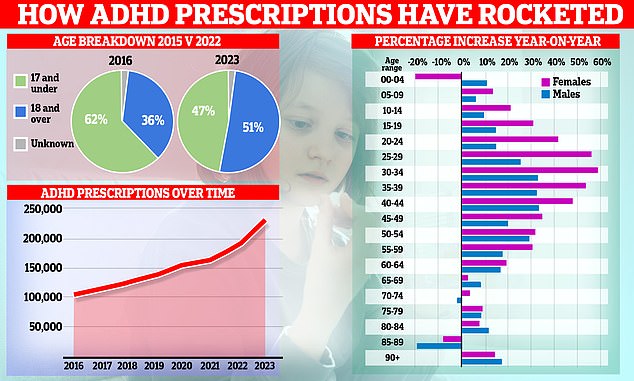
The digital age, with its ever-growing influence on health information and self-diagnosis, has sparked a significant increase in ADHD diagnoses and prescriptions, raising concerns among medical professionals. Research reveals a notable rise in prescriptions for ADHD medication, with an average annual increase of 18% nationally since the pre-pandemic period. This surge, even reaching as high as 51% in some regions, points towards a complex interplay of factors, including increased awareness, social media influence, and the lingering impact of the pandemic.
Social media platforms like TikTok and Instagram have become prominent spaces for sharing personal experiences with ADHD. While this increased visibility helps raise awareness and destigmatize the condition, it also presents a challenge in terms of information accuracy. The self-diagnosis trend fueled by social media can lead individuals to misinterpret everyday experiences as ADHD symptoms, potentially leading to unnecessary anxiety and a rush to seek professional diagnosis.
The study, published in the BMJ Mental Health, underscores the need for caution when interpreting ADHD information online. While social media can be a valuable tool for connecting with others and sharing experiences, the accuracy and reliability of the content can vary drastically. Misinformation can create misconceptions about symptoms, diagnosis, and treatment, potentially leading to self-misdiagnosis and inappropriate self-treatment.
The pandemic’s disruption of daily routines and increased stress levels are also considered contributing factors to the rise in ADHD diagnoses. The shift to online learning and work, coupled with social isolation and heightened anxiety, could have exacerbated existing ADHD symptoms or made them more noticeable, prompting individuals to seek professional help.
The surge in diagnoses is also evident in the changing demographics of ADHD patients. While traditionally viewed as a childhood condition, adults, particularly women, are increasingly seeking ADHD assessments and treatment. This may be due to a combination of factors, such as improved recognition of ADHD in women, greater public awareness, and the pandemic’s impact on mental health.
Experts acknowledge the significant increase in individuals seeking ADHD support and emphasize the importance of accurate diagnosis and appropriate care. While medication can be beneficial in managing symptoms, a holistic assessment by a qualified professional is crucial to rule out other mental health conditions that may mimic ADHD symptoms. This includes conditions such as depression, anxiety, and autism spectrum disorder, which can often co-occur with ADHD or present with overlapping symptoms.
The potential for over-diagnosis remains a concern, highlighting the need for thorough assessments to ensure individuals receive the correct diagnosis and appropriate treatment. Misdiagnosis can lead to unnecessary medication use and delay effective treatment for the underlying condition. It is also important to note that ADHD was only officially recognized as affecting adults in the UK relatively recently, in 2008. Prior to this, it was primarily considered a childhood disorder, potentially leading to underdiagnosis and delayed support for many adults who have lived with ADHD throughout their lives.
The rise in ADHD diagnoses and prescriptions reflects a changing landscape in mental health awareness and diagnosis. While increased awareness through social media can be positive, it is crucial to approach online information with caution and seek guidance from healthcare professionals. Accurate diagnosis, appropriate treatment, and ongoing support are essential for individuals with ADHD to manage their symptoms and achieve their full potential. Furthermore, continued research and education are needed to further refine diagnostic criteria and tailor treatment approaches to meet the diverse needs of individuals with ADHD.
The influence of celebrities sharing their ADHD experiences also contributes to increased awareness and destigmatization. While these stories can inspire others to seek help, they should not be viewed as a substitute for professional medical advice. Each individual’s experience with ADHD is unique, and seeking personalized guidance from a healthcare professional is crucial for accurate diagnosis and effective management.
The ongoing discussion surrounding accurate diagnosis, appropriate treatment, and the potential for over-diagnosis highlights the complexity of ADHD and underscores the need for continued research, education, and refinement of diagnostic criteria. The goal is to ensure that individuals with ADHD receive the appropriate support and treatment tailored to their specific needs, enabling them to thrive in all aspects of their lives.