


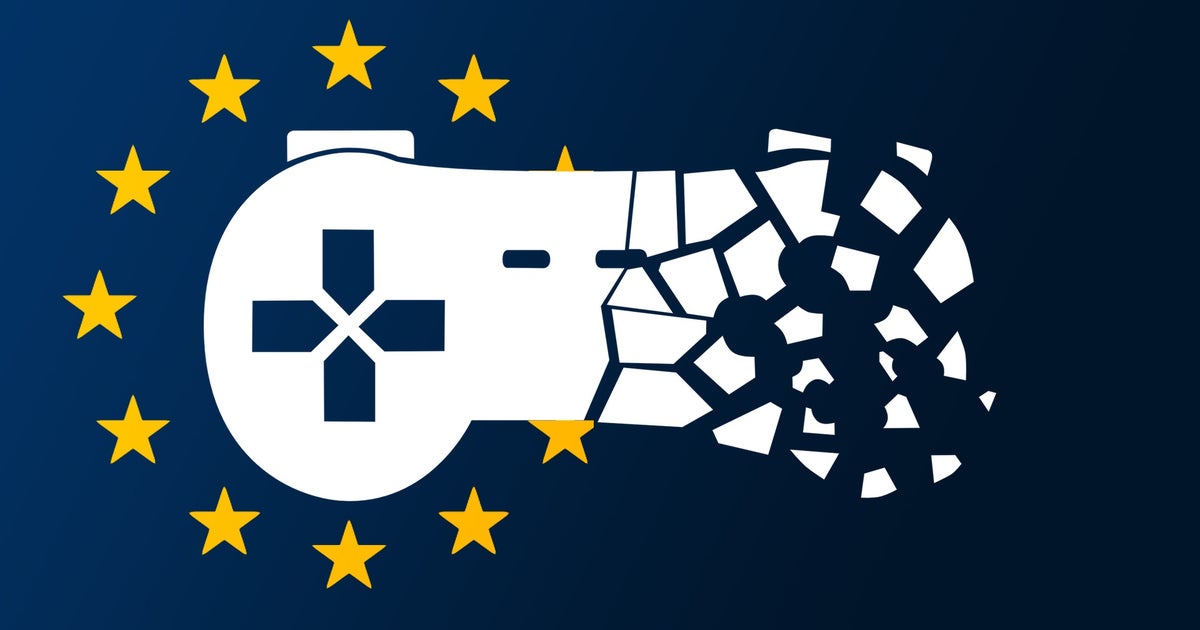
EU Citizens Rally to Preserve Video Game Accessibility: “Stop Destroying Videogames” Campaign Gains Momentum
Brussels – A grassroots movement spearheaded by concerned gamers across Europe is gaining significant traction, aiming to safeguard the long-term accessibility of video games against the threat of premature server shutdowns. Dubbed “Stop Destroying Videogames,” the campaign, inspired by the North American “Stop Killing Games” initiative, seeks to establish legal protections within the European Union, preventing publishers from remotely disabling games without providing viable alternatives for continued play. The campaign recently marked a major milestone, surpassing the required 1.4 million signatures for its European Citizens’ Initiative (ECI), a mechanism designed to empower EU citizens to propose legislation directly to the European Commission.
The ECI, titled “Ensuring the right to repair and reuse video game software,” argues for regulations mandating publishers to offer reasonable means for players to continue accessing and playing their purchased games, even after official server support has ceased. This initiative directly addresses the growing concern within the gaming community regarding the increasing prevalence of games reliant on online connectivity, leaving players vulnerable to losing access to their purchased titles when servers are eventually shut down. The campaign emphasizes the importance of preserving consumer rights and ensuring the longevity of digital purchases, advocating for measures that would allow gamers to continue enjoying their games offline or through community-driven server emulators.
Currently, the collected signatures are undergoing verification by national authorities in each EU member state. Preliminary reports indicate a high validity rate of approximately 97%, suggesting a strong likelihood of the initiative meeting the required threshold for consideration by the European Commission. Should the initiative successfully clear the verification process, it will progress to the legislative phase, requiring a response from both the Commission and the European Parliament. This could involve a public hearing or a full debate session, offering campaign organizers the opportunity to present their case to EU lawmakers and advocate for the proposed regulations. The verification process is expected to conclude within three months, marking a crucial juncture for the future of the campaign.
In anticipation of the upcoming legislative phase, Stop Destroying Videogames is actively preparing its strategy to maximize its impact on EU policymakers. The organization’s primary objective is to ensure the initiative receives due consideration and is not overlooked by legislators. This involves a multi-pronged approach focusing on outreach to Members of Parliament and the Commission, countering potential misinformation campaigns and industry lobbying efforts, and strengthening community structures to provide continued support throughout the legislative process. Acknowledging the sensitivity of the ongoing discussions, the campaign maintains a degree of operational secrecy, recognizing the potential risks of excessive transparency, particularly given previous attempts to undermine the initiative.
While the campaign maintains its forward momentum, some long-time contributors, including Ross Scott, a prominent figurehead of the Stop Killing Games movement, have taken a step back, transitioning to more advisory roles. This strategic shift allows individuals with greater expertise in EU political processes, such as Moritz Katzner, to spearhead the initiative during this crucial phase. This transition reflects the campaign’s evolving needs, recognizing the importance of leveraging specialized knowledge to navigate the complexities of EU legislative procedures and maximize the chances of achieving a favorable outcome.
The success of Stop Destroying Videogames underscores the growing awareness and concern within the gaming community regarding the long-term preservation of video games. As digital distribution becomes increasingly dominant, the issue of server shutdowns and the potential loss of access to purchased games has become increasingly prominent. This citizen-led initiative represents a significant effort to address this pressing issue, advocating for consumer rights and the preservation of gaming heritage. The campaign’s progress holds significant implications for the future of video game ownership and access, potentially shaping the regulatory landscape for the industry within the EU. Its success could set a precedent for similar initiatives in other regions, empowering gamers globally to advocate for their rights and ensure the long-term accessibility of their purchased games. The coming months will be pivotal in determining the ultimate impact of this movement on the gaming industry and the rights of players.