


Uzbekistan Bolsters Fight Against Disinformation with EU-Backed Project
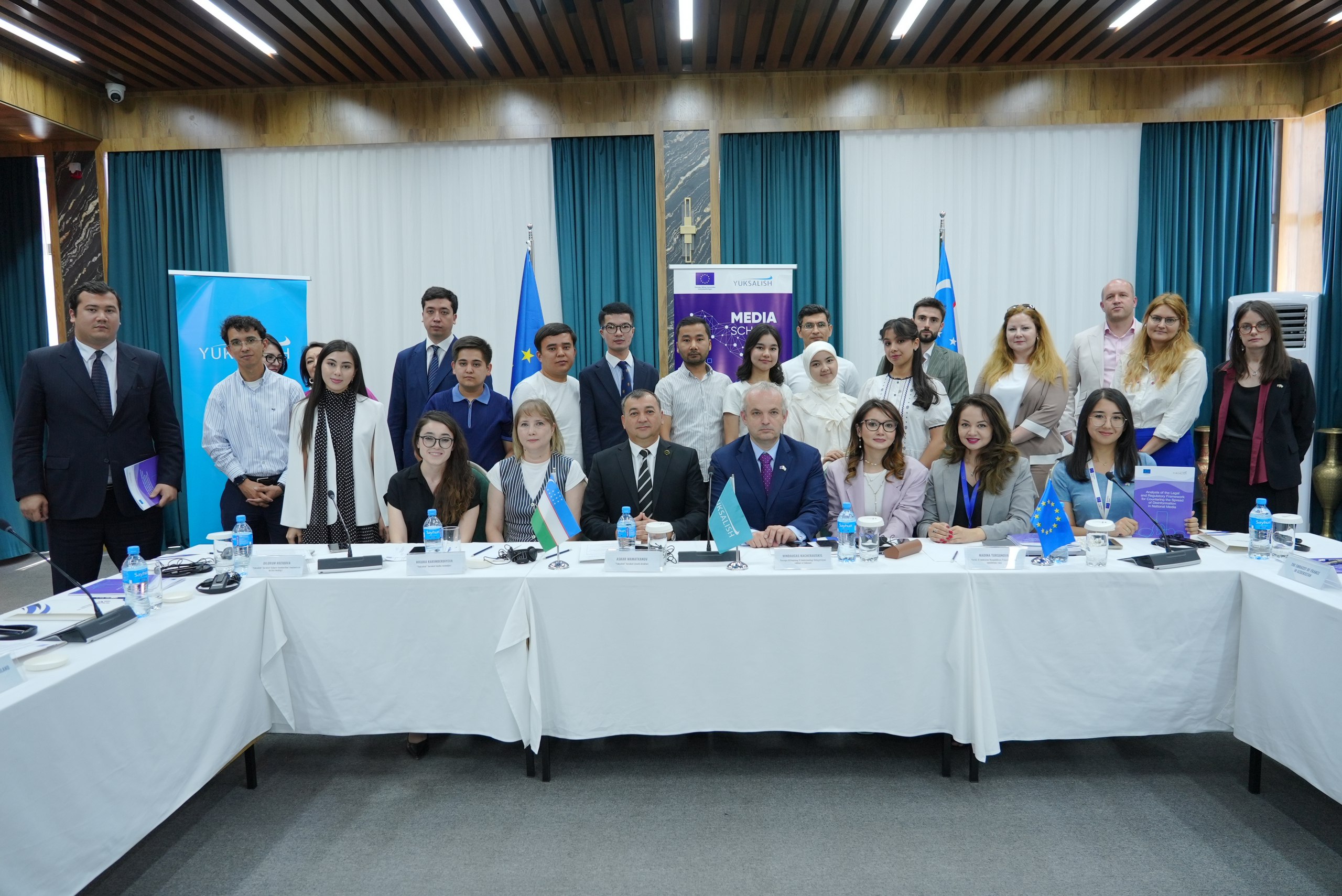
TASHKENT, UZBEKISTAN – In a concerted effort to combat the rising tide of disinformation, Uzbekistan recently concluded a comprehensive media literacy and fact-checking project supported by the European Union. The initiative, titled “Media Education and Fact-Checking: Promoting Critical Thinking and Information Literacy,” was implemented by the “Yuksalish” Movement and culminated in a closing seminar on June 10, 2025. The project aimed to equip media professionals, bloggers, and aspiring journalists with the essential skills to navigate the complex information landscape and effectively counter the spread of false narratives. This collaborative effort underscores the growing recognition of the critical need for media literacy and robust fact-checking mechanisms in preserving a healthy and informed society. The EU’s involvement reflects its commitment to supporting countries globally in their fight against disinformation, while upholding fundamental principles of freedom of expression.
The project unfolded across two key areas: a practical training program for media practitioners and an in-depth analysis of Uzbekistan’s legal framework concerning disinformation. The first component, dubbed “Media School,” provided intensive two-day training sessions to 27 participants, including young journalists, students, bloggers, and established media workers. The training focused on developing critical thinking skills, honing fact-checking techniques, and fostering information literacy. The “Media School” initiative was lauded not only for its educational value but also for its broader contribution to cultivating a culture of media literacy within Uzbek society. By equipping individuals with the tools to identify and debunk fake news, the project aims to contribute to the creation of a more reliable and trustworthy information environment.
The second phase of the project involved a thorough examination of Uzbekistan’s existing legislation related to combating disinformation. The research assessed the current legal framework and practices against international standards, particularly in regard to human rights and freedom of expression. This critical analysis culminated in a final report outlining concrete recommendations for mitigating the risks associated with the proliferation of false information. The report’s proposals focus on enhancing regulatory mechanisms while ensuring they remain consistent with international best practices for protecting fundamental freedoms. This assessment underscores the project’s commitment to a balanced approach – countering disinformation effectively while safeguarding the crucial right to freedom of expression.
The project’s comprehensive approach has been hailed as a significant advancement for Uzbekistan’s media landscape. Askar Mamatkhanov, Executive Director of the “Yuksalish” Movement, emphasized that the initiative not only strengthened the skills of individual media professionals but also provided concrete proposals for bolstering the legal foundations of the fight against disinformation. This dual approach, he noted, contributes significantly to building a more dependable information space within society. The project’s impact extends beyond individual capacity building to fostering a more resilient media ecosystem capable of effectively countering the detrimental effects of disinformation.
The European Union’s support for this project reflects its broader strategic and principled approach to combating disinformation globally. Mindaugas Kacerauskis, Chargé d’Affaires a.i. of the EU Delegation in Uzbekistan, articulated this stance, stating that the EU’s response to disinformation is both strategic and principled, focusing on countering false narratives while simultaneously defending freedom of expression. This nuanced approach acknowledges the complex interplay between combating disinformation and safeguarding fundamental freedoms. It emphasizes the need for strategies that effectively address the spread of misinformation without unduly restricting the essential right to free speech.
The project’s final analytical report and its recommendations will be disseminated to relevant government institutions and made available to the public. This transparency ensures wider access to the project’s findings and promotes broader engagement with its recommendations. The dissemination of the report marks an important step in translating the project’s outcomes into concrete policy changes and practical strategies for countering disinformation within Uzbekistan. By sharing this knowledge widely, the project aims to empower a wider range of stakeholders to contribute to the ongoing effort to create a more informed and resilient information environment. The project’s legacy will be its contribution to a more robust and reliable information landscape in Uzbekistan, achieved through a combination of empowering media professionals, strengthening legal frameworks, and fostering a broader culture of media literacy.