


Cyber Warfare Escalates as Israel and Iran Clash in Digital Battlefield
The recent resurgence of the Israel-Iran conflict has extended far beyond traditional battlegrounds, engulfing cyberspace in a volatile exchange of digital attacks and disinformation campaigns. Both nations have deployed their cyber arsenals, engaging in a high-stakes game of disruption, espionage, and psychological warfare. State-sponsored hackers, alongside a surge of hacktivist activity, are fueling this escalating cyber conflict, raising concerns about regional destabilization and potential global spillover effects.
Israel, renowned for its advanced offensive cyber capabilities, has reportedly launched high-impact strikes targeting critical Iranian financial infrastructure, including the state-owned Bank Sepah. Attributed to the hacking group Predatory Sparrow, widely believed to be a front for Israeli cyber units, the attack disrupted banking services, leaving customers unable to access accounts or conduct transactions. This incident follows a pattern of previous attacks attributed to the group, targeting Iranian steel plants, railways, and gas stations, demonstrating Israel’s willingness to utilize cyber warfare to disrupt physical infrastructure.
Iran’s response, while aggressive, has largely focused on psychological operations and disinformation campaigns. Israeli officials report a wave of phishing emails, DDoS attacks, and the dissemination of fake alert messages targeting civilian systems. These deceptive tactics aimed to sow panic amongst the Israeli population, with false warnings about fuel shortages and imminent bombings adding to the tension. While analysts suggest Iran may be reserving its most potent cyber weapons, the potential for escalation remains a significant concern. Given Iran’s limitations in conventional military response, it is likely that Tehran will continue to leverage cyberattacks as an asymmetric tactic.
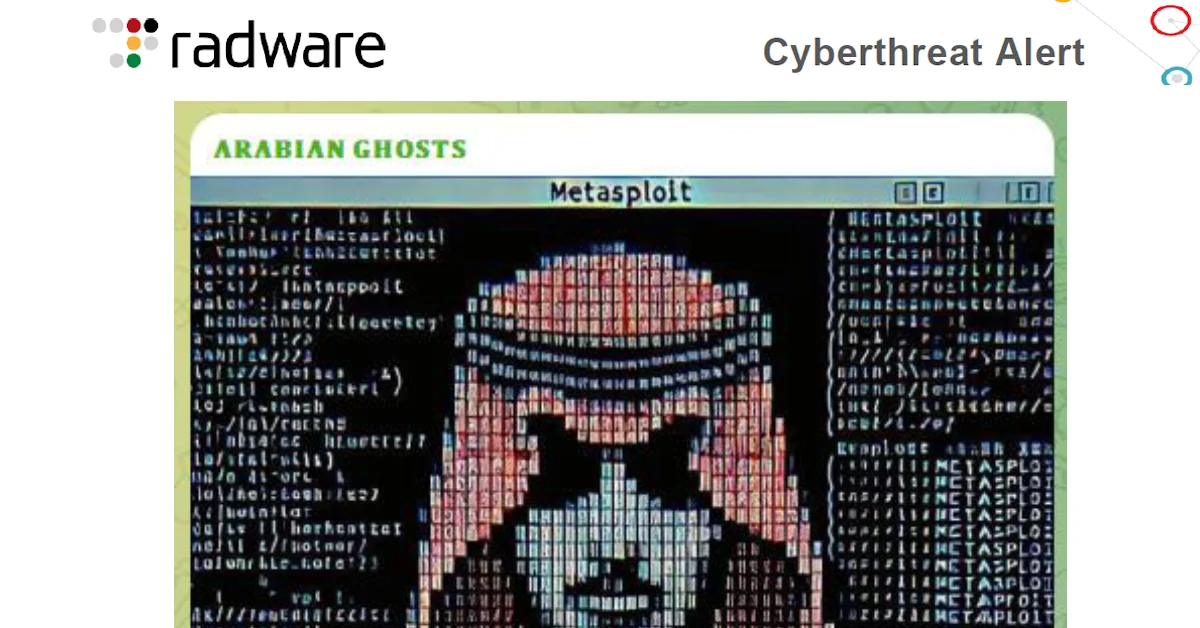
Beyond the actions of state-sponsored actors, the conflict has galvanized a global network of hacktivist groups. While a small contingent supports Israel, the vast majority of hacktivist activity, estimated at over 60 groups, aligns with Iran. These groups, primarily from the Middle East and Asia, have engaged in website defacement, DDoS attacks, and data leaks, seeking to bolster their chosen side through digital disruption and propaganda. The sheer volume of hacktivist involvement highlights the increasingly blurred lines between state-sponsored operations and non-state actors in modern cyber warfare.
The disinformation war raging alongside the cyberattacks adds another layer of complexity to the conflict. Both sides are leveraging fabricated media and fake social media personas to manipulate public opinion and escalate regional tensions. The proliferation of AI-generated content makes it increasingly difficult to discern truth from falsehood, further exacerbating the risk of miscalculation and unintended escalation based on manipulated information. This manipulation of the online narrative poses a significant challenge to international stability and underscores the need for effective counter-disinformation strategies.
The targeting of private security cameras in Israel further illustrates the evolving nature of this cyber conflict. Iranian efforts to exploit these devices for real-time intelligence gathering highlight the vulnerabilities inherent in interconnected systems. This tactic, reminiscent of similar exploits in other global conflicts, underscores the need for robust security measures to protect civilian infrastructure from cyber espionage. The increasing reliance on internet-connected devices necessitates a proactive approach to cybersecurity, ensuring that seemingly innocuous technologies are not weaponized against national security.
The intensification of cyber warfare between Israel and Iran carries significant implications for regional and global stability. The potential for these attacks to spill over and impact organizations beyond the immediate conflict zone is a growing concern. Cybersecurity firms are urging businesses and critical infrastructure providers worldwide to heightened vigilance. The interconnected nature of global networks means that even seemingly isolated incidents can cascade into widespread disruptions. The Israel-Iran conflict serves as a stark reminder of the evolving landscape of modern warfare, where the digital battlefield is as crucial as the physical one, and where narratives and misinformation can be as destructive as bombs and missiles.
The international community must recognize the gravity of this escalating cyber conflict and work towards de-escalation. A failure to address the underlying issues driving this digital confrontation could lead to a dangerous spiral of attacks and retaliations, with potentially devastating consequences for regional and global security. The reliance on cyber warfare as a primary tool of engagement necessitates a new framework for international cooperation and conflict resolution in the digital age. Only through concerted diplomatic efforts can the world hope to contain this volatile situation and prevent further escalation of the cyber battlefield.
The evolving nature of this conflict demonstrates the growing importance of cyber resilience for both nations and organizations worldwide. Investing in robust cybersecurity infrastructure, coupled with effective strategies to counter disinformation campaigns, is crucial to mitigating the risks posed by this evolving form of conflict. The Israel-Iran cyber war serves as a wake-up call for governments and businesses alike to prioritize cybersecurity and develop effective strategies for navigating the increasingly complex landscape of modern warfare. The lines between physical and digital battlefields continue to blur, demanding a holistic approach to security that addresses both traditional and non-traditional threats.
The potential for unintended consequences in this evolving cyber conflict is significant. As both sides continue to develop and deploy increasingly sofistica