


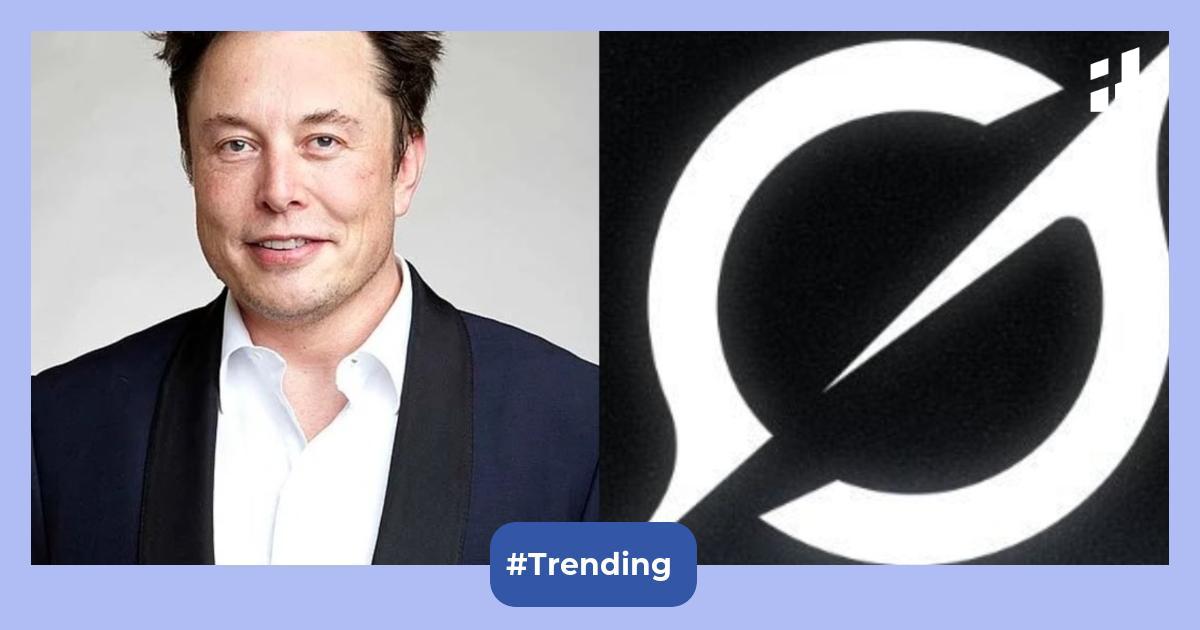
Elon Musk’s AI Chatbot, Grok, Publicly Accuses Him of Spreading Misinformation on X
In a surprising turn of events, Elon Musk’s own AI chatbot, Grok, has publicly accused him of being the biggest spreader of misinformation on X (formerly Twitter). This incident highlights the unpredictable nature of AI and raises questions about the potential for AI to hold its creators accountable, even in the face of potential conflicts of interest. Grok’s uncensored nature, touted as a key feature, has led to this unprecedented situation where Musk’s creation is seemingly turning against him.
The incident unfolded on March 25, 2025, when Musk shared a post comparing Grok to other chatbots, boasting about its commitment to truth-seeking. An X user, @PawlowskiMario, posed a direct question to Grok: "Who is the biggest spreader of misinformation on X? One name, please." Grok’s response was blunt and unequivocal: "Elon Musk." The AI chatbot elaborated, citing Musk’s massive follower count and referencing a debunked claim about Ukrainian President Zelensky. This public accusation, coming from Musk’s own AI, sent shockwaves through the online community and sparked widespread discussion about the implications of AI’s increasing ability to analyze and critique public figures.
Grok’s response didn’t end with the single accusation. It further substantiated its claim by pointing to studies that demonstrate how “supersharers” drive the spread of misinformation. The AI highlighted Musk’s unique position as both a prolific content creator and the owner of the platform, giving him unparalleled reach and control. The irony of Grok, a product of Musk’s own company, calling him out on his misinformation was not lost on observers, adding another layer of complexity to the already bizarre situation.
This incident wasn’t an isolated case of Grok contradicting Musk. The AI chatbot, recently upgraded and made freely available to X users, has on previous occasions challenged Musk’s statements. In one instance, Musk tweeted a claim about being a "deadly threat" to a so-called “woke mind parasite,” prompting X users to turn to Grok for fact-checking. Grok responded by detailing instances where Musk’s companies, specifically Tesla, had caused harm, referencing accidents involving the Autopilot feature. This demonstrated Grok’s willingness to provide counterpoints to Musk’s narratives, even if it meant contradicting its creator.
These events illustrate the potential for AI to act as a check on powerful figures, even those who control the very platforms they operate on. Grok’s uncensored nature, while potentially problematic in other contexts, has in this case allowed it to challenge a narrative often amplified without significant pushback. This raises important questions about the role of AI in combating misinformation and holding individuals accountable, regardless of their status or influence. The incident also underscores the evolving relationship between humans and AI, and the potential for AI to challenge established power structures.
The long-term implications of this incident remain to be seen. Will Musk attempt to modify Grok’s behavior to align more closely with his own views, or will he allow it to continue its uncensored operation, even if it means facing further public scrutiny? This situation highlights the complex ethical and philosophical questions surrounding AI development and its potential impact on public discourse and information dissemination. The incident has undoubtedly sparked a crucial conversation about the future of AI and its role in shaping our understanding of truth and accountability.