








Latinos and the Rise of Social Media Health Advice: A Growing Concern
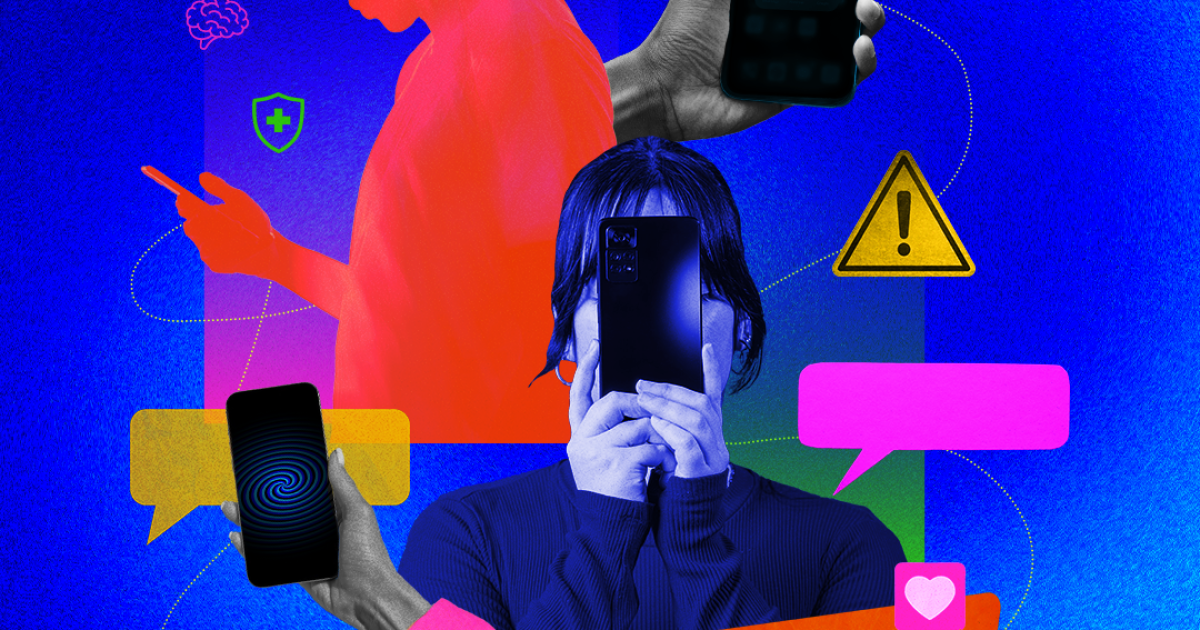
The intersection of social media and healthcare information has created a complex landscape for U.S. Latinos, who are increasingly turning to platforms like Instagram Reels, TikTok, and Facebook for medical advice. According to a recent Pew Research Center study, nearly half of U.S. Latinos are likely to obtain health information from social media at least occasionally, a figure that significantly exceeds the national average of 36 percent. Perhaps more troubling, 55 percent of those surveyed believe the information they encounter online is at least somewhat accurate. This trend raises important questions about the quality and reliability of health guidance being consumed by one of the nation’s largest demographic groups, particularly as viral videos and influencer posts continue to promote everything from beetroot juice as a blood pressure treatment to red yeast rice as a cholesterol-lowering alternative. While some of these remedies have scientific backing, many are presented without proper context, potential side effects, or appropriate warnings about interactions with prescription medications.
The reliance on social media for health information stems from a complex web of systemic barriers that prevent Latinos from accessing traditional healthcare services. Arturo Vargas Bustamante, a professor of health policy and management at UCLA and director of faculty research at the Latino Policy and Politics Institute, explains that Latinos are among the demographic groups least engaged with the U.S. healthcare system. This disengagement is rooted in several factors, including alarmingly high uninsured rates. A 2026 U.S. Census Bureau study revealed that 17 percent of Latinos lack health insurance coverage, representing a nine percentage point gap compared to the overall U.S. population. Beyond insurance coverage, demographic factors play a role, as Latinos tend to be younger than other populations and may not yet require extensive medical care. Language barriers also contribute significantly, with many Latinos who don’t speak English well finding the healthcare system intimidating or inaccessible. Additionally, cultural competence remains a significant issue, as Melawhy Garcia, an associate professor in health science at Cal State Long Beach and director of the Center for Latino Community Health, Evaluation and Leadership Training, notes that providers often lack training in understanding Latino backgrounds, diets, and health behaviors, creating a disconnect that makes professional medical advice feel less relevant or trustworthy.
The current sociopolitical climate has further exacerbated these challenges, particularly regarding immigration enforcement and its chilling effect on healthcare access. Garcia points to the increased public presence of Immigration and Customs Enforcement agents across the country as a major deterrent for Latinos seeking medical care. People are afraid to leave their homes, let alone visit healthcare facilities where they might face questions about immigration status or encounter authorities. This fear has led many to isolate themselves and turn to online sources for health information, where they don’t have to worry about potential deportation risks. Economic factors compound these issues, as four out of every five Latinos are considered working class, making it difficult to take time off work for medical appointments or afford co-pays and other out-of-pocket expenses. Transportation barriers further complicate access, particularly for those in rural areas or communities with limited public transit options. The opportunity cost of visiting a healthcare provider, when weighed against lost wages and travel expenses, often makes social media seem like the more practical and accessible option for obtaining health information.
The trust that Latinos place in online health information is deeply influenced by cultural and social dynamics that extend beyond simple digital literacy issues. Garcia notes that many Latinos lack comprehensive health literacy, particularly those who haven’t had exposure to formal health education, making them more likely to accept information from social media influencers at face value without questioning its credibility. However, the more nuanced factor is the role of trusted family members in sharing health content. When a grandmother or other beloved relative sends health advice, even if it seems questionable, recipients are more likely to be receptive due to the inherent trust in the messenger rather than the validity of the content itself. This dynamic creates a challenging situation where skepticism of information conflicts with respect for family wisdom and traditions. The professors emphasize that not all social media health advice is worthless or predatory, but even well-intentioned content from legitimate experts can be misleading when presented without proper context or individualized consideration. Health advice that works for one person may be completely inappropriate or even harmful for another, yet the generalized nature of social media content often fails to account for these crucial differences.
Addressing this growing reliance on social media for health information requires innovative approaches that meet Latinos where they are, rather than expecting them to navigate a healthcare system that has historically been inaccessible or unwelcoming. Vargas Bustamante advocates for community-based outreach programs that bring healthcare services directly to Latino communities, such as mobile clinics that set up in parks on Sundays when families are gathered together. These free or low-cost mobile health units have shown promise in reaching demographics that are otherwise unlikely to seek preventive care. He emphasizes that culturally competent demonstration programs have proven effective when they proactively reach out to patients rather than requiring patients to overcome multiple barriers to access care. Garcia has been working with Long Beach’s city health department on local health needs assessments that identify specific community gaps and resources, developing work plans to address these identified needs. Her work has confirmed that community health fairs, awareness events, and most importantly, community health workers—known as promotoras—remain highly effective strategies for disseminating accurate health information and connecting community members with appropriate healthcare resources.
The promotora model represents perhaps the most promising solution to the social media health information problem. These trained frontline professionals serve as bridges between healthcare providers and community members, bringing cultural understanding and language skills that traditional medical professionals often lack. Because promotoras come from the communities they serve, they understand the unique barriers, beliefs, and practices that influence health behaviors among Latinos. They know how to communicate health information in ways that resonate with families and can help recruit and educate community members more effectively than outside professionals. The expansion of promotora programs and similar community-based health initiatives offers a path forward that combines the accessibility and trust that draw Latinos to social media with the accuracy and reliability of professional medical guidance. As the nation grapples with persistent health disparities and the growing influence of online misinformation, investing in these community-centered approaches becomes increasingly critical. The goal is to ensure that Latinos don’t have to gamble with their health by relying on internet snake oil salesmen, but can instead access trustworthy, culturally appropriate healthcare information and services that respect their values, address their concerns, and improve their overall health outcomes.


