


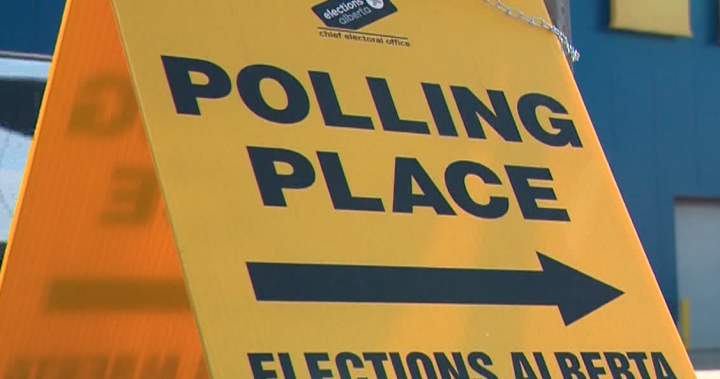
Elections Alberta pushes back against referendum misinformation
Elections Alberta is trying to set the record straight ahead of the Oct. 19 referendum vote, as officials say “several streams” of misinformation about voter registration have been increasing in recent weeks. The province’s chief electoral officer, Gordon McClure, issued a statement reassuring Albertans that the information stored in Voterlink, the province’s online voter registration tool, is safe and secure. He also stressed that, contrary to claims circulating on social media, no voter registrations have been removed from the List of Electors without the consent of the people affected. “If you have voted in previous provincial elections, and have not moved or changed your name, you are likely registered to vote,” McClure said. The statement was a direct response to online posts in recent days in which some Albertans said they believed they had been “de-registered” from the voter roll. Those claims often drew a connection to an unrelated leak of millions of Albertans’ voter information earlier this year. Elections Alberta acknowledged that the misinformation has caused confusion among voters, but it is strongly pushing back against claims that the system has been compromised or that eligible voters have been quietly removed from the electoral rolls. The agency also confirmed that no voter registrations have been removed without the elector’s own consent, and that Albertans should not assume they have been struck from the list simply because they receive an error when trying to access their records online.
At the centre of the misinformation is the Voterlink online tool, which Elections Alberta says is functioning normally. Voterlink is intended to be a convenient way for Albertans to register to vote for the first time in Alberta, check their existing voter registration, and update their personal information if they have moved or changed their name. Elections Alberta said there is no evidence that the tool has been used in any harmful way to modify voter records. In fact, the agency said, no one can remove or delete a voter registration using the platform. The tool is not designed to allow for deletion of electors from the list, and it is not directly connected to the internal List of Electors information system in the way that would permit such changes. As a result, Elections Alberta stated that there is no possibility someone else has removed your registration using Voterlink. The reassurance is meant to target one especially fraught piece of disinformation that has been causing speculation among voters who have received warnings or failed to retrieve their registration details online. Some voters reported seeing screensavers that led them to believe their voter status had been altered, but Elections Alberta says these reports are the result of misunderstanding how the web tool works and what it can and cannot access. The agency also stressed that Voterlink only shows a limited amount of data and does not give direct access to the overall provincial voter database, creating a layer of protection between a public user and the broader electoral system.
The agency has also tried to help voters who are still having trouble using the tool by laying out the most common causes of failed searches. One major issue is how a voter enters their last name. Elections Alberta says the last name must be entered exactly as it appears on the voter’s Alberta Driver’s License or Alberta ID card, and as it is already on file at the electoral agency. The system requires all capital letters for the last name, and if a voter has two surnames and only one of them is entered, the system may not be able to return a result. Punctuation can also be tricky: names with a dash, hyphen, apostrophe, or period, such as Jones-Smith or St. James, can cause problems if the punctuation entered does not match the punctuation in the voter registration record. Elections Alberta suggests trying adding or removing punctuation to see if the search works. Another common issue is the postal code. Voters are being told to use capital letters rather than lowercase, especially since the code will appear exactly as the system sees. Postal code errors can be especially common for people in rural areas or in communities without standard door-to-door mail delivery. Some people may have a separate mailing address, such as a P.O. box, and if that is the address Elections Alberta has on file, the voter will need to enter the postal code for all of that address in order to locate their records. Alternately, if an elector has moved or changed their mailing address recently, Elections Alberta records may not be updated yet, and entering a previous postal code may be what returns the correct match.
For anyone who remains stuck after trying the troubleshooting guides, Elections Alberta encourages them to call 780-427-7191. The toll line is available to help people check their registration, update their information, or confirm that they have not been removed from the recent list. The agency is also expected to be helping voters at in-person locations and through other support channels as the referendum draws closer. The key message is that technical hiccups in the online system should not be mistaken for evidence of voter suppression, removal, or manipulation. Elections Alberta has said that security of System protections. According to officials, the list of electors is maintained in a controlled way, and changes are subject to established processes, including consent of the voter or regarding information supplied by official sources such as a registry or agencies. The combination of an earlier data leak, online rumours, and the high-stakes nature of a referendum has created a fertile environment for false claims, voters and says. But officials are also confident that a majority of registration issues can be resolved by carefully following the instructions posted on the website or by simply contacting the agency directly.
On the broader question of misinformation, Elections Alberta is preparing for conditions to get worse before the vote they said. The organization expected “that misinformation and disinformation campaigns will increase leading up to the referendum” and has already launched several awareness campaigns designed to help Albertans separate fact from fiction. In a statement, Elections Alberta said “These attempts often undermine facts about the use of technology, the voting process, and the integrity and ethics of election staff.” This is a growing concern in governments all over Canada and the world, and Alberta’s provincial election agency is specifically trying to shore up confidence before the October vote. The agency says voters should pay attention only to official communication channels and verify election information on the Elections Alberta website or through authorized election officials. Misinformation, they say, does not just confuse voters—it is also used to make people question the fairness of the process itself. By telling people that their names have been removed, that voter systems have been broken, or that election staff cannot be trusted, campaigns can undermine faith in a process that requires free, fair and accessible participation from all eligible Albertans.
The bottom line from the province’s chief electoral officer is that Alberta’s voter registration system is sound, and that eligible voters should not be afraid to cast a ballot. If you have voted in Alberta before, not moved, and not changed your name, the record is likely still there. If you have moved or changed your name, use the Voterlink tool to update the information, but if the system gives an error, try reviewing your name formatting, punctuation and postal code contacts before becoming alarmed. Albertans who have concerns about their voter registration should contact Elections Alberta directly at 780-427-7191. The agency has made it clear that its priority is ensuring every eligible citizens can vote in the October 19 referendum, and that it will continue to correct misinformation as election day approaches. Residents are encouraged to seek information from official channels, report suspicious claims, and confirm in real-time their own voter status. Although the disinformation around the referendum is expected to grow in the coming weeks, Alberta’s elections officials are remaining firm in their statements. The public is being asked to understand the technology, they are being asked to protect one another from the false narratives. External attacks, regardless of how significant, won’t allow the official agency to meet legal obligations and provide an honest and reliable democratic process to all Alberta voters.