









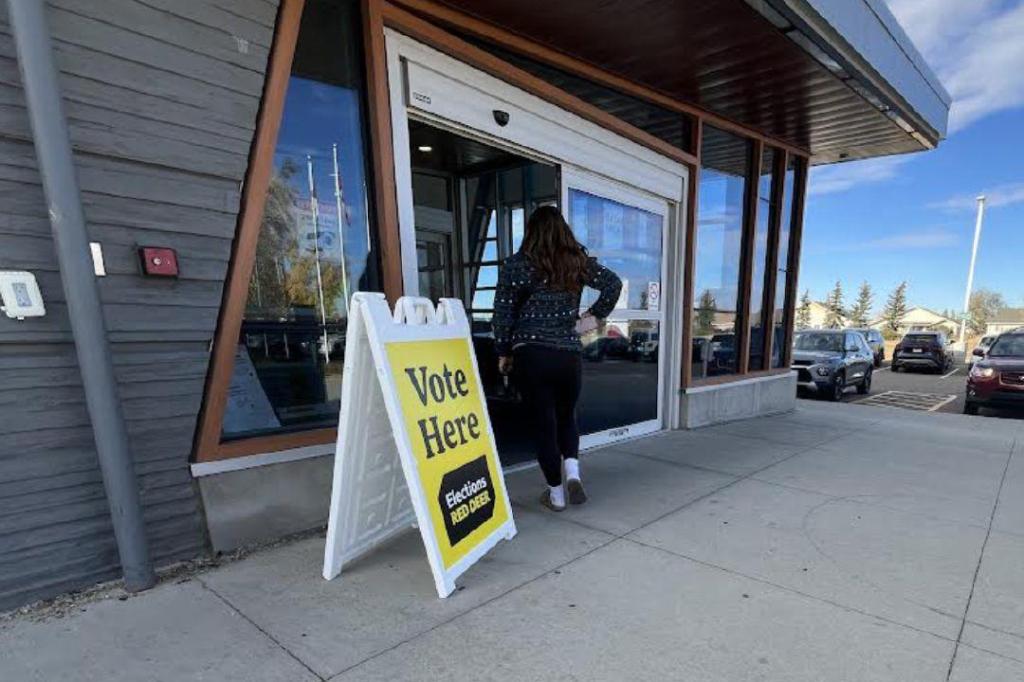
Elections Alberta Issues Warning Over Rising Disinformation Campaigns Ahead of October 19 Referendum
As the province gears up for a landmark 10-question referendum on October 19, Elections Alberta has issued a stark warning to the public regarding a significant surge in social media misinformation. The organization, which serves as the province’s independent, non-partisan election authority, confirmed on Wednesday that it is actively monitoring several streams of false information designed to undermine public confidence in the electoral process. In a press release, Chief Electoral Officer Gordon McClure addressed the latest online rumor directly, which falsely claims that voter registrations are being mass-deleted from the system. This disinformation push marks the most recent effort by bad actors to sow confusion and potentially depress voter turnout ahead of one of the most constitutionally significant votes in the province’s history.
The primary target of the latest misinformation wave is the Voterlink tool, Elections Alberta’s online voter registration portal. False narratives circulating on social media platforms suggest that individuals are having their registrations removed without their consent. McClure moved to debunk these claims unequivocally, reassuring Albertans that their personal information is secure and that no registrations have been purged from the List of Electors without explicit permission. “Elections Alberta would like to reassure Albertans their information in Voterlink is safe and secure, and that contrary to reports, no voter registrations have been removed from the List of Electors without electors’ consent,” McClure said, adding that residents who have voted before without moving or changing their names are likely already registered.
The warning comes amid a broader context of increasing digital manipulation, which McClure notes is intensifying as the referendum date draws closer. The authority explained that these misinformation campaigns are specifically engineered to undermine facts about the use of technology in voting, the integrity of the process, and the ethics of election staff. In more extreme cases, the disinformation is designed to intimidate voters or discourage them from participating altogether. Elections Alberta has been running public awareness campaigns to help citizens identify these threats, but the volume of false content is escalating. The organization emphasizes that the security of the voting infrastructure itself remains intact, even as the information ecosystem surrounding it becomes more hostile.
To clarify how the system actually works, officials detailed the mechanics of Voterlink, stating definitively that it is impossible for a third party to delete a registration through the tool. Voterlink is a convenience portal that allows electors to register for the first time, view their existing registration, or update their address if they have moved. Crucially, the system does not provide direct access to the backend of the List of Electors information system. To verify a registration, users must provide three specific pieces of data—last name, date of birth, and postal code—which the authority notes do not always uniquely identify an individual. This means the system is designed for self-service updates, not for external deletion or manipulation.
Beyond the security reassurances, Elections Alberta is encouraging voters to utilize these tools to streamline their voting experience. Registering in advance ensures that electors receive a personalized “Where to Vote” card and reduces wait times at polling stations. For those who do not register in advance, options remain available; they can register on-site at their polling station, though they will be required to sign a declaration before receiving a ballot. Additionally, with the referendum featuring 10 complex questions, Elections Alberta is heavily promoting the “Vote by Mail” option as a flexible alternative to in-person voting. This method allows electors to review the questions at their leisure, without the pressure of a polling booth, and is available to all eligible Albertans without requiring a specific reason.
McClure specifically highlighted the Vote by Mail option as a boon for those concerned about the length of the ballot. “With 10 questions, some electors may want extra time to review the questions and voting by mail lets them do that on their own schedule,” he said. This option is particularly suited for students studying away from home or individuals who will be outside their electoral division during advance voting days (October 13–17) or on Election Day (October 19). However, the province has set a strict deadline: applications for Vote by Mail must be submitted by October 9, and all completed Special Ballot packages must be received by Elections Alberta via mail before 5:00 p.m. on October 16. The authority noted that Returning Offices will not accept these packages in person, underscoring the need for mail-in voters to act early.
The upcoming referendum itself is historic, posing questions that range from the province’s place within Canada to the structure of the Senate and the role of the monarchy. The first question asks whether Alberta should remain a province of Canada or commence a legal process to hold a binding referendum on separation. Further questions address provincial control over immigration, with options to decrease numbers and prioritize economic migrants, as well as proposals to restrict provincially-funded programs like health care and education to Canadian citizens, permanent residents, and approved individuals. Other social policy questions propose a 12-month residency requirement for non-permanent legal status individuals to qualify for social support, and the introduction of a “reasonable fee” for such residents to access public health care and education systems.
The ballot also includes a question on election integrity, proposing a law that would require proof of citizenship—such as a passport or birth certificate—to vote in provincial elections. Finally, the referendum addresses constitutional reforms regarding federal-provincial relations. Voters will be asked whether the province should collaborate with others to amend the Canadian Constitution to allow provinces to opt out of federal programs in areas of provincial jurisdiction without losing funding, and whether to prioritize provincial laws over federal laws in shared jurisdictions. The results of these 10 questions will carry profound implications for the province’s future, making the integrity of the electoral process—and the battle against disinformation—critically important to the democratic exercise.


