


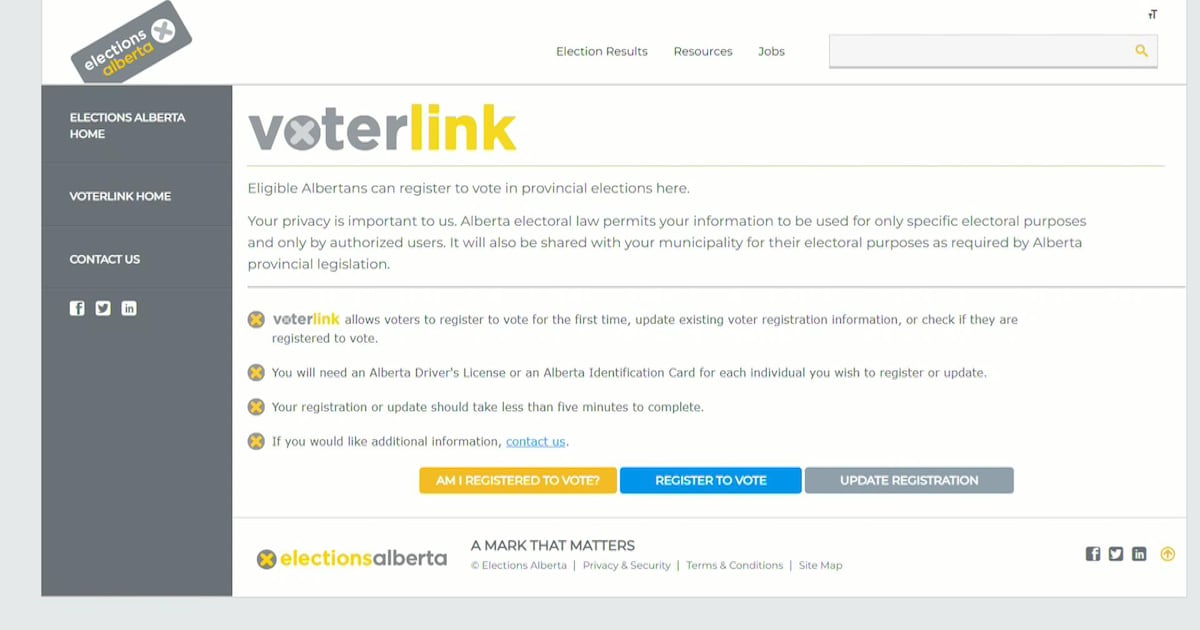
EDMONTON – In a decisive move to safeguard the integrity of the provincial electoral process, Elections Alberta has officially responded to a rising tide of public concern and misinformation regarding its newly implemented online voting tool. The provincial body, responsible for administering elections, has moved to clarify the facts surrounding the digital platform amidst a flurry of unsubstantiated claims circulating on social media. The response comes as the province prepares for a significant municipal election cycle, where a substantial portion of the electorate is expected to utilize the digital interface for the first time.
The controversy began to escalate over the past week, with various online figures and concerned citizens questioning the security protocols of the system, with some going as far as to allege that the platform could be easily manipulated or that votes cast electronically would not be counted. These claims, which have been described by experts as “baseless” and “technically inaccurate,” have prompted Elections Alberta to launch a comprehensive public information campaign to reassure voters. “We understand that new technology can breed skepticism, but we want to be unequivocally clear: our online voting system is secure, auditable, and has undergone rigorous testing by independent cybersecurity firms,” stated a senior communications officer during a press briefing. “The misinformation currently circulating is not only false but poses a direct threat to democratic participation.”
The new online voting tool, which was piloted in select jurisdictions during the last federal election, has been touted as a measure to increase voter turnout, particularly among younger demographics and individuals with disabilities. However, the transition to digital has been met with a polarized reception. Proponents argue that it modernizes the electoral process and makes voting more accessible, while critics warn of the potential for cyber-attacks and the loss of the tangible, paper-based audit trail that many voters find reassuring. The debate has intensified in recent days, with some local political figures calling for a halt to the program until a full public hearing can be conducted, a demand that Elections Alberta has firmly rejected, citing the extensive preparatory work already completed.
To address the specific rumors, Elections Alberta officials have systematically deconstructed the primary falsehoods. First and foremost, they have clarified that the online voting system does not replace the physical ballot box but rather operates as an alternative method. Voters who choose to cast their ballot online will still receive a confirmation receipt, and their vote is encrypted and stored in a segregated digital vault. Furthermore, the body has emphasized that the system is not connected to the public internet in a vulnerable way; it operates on a secure, private network with multiple layers of authentication, including two-factor verification via text message or email. “The claim that a single individual could alter thousands of votes is physically impossible due to the distributed ledger technology we employ,” the official added, “Every transaction is logged, time-stamped, and independently verifiable by scrutineers.”
Despite the assurances, the political climate surrounding the issue remains tense. The province’s opposition parties have seized upon the controversy, demanding an independent audit of the system be released to the public before the election date. In response, Elections Alberta has confirmed that the results of a recent penetration test—a simulated cyber-attack conducted by white-hat hackers—were successful in identifying and patching minor vulnerabilities, which the body argues is proof of the system’s resilience. They have also pledged to release a non-classified summary of the security measures to the public. Nevertheless, the damage of the initial misinformation may already be done; a recent poll suggests that nearly a quarter of eligible voters are now hesitant to use the online tool, even if they previously planned to do so.
Looking forward, Elections Alberta is urging voters to rely solely on official sources for information regarding the voting process. They have launched a dedicated website and hotline to answer questions and have begun a series of town hall meetings across the province to demonstrate the system in person, allowing voters to test a mock ballot. “Democracy relies on trust, and trust relies on transparency,” the communications officer concluded. “We are committed to ensuring that every eligible Albertan feels confident in their ability to cast a ballot, whether they choose to do so digitally or in person. We will not allow baseless fear to undermine the fundamental right to vote.” As the election date approaches, the agency is doubling down on its efforts to ensure that the narrative is driven by verified fact, not by the echo chambers of social media speculation.